
The Aviko production site in Steenderen, Netherlands, where electrification works are underway to help reduce the environmental impact of potato processing and support the company’s net-zero ambitions.
Aviko Launches Electrification Project at Steenderen Factory to Advance Sustainability Goals
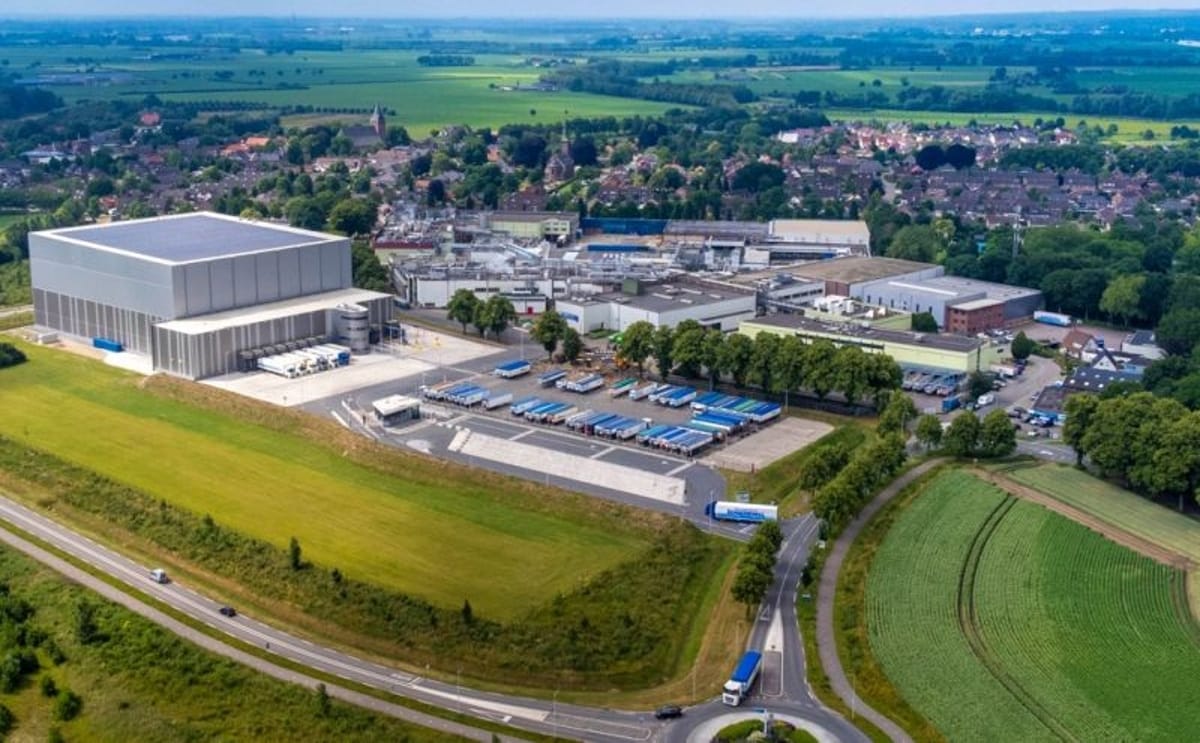
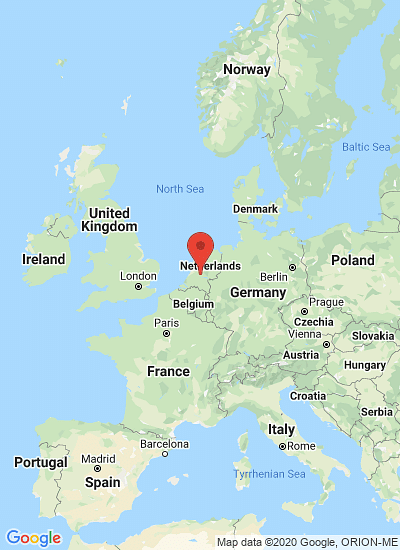
Dutch potato processor Aviko has announced the start of a major electrification project at its production facility in Steenderen, marking a significant step in the company's long-term sustainability strategy and its Unlock 30 roadmap.
After years of planning and preparation, the project has entered the implementation phase in collaboration with Dutch grid operator Liander. The initiative forms part of the tailor-made sustainability agreements between Aviko’s parent company, Royal Cosun, and the Dutch government, aimed at accelerating industrial decarbonization and reducing environmental impact across the Netherlands.
Supporting a Future-Proof Potato Value Chain
According to Aviko, the electrification of the Steenderen factory will help create a more future-proof and sustainable value chain while supporting the company's broader climate objectives. The project is expected to reduce reliance on fossil fuels and contribute to lower greenhouse gas emissions from production operations.
The investment reflects Aviko’s commitment to integrating sustainability into its manufacturing processes while strengthening the resilience and efficiency of its operations for the long term.
Sustainability Report Highlights Ambitious Climate Targets
The development aligns with commitments outlined in Aviko’s Sustainability Report 2025, which highlights the company’s efforts to reduce climate impact across its global operations. Aviko has set science-based climate targets validated by the Science Based Targets initiative (SBTi), including a 45% reduction in Scope 1 and Scope 2 emissions by 2030 compared with its baseline year. The company has also committed to achieving net-zero emissions by 2050.
Renewable Energy and Electrification at the Core
The sustainability report notes that Aviko already sources 100% renewable electricity globally and continues to invest in electrification technologies, energy-efficient production systems, heat recovery solutions, and circular resource management. These initiatives are designed to reduce emissions throughout the potato value chain, from cultivation and processing to distribution.
The company views electrification as a key pillar of its decarbonization strategy, helping to accelerate the transition toward lower-carbon food production.
Team Effort Drives Milestone Forward
Aviko credited employees from both Aviko and Royal Cosun for their extensive work in preparing the Steenderen electrification project, describing the launch as an important milestone in the company's sustainability journey.
As implementation begins, the project represents one of the company’s most significant sustainability investments to date and demonstrates its commitment to reducing the environmental footprint of potato processing.
According to Aviko’s Sustainability Report 2025, the company already operates on 100% renewable electricity across its global operations and continues to invest in electrification, energy efficiency, heat recovery, and circular resource management to reduce its climate impact. These initiatives support Aviko’s target of reducing Scope 1 and 2 greenhouse gas emissions by 45% by 2030 and achieving net-zero emissions by 2050. Further details on the company’s sustainability strategy are available in Aviko’s Sustainability Report 2025, “Reducing Climate Impact”.
Like to receive news like this by email? Join and Subscribe!
Get the latest potato industry news straight to your WhatsApp. Join the PotatoPro WhatsApp Community!
Highlighted Company
Related News

October 01, 2026
McCain Foods Opens First-Ever Signature Cafe in India to Showcase Its Food Portfolio
McCain Foods has opened its first Signature Café in India at Max Mall in Noida, featuring its potato specialities across burgers, loaded fries and other formats, with plans to explore the concept at additional locations.

September 30, 2026
Lamb Weston Appointed Sean M. Krajnik as Vice President of Manufacturing
Lamb Weston has appointed Sean M. Krajnik as Vice President of Manufacturing. He will oversee several U.S. production facilities, bringing more than 25 years of experience in plant operations, operational excellence, and people development.
September 24, 2026
Polysense opens Chicago office to transform food manufacturing across the US and Canada
Polysense has opened its first US office in Chicago to serve food manufacturers across the US and Canada, expanding its AI-driven quality control and process optimization solutions for potato, bakery, and fruit and vegetable processing.