

From Crosses to Cultivars: The Complex Art of Potato Breeding
Developing new potato varieties is a complex 10-15 year process involving crossing (hybridizing diverse potato plants to combine traits like high yield, disease resistance or drought tolerance), sowing seedlings in controlled greenhouses or field plots and selection, where only the top 1% of candidates are chosen based on rigorous criteria such as tuber quality, environmental adaptability and market suitability.
Multiyear field trials conducted in diverse regions like Idahos high altitude fields, Kenyas equatorial zones, Perus Andean slopes or Indias Punjab plains, test performance under stressors like heat, drought, pests or poor soil. For example, trials in Canadas Prince Edward Island evaluate cold tolerance for northern climates while those in Bangladesh flood prone areas assess waterlogging resistance.
Final selections are made by committees of breeders, growers, processors and industry experts, ensuring alignment with global demands. Registration with authorities like the USDA, European Seed Certification Agencies, India’s Central Potato Research Institute or Brazil’s EMBRAPA ensures seed purity and performance before commercial release, enabling varieties to reach markets from smallholder farms in Africa in to industrial processing plants in Europe.
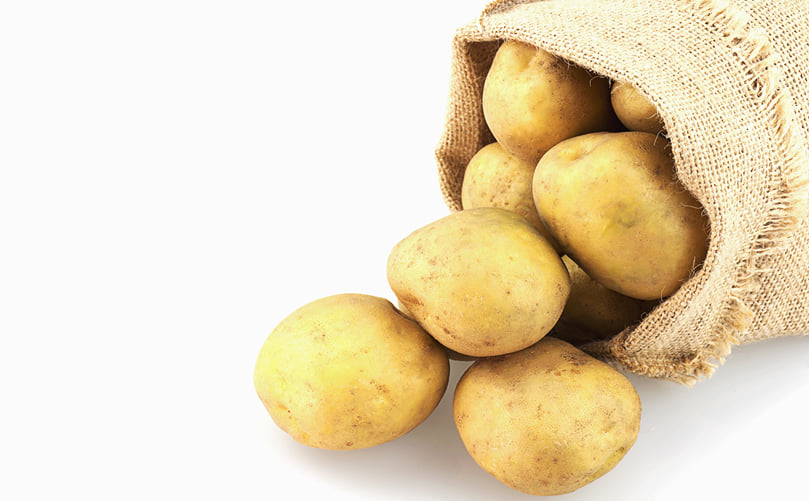
Potato: The Foundation Crop Behind Modern Varieties
What are new potato varieties?
New potato varieties are recently developed cultivars bred for commercial, regional or niche applications, addressing challenges like pest resistance, nutritional enhancement or climate adaptability. These varieties are created through traditional cross breeding, selecting parent plants for complementary traits like yield and flavor or advanced methods like marker assisted selection (MAS) and CRISPR genome editing for precision. In Ukraine recent registrations have boosted yields by 20-30%, enabling farmers to supply local markets and export surplus.
In Rwanda varieties like Cyerecyezo, Gisubizo and Nkunganire have doubled harvests, allowing farmers to plant twice annually and meet urban demand. Kenya’s Malaika and Glen varieties, resistant to late blight, have reduced crop losses by 40% in highland regions, supporting food security for millions. In North America HZA 13-1486 (red-skinned, white fleshed for fresh markets) and Golden Globe (targeted for 2025 African seed exports) cater to organic farming, industrial chipping and export markets. These varieties drive sustainability, reduce chemical inputs and meet diverse consumer preferences worldwide.
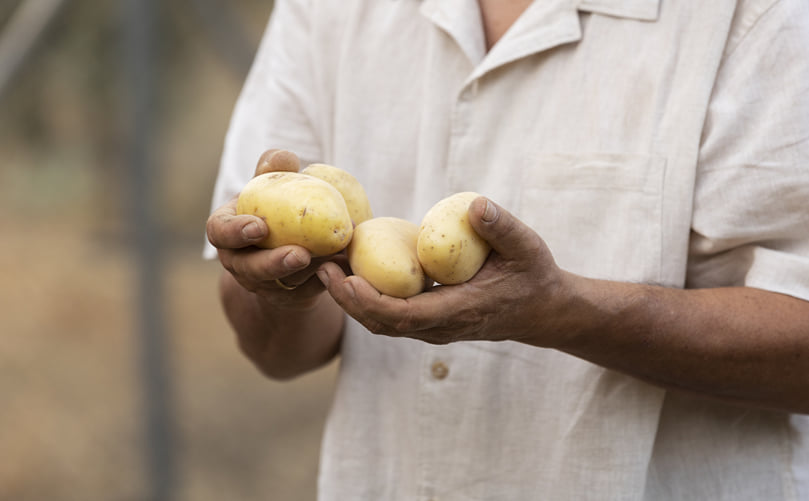
Modern Potato Cultivars: Meeting Climate and Market Challenges
Precision Breeding in Potatoes: Defining Traits for Performance, Profitability and Global Adaptation
Potato breeding has evolved into a scientific, data heavy discipline, demanding years of multi-location trials, phenotyping, molecular analysis and market assessment. Over the course of 5–7 years of testing, breeders generate massive datasets on specific gravity, genetic markers, sensory qualities, storage behavior and agronomic resilience. These evaluations are not conducted in controlled labs alone they intentionally expose experimental varieties to the harsh realities of global agriculture. From the scorching, water scarce deserts of the Middle East to disease intense humid tropics in Southeast Asia, each trial site reveals how a genotype responds to environmental stress, microbial pressure and commercial production systems. Only those lines that deliver stability across such contrasting agro-ecologies move forward in the breeding pipeline.
Core Traits Driving Modern Potato Breeding
Yield and Productivity as Foundational Drivers: Yield remains the cornerstone of potato improvement, not merely as a number on paper but as a determinant of farmer profitability and national food security. Modern elite varieties under optimized management can achieve 40–50 tons per hectare more than double the productivity of older landraces that typically produce 15–20 tons. This leap is the outcome of improved photosynthate partitioning, enhanced canopy efficiency, resilience to intermittent temperature spikes and stronger root systems capable of absorbing nutrients at lower soil moisture levels. In regions where potatoes serve as a staple food, such as highland East Africa, South Asia and parts of China, these higher yielding cultivars directly contribute to rural incomes, caloric availability and market stability.
Tuber Shape, Size and Industrial Compatibility: Potato breeding increasingly aligns with the precise needs of the processing sector, where uniformity is synonymous with efficiency. The shape and dimensional consistency of tubers directly influence peeling losses, slice uniformity, fryer energy use and overall product yield. Varieties bred specifically for chips or fries such as Ivory Crisp or Cal White demonstrate how targeted breeding can reduce factory waste by up to 20%. The economic implications are significant: processing plants can save nearly USD 100 per ton through reductions in trimming and more predictable starch to moisture ratios. This alignment between genetics and industrial design has been a major force in accelerating the adoption of purpose bred cultivars worldwide.
Skin and Flesh Colour as Market Signals: While yield influences the farmer, visual characteristics influence the consumer. Skin tones ranging from bright red to deep yellow or even purple are more than aesthetic choices; they reflect culturally embedded preferences and nutritional opportunities. Purple and blue fleshed cultivars, such as Purple Majesty, contain high concentrations of anthocyanins natural antioxidants linked with improved immunity, cardiovascular protection and anti-inflammatory benefits. In premium health-conscious markets, these coloured potatoes can command 10–15% higher retail prices. Meanwhile, yellow fleshed varieties thrive in European and Latin American markets where carotenoid rich flavors and creamy textures are preferred, demonstrating how breeders tailor varieties to meet diverse culinary traditions.
Eye Depth, Processing Efficiency and Labour Savings: In large scale peeling operations, deep eyes translate directly into lost edible mass and additional labour. Breeders therefore prioritize shallow eyed tubers that require minimal removal during mechanical or manual peeling. Every reduction in eye depth amplifies processor savings, with shallow eyed varieties cutting peeling labour by up to 20% and reducing raw material losses. This trait significantly elevates the commercial value of a cultivar in both fresh and industrial markets where visual quality and processing efficiency are non-negotiable.
Dry Matter, Starch Content and Technological Applications: Dry matter content is a critical predictor of how a potato behaves during frying, baking or mashing. Chip and fry processors prefer tubers with 20–25% dry matter for crisp textures and lower oil absorption, while starch rich varieties cater to industrial demand including Europe’s growing bioethanol sector. Starch extracting industries can produce nearly 1,000 litres of ethanol per hectare from high starch cultivars, linking potato genetics to renewable energy production. These biochemical profiles are underpinned by both traditional selection and gene-based screening, ensuring consistent performance regardless of climate variability.
Dormancy, Storability and Post-Harvest Success: Post-harvest longevity is crucial in regions where cold storage infrastructure remains limited. Varieties with inherently long dormancy (6–8 months at 4°C) reduce sprouting and shrinkage, stabilizing supply chains from farm to retail. Improved storability safeguards price stability in India, Bangladesh and African nations where potatoes must travel long distances under fluctuating temperature and humidity. Through selection for skin maturity, dormancy genes and reduced susceptibility to storage diseases, breeders enable more predictable supply windows for both domestic markets and export chains.
Disease and Pest Resistance: Disease resistance remains one of the most impactful breeding achievements, especially against late blight the pathogen responsible for historical famines and billions in annual losses. Integrating resistance genes (R-genes) from wild relatives allows modern cultivars to reduce disease related losses by nearly 50%. Similar progress has been made against pests like nematodes and viruses such as PVY. These advancements not only improve yield stability but significantly reduce pesticide use, saving farmers around USD 200 per hectare and supporting organic and low input production systems.
Stress Tolerance in a Changing Climate: As climate extremes intensify, breeders are increasingly focused on heat, drought, salinity and cold tolerance. Varieties now thrive in environments previously considered unsuitable for potato cultivation. Heat tolerant lines in the Middle Eastern deserts yield nearly 30 tons per hectare despite scorching temperatures, while cold resistant cultivars support communities in Himalayan and Andean highlands. Through physiological traits like deeper rooting, heat-stable photosynthetic enzymes, osmo protectant accumulation and rapid canopy development, these varieties are engineered for climate resilience and consistent performance.
Time to Maturity and Multi-Season Planting: The maturity duration of a variety determines cropping intensity and food availability. Early maturing cultivars (90 days) allow farmers in tropical nations such as India, Ethiopia and Vietnam to harvest two cycles per year, increasing annual production by as much as 25%. Medium and late maturing types suit temperate regions where longer seasons permit full tuber bulking. By offering diversified maturity windows, breeders give farmers flexibility to integrate potatoes into broader crop rotations, enhancing soil health and income stability.
Taste, Culinary Quality and Consumer Acceptance: Culinary quality determines long-term market adoption. Varieties like Carola, known for their buttery texture and low glycemic index are gaining popularity among health-conscious consumers. The sensory attributes flavour compounds, starch organization, fibre content and aroma are evaluated through formal sensory panels and analytics. These qualities define how well a potato performs in boiling, roasting or frying, shaping its role in household cooking and restaurant menus.
Physical Integrity and Marketable Quality: Bruise resistance, hollow heart tolerance and skin strength are essential attributes that reduce post-harvest losses by 20–25%. Farmers benefit from higher marketable yields, while retailers receive tubers with fewer defects and better shelf performance. Reducing physical damage also lowers the carbon footprint along the supply chain by reducing waste and rejections.
Adaptability Across Global Farming Systems: Modern varieties are designed for global mobility. Whether grown under organic management, high altitude conditions or saline coastal lands, adaptable varieties ensure stable performance across more than 60 countries. Through targeted breeding and genomic selection, breeders optimise root architecture, stress physiology and nutrient use efficiency for extremely diverse agricultural landscapes.
Nutritional Enhancement and Biofortification: Potato breeding is now increasingly aligned with public health priorities. Biofortified varieties enriched with 30–40% more vitamin C, iron or zinc are being deployed in sub-Saharan Africa and South Asia to address micronutrient deficiencies. Given that over 150 million people rely on potatoes as a staple, nutrition enhanced cultivars offer a scalable and culturally acceptable strategy to combat hidden hunger.
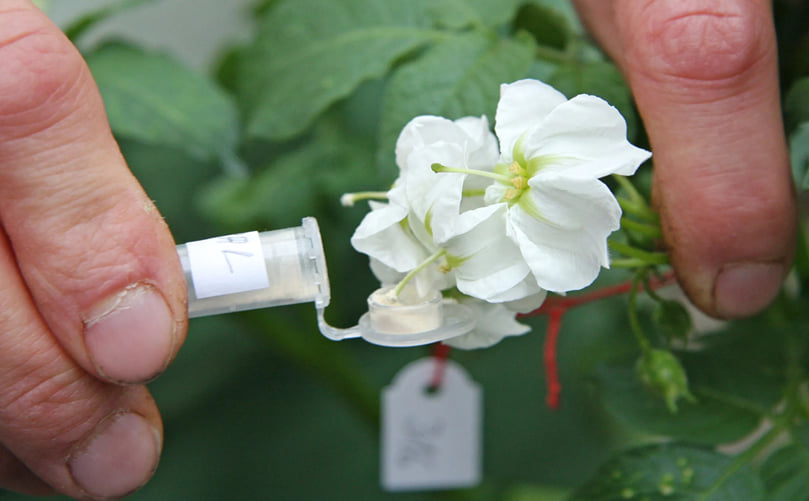
Potato Flowers: Where Breeding and Genetic Diversity Begin
Revolutionizing Potato Breeding: Advanced Technologies Driving Precision and Speed
Advanced techniques have transformed potato breeding, making it faster, more precise and scalable, revolutionizing agricultural productivity and sustainability across diverse global regions:
Marker Assisted Selection (MAS): Genetic markers identify key traits such as disease resistance, high yield or drought tolerance, significantly shortening traditional breeding cycles from 10-15 years to 7-10 years. This method boosts success rates by approximately 25% by targeting specific genes, reducing the number of trial plants needed and saving an estimated USD 200,000 per breeding program through optimized resource use. This efficiency allows breeders to focus on high value traits benefiting farmers in regions like India and Peru where rapid adaptation to climate change is critical.
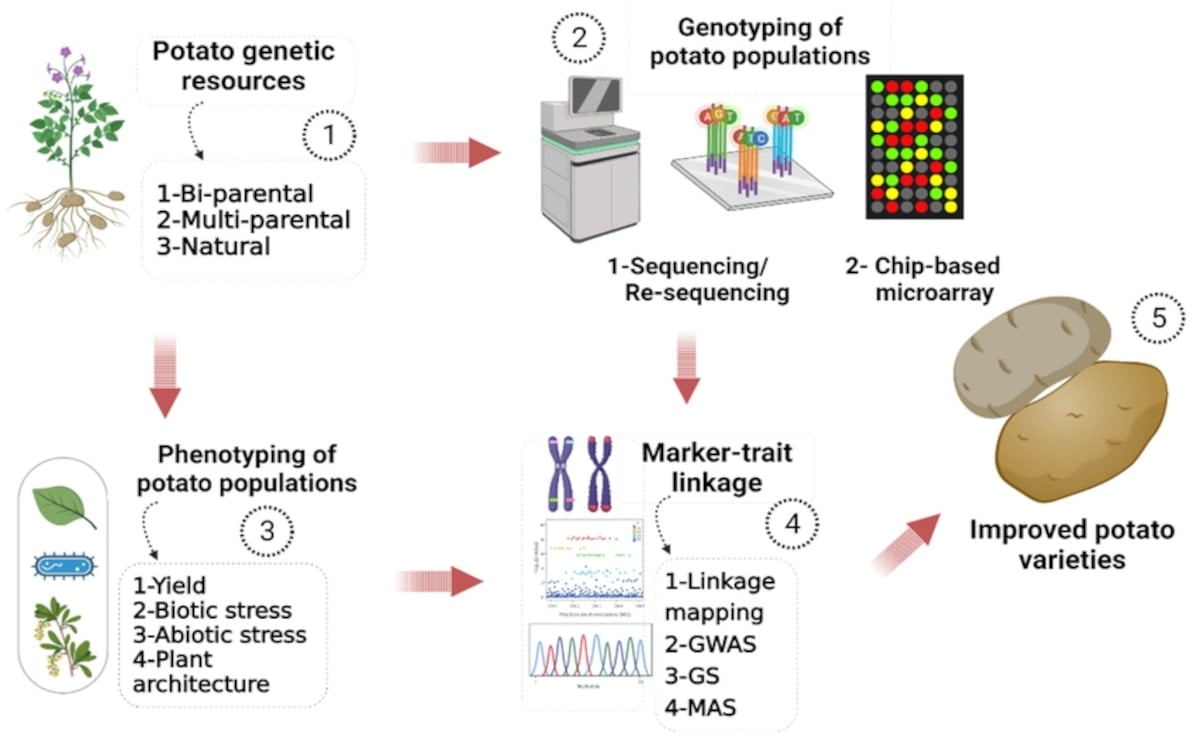
Genome assisted breeding workflow from diverse germplasm to trait-based selection illustrating MAS, phenotyping and genotypic association steps.
CRISPR Genome Editing: This cutting-edge technique enables precise genetic edits to enhance late blight resistance and reduce glycoalkaloids toxic compounds that can affect human health by up to 50%. These improvements enhance crop safety by minimizing health risks and improve processing quality, making potatoes more suitable for global markets including the fast-food industry and organic food sectors. For instance, reduced glycoalkaloids improve fry color and taste, meeting stringent EU safety standards (e.g., below 200 mg/kg).
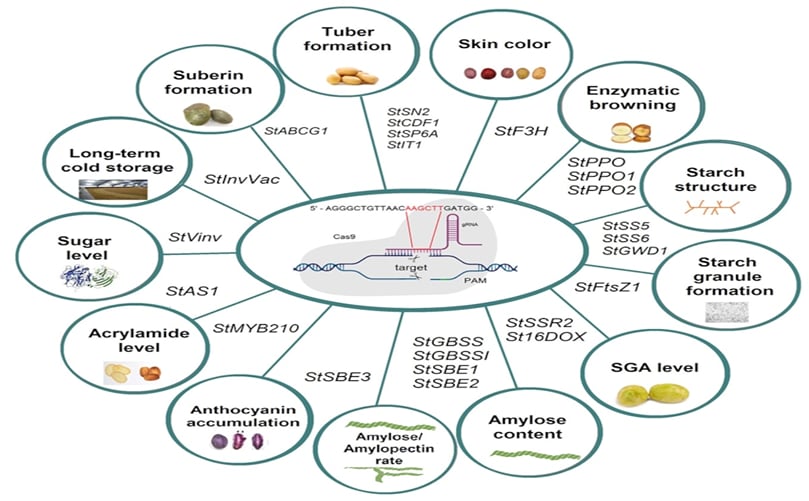
CRISPR-Cas targeted traits in potato: This diagram illustrates how CRISPR editing can enhance tuberization, modify starch and pigment pathways, reduce enzymatic browning, improve cold storability and lower harmful compounds like acrylamide, highlighting the techniques broad impact on potato quality and safety
- Hybrid True Potato Seeds (TPS): Developed by Solynta hybrid True Potato Seeds offer a game changing alternative to traditional tuber propagation. TPS provides disease free planting material, cutting seed costs by 30% for African smallholders by replacing expensive and bulky tubers with lightweight seeds. This innovation enables 10x faster scaling of seed production, reducing logistical challenges and reliance on tuber storage, which is particularly beneficial in remote areas of East Africa where infrastructure is limited (www.TPS.com).
- Wild Relative Integration: Incorporating genes from wild potato species such as Solanum demissum adds valuable traits like frost, drought or salinity tolerance. This approach enables cultivation in marginal lands, such as Bolivia’s highlands where frost is a threat or Australia's arid zones where water scarcity prevails, expanding potato production into previously unsuitable regions and supporting food security for local communities.
- Genomic Selection: Leveraging machine learning, genomic selection predicts trait outcomes with high accuracy, increasing breeding efficiency by 20%. This technique supports the development of complex traits, such as dual resistance to late blight and early blight or enhanced nutritional content like increased vitamin C, catering to both agricultural resilience and consumer health demands in markets worldwide.
Global gene banks, preserving over 4,000 potato accessions, provide a rich reservoir of genetic diversity. Institutions like the International Potato Center play a pivotal role by distributing 500-600 samples annually to breeders worldwide, facilitating the development of resilient varieties tailored to local challenges and global needs.
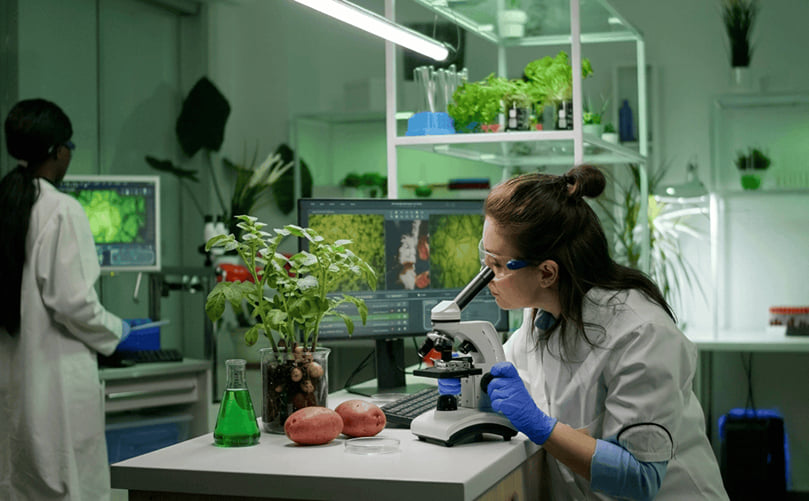
Inside the Lab: Precision Tools Driving Modern Potato Breeding
Building Better Crops: The Importance of New Potato Varieties
Breeding new potato varieties addresses critical agricultural, environmental and economic challenges, replacing input heavy, older varieties like Russet Burbank, which demand 20-25% more pesticides and fertilizers, increasing production costs by approximately USD 150 per hectare. Modern breeding techniques including marker assisted selection and genetic modification, enable the development of potatoes that are more sustainable, resilient and aligned with global food security and market needs.
Disease and Pest Resistance: New varieties are engineered for resistance to devastating diseases like late blight, caused by Phytophthora infestans and viral infections such as potato virus Y. They also combat pests like the Colorado potato beetle, reducing pesticide applications by up to 50%. This translates to annual savings of USD 100-200 per hectare for farmers, lowers chemical runoff into waterways and promotes environmentally sustainable farming practices. For instance, resistant varieties have reduced fungicide use in regions like Sub-Saharan Africa, preserving soil health and biodiversity.
Climate Resilience: As global temperatures rise and water scarcity intensifies, drought and heat tolerant potato varieties are vital. These varieties maintain yields of 25-30 tons per hectare under stress conditions, compared to traditional varieties that may drop by 30-40%. Such resilience supports approximately 12 million smallholder farmers in climate vulnerable regions, including parts of South Asia and Latin America, ensuring stable food production despite erratic rainfall and prolonged heatwaves.
Yield and Quality Improvement: Improved potato varieties enhance food security by increasing yields and reducing post-harvest losses. These varieties can provide an additional 324.5 kcal per adult daily, addressing hunger for an estimated 500 million people in food insecure regions. Additionally, breeding for traits like uniform tuber size and better storage quality reduces post-harvest losses by 15-20%, ensuring more potatoes reach markets and consumers. This is particularly impactful in developing countries where cold storage infrastructure is limited.
Nutritional Enhancement: Biofortified potatoes tackle widespread nutritional deficiencies, particularly in Africa and Asia, where 200 million children suffer from iron deficiency anemia. Varieties enriched with 15-20% more iron and other micronutrients, such as zinc and vitamin C, improve dietary health outcomes. For example, orange-fleshed potatoes rich in beta-carotene help combat vitamin A deficiency, benefiting millions in regions with limited dietary diversity.
Processing and Market Demands: Breeding for specialized traits meets growing consumer and industry demands. Varieties like Purple Majesty and AmaRosa, with vibrant colors and higher antioxidant content, cater to niche markets, commanding 10-20% higher prices than standard varieties. This translates to an additional USD 300 per hectare in farmer profits. Furthermore, varieties optimized for processing such as those with higher dry matter content for fries and chips meet the needs of the global food industry, which processes 40% of the world’s potato crop, enhancing economic returns for producers.
Economic and Environmental Sustainability: By reducing reliance on chemical inputs improving yields and meeting market demands, new potato varieties enhance farmer livelihoods and promote sustainable agriculture. These advancements align with global goals to reduce pesticide use by 50% by 2030 and support zero hunger initiatives, making potato breeding a cornerstone of modern agriculture.
Feeding the Future: The Role of New Potato Varieties
Unlocking Potato Potential: The Power of Genome Mapping and Gene Editing
The 2011 potato genome sequencing, revealing a tetraploid structure with over 39,000 genes, transformed breeding by providing a genetic blueprint. It enables:
- Precise trait identification (e.g., late blight resistance or high starch genes), reducing trial time by 20-25%.
- Faster breeding via MAS, cutting costs by 15% (USD 150,000 per variety) and speeding up releases.
- Predictive modeling to reduce trial and error by 30%, improving efficiency for complex traits.
- Efficient crosses with wild relatives for novel traits like frost or flood tolerance, expanding cultivation to colder or wetter regions like Siberia or Bangladesh.
- CRISPR enhances starch quality for better fries and reduces glycoalkaloids by 50% improving safety for consumers and processors. The International Potato Centers global network shares genomic data across 60+ countries, accelerating variety development for diverse climates.

Decoding the Potato Genome: Advancing Precision Breeding
Transforming Lives and Markets: The Economic and Social Impact of Improved Potato Varieties
New varieties drive transformative benefits across the value chain, influencing farmers, consumers, local economies and global markets in significant ways.
- Farmer Incomes: In Rwanda the release of improved potato varieties has led to an increase in farmer incomes by nearly 20–30% which translates to an additional USD 200–300 per hectare annually. For the countries nearly 500,000 potato farmers this extra income is not only improving day to day farm operations but also enabling longer term investments in areas such as children education, better healthcare and improved housing infrastructure. Over time, this has a compounding effect on rural welfare, helping farmers break cycles of poverty and achieve greater economic stability.
- Food Security: In Kenya the adoption of blight resistant potato varieties has strengthened food availability for more than 1.2 million people living in disease prone areas. These varieties reduce the risk of total crop failure during outbreaks, ensuring a stable and reliable food supply. By minimizing dependency on imports during shortages, they contribute directly to national food security while also helping communities withstand the impact of climate variability and pest pressures. This stability plays a key role in reducing hunger and improving nutrition at the household level.
- Job Creation: The expansion of improved seed systems and processing facilities has created valuable employment opportunities in rural areas. In countries such as India, Peru and Ethiopia, seed production and value addition activities around potatoes have generated between 5,000 and 7,000 jobs in farming communities. These jobs, ranging from field labor to processing and logistics are estimated to contribute nearly USD 5 million annually to local economies. For rural populations, especially women and youth this represents not only a source of income but also a pathway to greater economic participation and empowerment.
- Global Trade: Improved potato varieties are also reshaping international trade flows. For example the U.S. export of varieties like Golden Globe to African countries generates USD 10–12 million annually in seed trade alone. This exchange of planting material strengthens genetic diversity across regions and supports the productivity of more than 1 million smallholder farmers who rely on these seeds. Beyond economic gains such trade fosters international collaboration in agriculture, helping countries build more resilient food systems.
- Consumer Benefits: At the consumer level, improved potato varieties are enhancing diets and meeting the rising demand for health-oriented foods. Biofortified potatoes, enriched with essential nutrients are helping to combat micronutrient deficiencies in vulnerable populations. Meanwhile, specialty varieties, such as purple fleshed potatoes rich in antioxidants have captured a 15–20% share of the health food market in some regions. These varieties provide consumers with both nutritional advantages and greater dietary diversity, aligning with modern preferences for functional and health promoting foods.
Shaping Tomorrow’s Potatoes: Future Innovations in Breeding and Sustainability
Potatoes are a vital global crop, feeding billions and supporting livelihoods. With climate change, population growth and evolving consumer demands, potato breeding is embracing innovative technologies and strategies. Below, we explore key trends shaping the future of potato breeding, including AI, climate resilience, sustainability, seed access and nutritional enhancements.
Artificial Intelligence and Machine Learning in Breeding: Artificial intelligence (AI) and machine learning (ML) are transforming potato breeding by accelerating the development of high performing varieties. These tools analyze genomic, phenotypic and environmental data to predict traits like yield, disease resistance and nutritional content with high precision. AI-driven genomic selection can reduce breeding cycles by 30-35%, shortening development time from over a decade to 7-8 years. ML models enhance trait stacking, enabling varieties with dual resistance to diseases like late blight and potato virus Y, achieving 85-90% accuracy in predictions. For instance, AI has facilitated varieties with 10-15% higher yields and improved resilience. The International Potato Center (CIP) is leveraging AI to tailor varieties for diverse climates with projections suggesting a 20% efficiency gain by 2030. Challenges include maintaining genetic diversity to avoid over-reliance on limited germplasm but integrating AI with tools like CRISPR-Cas9 could further refine trait development.
Climate Adaptive Varieties: Climate change threatens potato production with rising temperatures, floods and soil salinity. Breeding climate adaptive varieties is critical to sustain yields, especially on marginal lands. New cultivars tolerate extreme conditions, such as temperatures up to 35°C or salinity levels of 4-6 dS/m with varieties like CIP’s ‘Unica’ showing 15-20% yield improvements in tropical regions. By 2030, these varieties could boost production by 20-25% across 15 million hectares in regions like sub-Saharan Africa and South Asia. Techniques like marker assisted selection and gene editing are key with genes like DREB1A enhancing drought tolerance. These efforts target food security in vulnerable areas, reducing import dependency and stabilizing local economies. Future breeding will focus on multi stress tolerance to address compounding climate challenges.
Sustainable Practices and Low Input Varieties: Sustainability is central to modern potato breeding with low input varieties reducing environmental impact. These cultivars require 25-30% less water and fertilizer, supporting organic farming in Europe, North America and Australia. Varieties like ‘Sarpo Mira’ resist pests, cutting pesticide use by up to 40%. Nitrogen efficient potatoes minimize runoff, aligning with the EU’s Green Deal goal of halving chemical inputs by 2030. The organic potato market is growing at a 6.5% CAGR, driven by consumer demand for eco-friendly produce. Breeding for early maturity and storage quality further supports organic systems. However, balancing high yields with low inputs remains a challenge, requiring ongoing innovation in resource efficient genetics.
Global Seed Systems and Smallholder Access: Access to certified seed potatoes is a bottleneck for smallholder farmers in Africa and Asia. Initiatives like CGIAR Seed Equal aim for 50% adoption of certified seeds by 2035, reaching 20-25 million farmers and increasing yields by 30-40%. Localized breeding such as CIP ‘Shangi’ variety in Kenya, produces fast maturing (90 days) high yielding (25-30 tons/ha) potatoes suited to local conditions. Technologies like aeroponics reduce seed production costs by 20-25% improving affordability. These systems enhance food security and incomes, particularly in sub-Saharan Africa, where potato demand grows at 5% annually. Scaling these efforts will require investment in local seed infrastructure and farmer training.
Nutritional Innovation: Shifting dietary trends are driving potato breeding toward nutritional enhancements. High protein potatoes with 10-12% increased protein content, target vegan and health food markets with trials aiming for commercial release by 2027. Allergen free varieties reduce glycoalkaloids like solanine, meeting strict safety standards in North America and Europe. Biofortified potatoes such as CIP ‘Pachamama’ with 20% more iron, address micronutrient deficiencies in developing regions. These innovations align with the USD 1 trillion health food market projected for 2027, positioning potatoes as a versatile, nutrient rich option for diverse diets including gluten free and plant-based consumers.
Expanding Horizons: Global Adoption and Impact of Modern Potato Varieties
New potato varieties are reshaping global agricultural systems by significantly improving productivity, resilience and market integration across continents. In countries like Rwanda and Kenya, the adoption of improved cultivars has increased yields by 30–50%, directly enhancing food security and reducing poverty for an estimated 2–3 million smallholder farmers. These gains are not only boosting farm incomes but also stabilizing local food supplies in regions highly vulnerable to climate variability and disease outbreaks.
At the international level, seed trade plays a crucial role in accelerating adoption. Exports from the United States and Canada including varieties such as Golden Globe, account for approximately 10,000–12,000 tons of seed potatoes annually, generating nearly USD 12 million while strengthening agricultural ties with African markets. This exchange enables farmers to access high-quality, disease-free planting material, improving productivity and crop reliability.
Globally, potatoes rank as the third most important food crop and their genetic diversity is safeguarded through gene banks containing over 4,000 distinct accessions. These resources ensure that breeders can continuously develop varieties suited to diverse agro-climatic conditions across more than 100 countries. Looking ahead, the widespread adoption of climate resilient and high yielding varieties could increase global potato production by 15–20% by 2030, helping feed up to 2 billion people. This progress positions potatoes as a cornerstone crop in building sustainable, climate smart food systems worldwide.


