

Chilled French Fries: Freshness, Flavor and the Next Wave in Potato Innovation
Chilled French fries represent a growing niche in the global potato products market, catering to consumers seeking fresh-like, ready to cook options amid busy lifestyles. Unlike frozen fries, which dominate the market due to their long shelf life, chilled varieties are stored at 0–4°C, delivering a "just-cut" freshness with superior texture, achieving 15–20% higher crispiness after cooking due to the absence of ice crystal formation that can degrade potato structure. Global consumption of French fries is substantial with chilled options gaining traction in premium segments such as farm-to-table restaurants, high end grocery stores and home kitchens across Europe, Asia and other regions, offering a preparation time reduction of 20–30% (8–12 minutes compared to 15–20 minutes for frozen fries).
Although most french fries are distributed as frozen product, french fries are available as a chilled (refrigerated) product in specific local markets as well. Premium chilled French fries have a great texture and can be prepared a bit faster than frozen fries. The downside of chilled French fries is the limited shelf life compared to frozen product.
This evolution in potato processing stems from advancements in food science, with innovations like pasteurization techniques enabling shelf lives of up to 60 days at 3°C without compromising flavor. Chilled fries align with consumer demand for clean label products, using minimal additives to preserve the natural qualities of potatoes, such as their inherent flavor and nutrient content. They also support sustainability by requiring less energy for storage compared to freezing, which demands continuous sub-zero temperatures. This article draws from peer-reviewed research, industry reports, patents and market analyses to explore production methods, differences from frozen fries, nutritional benefits, commercial examples, challenges and future trends.
The appeal of chilled fries extends to their versatility across cooking methods, such as oven baking, air frying or even stovetop preparation, allowing consumers to minimize added oils and tailor the cooking process to dietary preferences. Many chilled fries are made from organic or locally sourced potatoes, appealing to consumers who value ethical farming practices, traceability and regional agricultural support. Additionally, chilled fries cater to culinary enthusiasts who prioritize sensory qualities, such as a crisp exterior and fluffy interior, over the convenience of long-term storage.
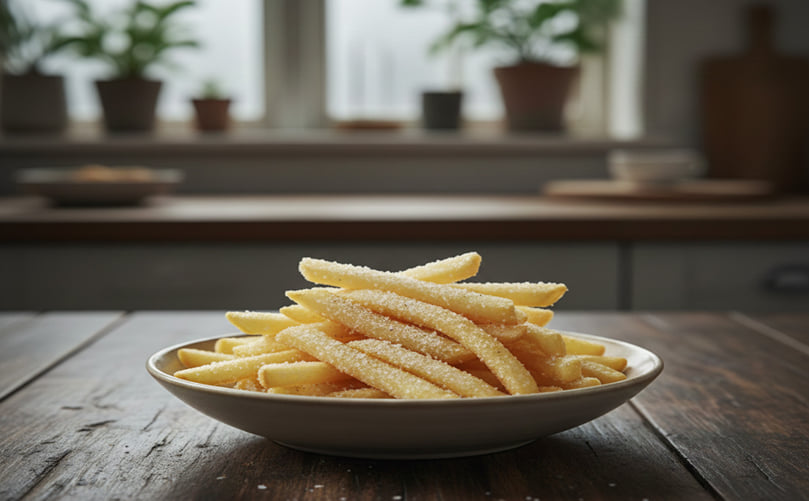
Fresh Chilled French Fries
Best Potato Varieties for High-Quality Chilled French Fries
The quality of chilled French fries begins with selecting the right potato variety, as cultivar characteristics strongly influence texture, fry color, oil absorption and shelf life. Potatoes intended for chilled fries generally require high dry matter content, low reducing sugar levels and uniform tuber size to ensure consistent cooking performance and visual appeal. High dry matter potatoes produce fries with a crisp exterior and fluffy interior, while low reducing sugar content helps prevent excessive browning and undesirable dark coloration during frying.
Several processing cultivars are widely preferred for French fry production. Russet Burbank remains one of the most widely used varieties due to its high starch content, long tuber shape and excellent frying characteristics. Innovator is favored by many processors because of its uniform shape, stable fry color and strong processing performance, particularly under controlled storage conditions. In Europe, Agria is popular for premium fries because of its rich flavor, high dry matter content and excellent texture. Shepody is also commonly used due to its early maturity, long tuber shape and suitability for French fry processing.
For chilled fries, managing sugar accumulation is particularly important because cold storage can trigger cold induced sweetening, a physiological process in which starch converts into reducing sugars, increasing the risk of darker fry color and inconsistent quality during cooking. Processors therefore select varieties with better storage tolerance and carefully manage storage temperatures and conditioning practices to preserve quality throughout the product life cycle.
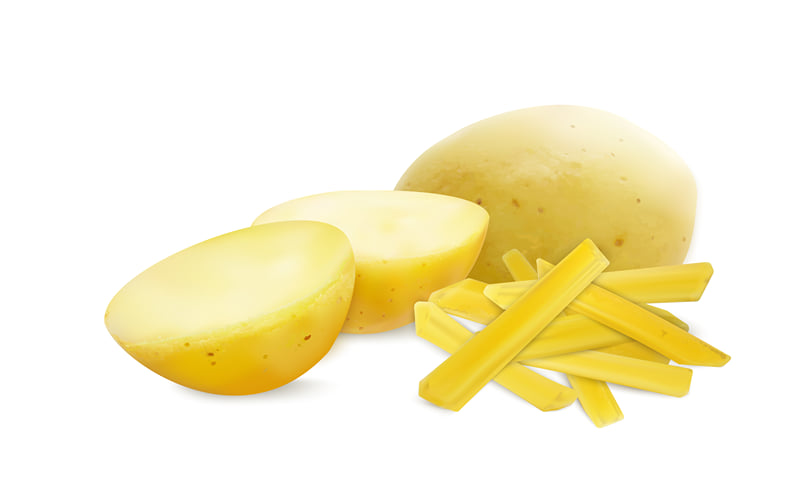
High-Quality Potato Varieties Used for Chilled French Fries Production
Market Context and Consumer Drivers
The chilled processed food sector is experiencing steady global growth driven by demand for convenient, high-quality meal solutions. Approximately 60% of consumers worldwide engage in weekly food delivery, favoring chilled fries for their fresh taste and restaurant-like quality. Major markets in Europe (e.g., Germany, Netherlands), Asia (e.g., India, Japan) and other regions see chilled fries capturing 10–15% of the premium retail market, such as grocery deli sections and foodservice outlets including cafes and upscale fast-casual chains.
Key drivers include the global surge in home cooking, where consumers seek products that replicate restaurant quality experiences without requiring extensive preparation time or culinary expertise. Economic factors, such as fluctuating potato prices due to climate variability, influence production costs but the premium status of chilled fries allows manufacturers to maintain higher profit margins. Demographic trends, particularly among younger consumers like millennials emphasize transparency in ingredient sourcing and a preference for wellness focused foods, boosting demand for chilled fries with minimal processing.
The rise of e-commerce and direct to consumer platforms further accelerates market access, enabling brands to reach consumers in diverse regions with tailored offerings, such as organic or flavored variants.
Chilled vs. Frozen French Fries: Key Differences
Chilled and frozen French fries differ significantly in processing, storage and quality, with chilled varieties prioritizing freshness and sensory appeal over extended shelf life. This section explores these distinctions in detail, focusing on their impact on consumer experience, nutritional outcomes and market applications across global contexts.
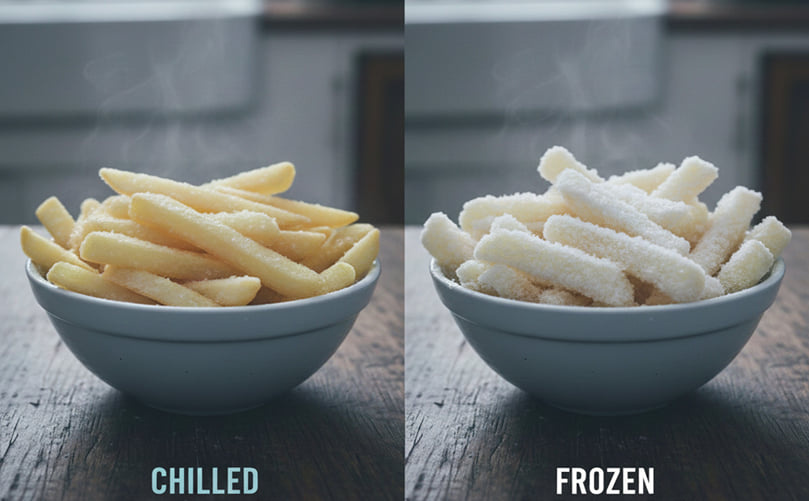
Chilled vs. Frozen French Fries: Key Differences
Frozen fries are typically par-fried at high temperatures (175–190°C) for 90 seconds to set their structure, then blast frozen to -18°C, ensuring a shelf life of 6–12 months. This process, while ideal for mass distribution across continents can lead to texture degradation due to ice crystal formation, which disrupts potato cell walls during freezing and thawing, often resulting in sogginess. Nutrient loss, particularly of water-soluble vitamins like vitamin C can reach 20–30% due to the harsh freezing process. Home preparation of frozen fries may require additional oil to restore crispiness, increasing caloric content and altering flavor profiles.
In contrast, chilled fries undergo gentler processing, often involving blanching at 80–100°C and pasteurization, followed by refrigeration at 0–4°C for a shelf life of 14–28 days, extendable to 60 days with advanced techniques. This minimal processing preserves texture and flavor with sensory panels rating chilled fries at 7.5/9 for mouthfeel compared to 6.8/9 for frozen, reflecting a crisper exterior and fluffier interior. They retain 85–90% of vitamin C, offering a nutritional edge and require shorter cooking times (8–12 minutes) making them convenient for quick meals.
However, chilled fries demand stringent cold chain logistics to prevent spoilage, limiting their distribution to regional markets. Their gentle processing minimizes flavor alterations making them a preferred choice for high end culinary applications, such as gourmet restaurants or artisanal food markets in cities like Paris or Mumbai, where authenticity and quality are paramount.
These differences impact cost structures with chilled fries often commanding 20–30% higher prices due to shorter supply chains and premium positioning. Environmentally, chilled fries reduce waste in foodservice settings by enabling smaller batch preparation aligning with sustainability goals in markets like Europe and Australia. However, the robustness of frozen fries makes them preferable for global exports, such as from major potato-producing countries like China and India to distant markets.
Production Methods for Chilled French Fries
Chilled fries production emphasizes minimal thermal exposure to maintain freshness using high starch potato varieties like Russet Burbank or Agria for optimal texture, ensuring a fluffy interior and crisp exterior. The process is designed to deliver a natural, home cut quality while adhering to stringent safety standards for refrigerated products. Below are the key production steps, incorporating hygiene, precision and preservation techniques to enhance product longevity and consumer appeal.
Washing, Peeling and Cutting: Potatoes are thoroughly washed through fluming to remove dirt and initial microbial loads, ensuring food safety from the start. Steam peeling is employed to gently remove skins, minimizing damage to the potatoes cellular structure, which preserves texture and reduces nutrient loss. The potatoes are then cut into uniform strips (e.g., ⅜-inch or 10mm) using smooth, high precision blades to limit exposure to browning enzymes like polyphenol oxidase, ensuring even cooking, reduced waste and a visually appealing product that stands out on market shelves.
Blanching and Pre-Treatments: Potato strips are blanched in hot water or steam at 80–100°C for 2–20 minutes, typically 14–18 minutes with 0.2% sodium acid pyrophosphate (SAPP) added to maintain a bright, golden color by preventing enzymatic browning. This step inactivates oxidative enzymes that could cause discoloration and off-flavors, significantly extending freshness during refrigerated storage. Following blanching, strips are dipped in solutions of citric acid (0.5–1%) or asparaginase (625–2500 ASNU/L) for 1–5 minutes to reduce acrylamide precursors by 30–100%, minimizing harmful compounds formed during subsequent cooking and enhancing health safety without altering taste.
Optional Par-Frying: For par-fried chilled fries, a light frying step at 140–160°C for 30–60 seconds creates a preliminary crust, enhancing texture upon final cooking without excessive oil absorption. Non-par-fried versions skip this step to maximize freshness, appealing to health-conscious consumers who prefer minimal processing. High oleic oils, such as sunflower or canola are selected for their stability, reducing oxidation during storage and maintaining flavor integrity over the product shelf life.
Pasteurization: To ensure microbial safety, strips undergo pasteurization using impingement ovens (170–290°F for 30–60 seconds), steam tunnels or UV light treatments achieving a 5-log reduction in pathogens like Listeria and Salmonella. This process ensures safety without overcooking, preserving the potatoes natural texture and flavor. The even heat distribution of steam tunnels or UV methods enhances consistency, allowing for extended refrigeration periods without reliance on chemical preservatives a key factor in clean label appeal.
Chilling and Packaging: Post-pasteurization, strips are rapidly chilled to 0–4°C in controlled clean rooms to halt bacterial growth immediately, maintaining quality. Modified atmosphere packaging (MAP) with 80% nitrogen and 10–15% carbon dioxide inhibits spoilage organisms like Pseudomonas, extending shelf life to 28–60 days. Transparent or partially transparent packaging designs allow consumers to inspect the product’s freshness, enhancing trust and appeal at the point of purchase, particularly in premium retail settings across Europe and Asia.
Vacuum assisted processing variants, which lower pressure during blanching or par-frying, further reduce physical stress on potato strips, improving nutrient retention and texture by minimizing cellular damage. This method is increasingly adopted in advanced production facilities to enhance product quality.
Nutritional Profile and Health Benefits
A 117g serving of chilled fries provides approximately 280 kcal, 10g fat (1g saturated), 45g carbohydrates (3.5g fiber), 4g protein and 580mg potassium with high retention of vitamin C (9.7mg) and B6 (0.265mg) due to milder processing. This nutritional profile positions chilled fries as a balanced option for daily diets, offering moderate calories and essential nutrients without excessive fats. The health benefits are significant and multifaceted
The preservation of key vitamins and minerals is a major advantage with chilled processing retaining 85–90% of vitamin C compared to 70–80% in frozen fries, supporting immune function and collagen synthesis, while B6 aids energy metabolism and neurological health. The minimal thermal exposure during production ensures higher bioavailability of these nutrients making chilled fries a practical choice for health-conscious consumers.
Acrylamide, a potential carcinogen formed during high heat cooking is reduced by 40–100% through enzyme pre-treatments like asparaginase, aligning with global health guidelines and minimizing long-term health risks while preserving the natural potato flavor that consumers value. Digestive health is enhanced by a 15–20% higher resistant starch content, which promotes beneficial gut bacteria, improves blood sugar regulation and increases fiber for better digestion and prolonged satiety, potentially reducing inflammation and supporting metabolic health.
For cardiovascular health, high potassium levels help regulate blood pressure, while fiber aids in weight management by promoting fullness and the low saturated fat content aligns with heart healthy dietary recommendations making chilled fries suitable for wellness focused diets globally.
Commercial Examples and Innovations
Pineland Farms Potato Company: Produces chilled fries with a 14–21 days shelf life, available in premium retail markets. The company emphasizes locally sourced potatoes, enhancing freshness and sustainability by reducing transport distances and offers organic variants to appeal to eco-conscious consumers seeking clean label products.
Agrarfrost: A leading European brand, particularly strong in Germany, offering chilled organic fries with a focus on sustainable farming practices, such as reduced pesticide use and soil conservation. Agrarfrost provides diverse cuts (e.g., shoestring, wedges) and herb infused flavors to cater to varied consumer preferences, strengthening its market presence.
Goodrich Cereals: Specializes in flavor infused chilled fries for Asian markets, incorporating local spices like curry or chili to align with regional tastes. The brand partners with retailers to expand ready to cook options in emerging markets, enhancing accessibility through innovative distribution channels.
Innovations in chilled fries focus on extending shelf life and enhancing consumer appeal. Packaging advancements include eco-friendly modified atmosphere packaging that reduces waste while maintaining quality, often featuring recyclable materials and smart labels with QR codes for traceability and recipe suggestions. Flavor innovations involve infusing fries with herbs, spices or low sodium seasonings to differentiate products and target health-conscious demographics, such as those seeking reduced salt intake. Market expansion efforts include partnerships with global retailers and e-commerce platforms, enabling direct to consumer sales and co-branded products, particularly in urban centers across Europe, Asia and Australia, where demand for premium convenient foods is rising.
Storage and Cold Chain Management for Chilled French Fries
Cold chain management is one of the most critical factors determining the quality, safety and shelf life of chilled French fries. Unlike frozen fries, which remain stable under sub-zero temperatures, chilled fries depend on continuous refrigeration to maintain freshness, control microbial growth and preserve texture and flavor. Most chilled fries are typically stored at 2–5°C, where refrigeration slows spoilage and maintains product quality without freezing the potato tissue.
Temperature stability throughout the supply chain is essential because even brief periods of temperature fluctuation can accelerate microbial growth, discoloration, off-flavor development and texture deterioration. During transportation, refrigerated vehicles maintain controlled temperatures, while retailers store chilled fries in refrigerated display cabinets to preserve product integrity until purchase.
Humidity management also plays an important role in maintaining product quality. Excess moisture may encourage microbial growth and package condensation, whereas excessively dry conditions can lead to dehydration, shrinkage and surface hardening. To address these challenges, many processors use modified atmosphere packaging (MAP) and humidity-controlled storage systems to improve product stability and consistency.
Because chilled fries have a relatively short shelf life compared to frozen products, efficient logistics and rapid inventory turnover are essential. Regional sourcing, shorter distribution routes and tightly managed cold chains are often preferred to reduce transit time and preserve freshness. As a result, chilled fries are particularly well suited to local, premium and convenience oriented food markets.
Advanced Packaging Technologies for Chilled French Fries
Packaging plays a critical role in extending shelf life and maintaining the quality, freshness and safety of chilled French fries. Because chilled products are more susceptible to spoilage than frozen alternatives, advanced packaging systems are used to regulate oxygen levels, suppress microbial growth, control moisture balance and preserve texture during refrigerated storage.
Modified atmosphere packaging (MAP) is among the most widely adopted technologies for chilled French fries. In this system, the internal atmosphere of the package is modified by reducing oxygen levels and introducing gases such as carbon dioxide and nitrogen. Lower oxygen concentrations help slow microbial growth and reduce oxidative deterioration, while carbon dioxide contributes to spoilage control. Combined with refrigerated storage, MAP can significantly extend shelf life and maintain product freshness, color and texture.
High barrier packaging films are also widely used to protect chilled fries by limiting gas exchange, moisture loss and external contamination. These films help maintain product consistency throughout storage and transportation, particularly for fresh cut or partially processed fries. In some premium or foodservice applications, vacuum sealed packaging may be used for specific chilled potato products, although it is generally less common than MAP due to texture and handling considerations.
Emerging innovations in packaging include intelligent and smart packaging systems equipped with freshness indicators, time temperature sensors and QR-code traceability to improve supply chain transparency and product monitoring. At the same time, processors are increasingly adopting recyclable and biodegradable packaging materials to address growing consumer demand for sustainability and reduced plastic waste. As consumer expectations continue to shift toward freshness, transparency and environmental responsibility, packaging technology is becoming an increasingly important competitive factor in the chilled potato products market.
Food Safety and Quality Assurance in Chilled French Fries
Food safety is particularly important for chilled French fries because refrigerated products remain more vulnerable to microbial growth than frozen alternatives. Although low temperatures slow microbial activity, refrigeration does not completely eliminate spoilage or food safety risks making strict hygiene practices, sanitation and temperature control essential throughout production, storage and distribution.
Potential microbiological risks include spoilage organisms as well as foodborne pathogens such as Listeriosis causing Listeria monocytogenes, which can survive and grow under refrigerated conditions if sanitation systems are inadequate. Other contamination risks may arise from poor handling practices, cross contamination or breaks in the cold chain. To minimize these risks, manufacturers implement rigorous sanitation procedures, controlled processing conditions, blanching or partial thermal treatments and validated shelf-life protocols.
Hazard Analysis and Critical Control Point (HACCP) systems are widely used to identify, monitor and control food safety risks across key processing stages, including washing, peeling, cutting, blanching, chilling, packaging and storage. Continuous temperature monitoring during transportation, warehousing and retail display is equally important to ensure chilled fries remain within safe refrigeration ranges and maintain product quality.
Many processors also implement microbiological testing programs, environmental monitoring and traceability systems to strengthen quality assurance and comply with food safety regulations. International guidance from organizations such as the Food and Agriculture Organization (FAO), the European Food Safety Authority (EFSA) and national food safety authorities helps to establish standards for hygiene, storage, labeling and risk management in chilled potato products.
Economics of Chilled vs Frozen French Fries
Chilled French fries occupy a premium position within the potato products market and often command higher prices than frozen alternatives due to shorter shelf life, specialized handling and more intensive cold chain requirements. Refrigerated storage, rapid transportation and premium packaging all contribute to higher production and distribution costs.
However, chilled fries can offer economic advantages in specific market segments. Foodservice operators and premium retailers may benefit from improved product differentiation, faster cooking times and enhanced sensory quality that justify premium pricing. Smaller batch preparation may also reduce waste in restaurants and cafés where fresh like quality is prioritized.
Frozen fries, by contrast, benefit from economies of scale, longer storage periods and broader international distribution capabilities making them more cost effective for mass market applications. As refrigeration technologies and packaging systems continue improving, the cost gap between chilled and frozen products may gradually narrow, potentially expanding consumer access to chilled fries in more markets.
Cooking Methods for Chilled French Fries
Chilled French fries offer strong versatility across multiple cooking methods, making them suitable for both home consumption and foodservice applications. Because they are stored under refrigeration rather than frozen, their cooking behavior depends largely on prior processing steps such as blanching or partial frying. In many cases, chilled fries may require similar or slightly shorter cooking times compared to frozen fries and when handled correctly they can deliver a fresh cut texture with good crispness.
Air frying has become increasingly popular due to its ability to produce crispy fries with minimal oil, aligning well with health-conscious consumer trends. Oven baking provides a convenient and uniform cooking option though the final texture may be slightly less crisp compared to deep frying. Traditional deep frying remains the benchmark method for achieving restaurant style fries with a golden color, crisp exterior and soft interior making it the most widely used approach in foodservice operations.
Pan frying or skillet cooking is also suitable for certain chilled fries, particularly thicker or hand cut premium styles, allowing greater control over oil usage and seasoning. This flexibility in preparation methods enhances consumer appeal as chilled fries can adapt to different dietary preferences, equipment availability and desired flavor profiles.
Challenges and Future Directions in Chilled French Fries
Chilled French fries face several challenges that limit their scalability compared to frozen counterparts. Microbial risks, such as growth of Pseudomonas bacteria, necessitate stringent cold chain logistics, increasing production and distribution costs by 20–30% and often restricting sales to regional markets. Spoilage concerns require rigorous monitoring and quality control measures including regular microbial testing, which adds complexity for manufacturers and retailers.
Consumer education remains a hurdle as limited awareness of chilled fries benefits such as superior texture and nutrition hinders broader adoption, necessitating targeted marketing to highlight freshness and dispel misconceptions about shelf life.
Future directions for chilled fries involve innovative solutions to overcome these challenges. Genetic advancements, such as CRISPR-engineered low sugar potato varieties can reduce acrylamide formation by 50%, improving health safety and processing efficiency, potentially lowering costs and expanding market reach. Artificial intelligence driven supply chain monitoring can extend shelf life to 45 days by predicting and preventing spoilage through real time data analytics, enhancing inventory management and reducing waste.
Sustainable packaging, including biodegradable materials and edible coatings aligns with growing consumer demand for environmentally friendly products, further boosting the appeal of chilled fries in eco-conscious markets like Europe and Australasia.