Introduction to Batch and Kettle Style Potato Chip Set-ups
A batch and kettle-style potato chip set is a potato processing line designed to produce kettle cooked (batch fried) potato chips. Unlike conventional continuous frying systems, potatoes are fried in small, discrete batches using a kettle or batch fryer. The potatoes are washed, peeled (or processed with the skin on), sliced thicker than conventional potato chips and fried under carefully controlled conditions. During frying, the oil temperature follows a characteristic U-shaped profile, where it initially drops as the potato slices are added and gradually recovers as moisture is removed. This process creates chips with a thicker cut, crunchier texture, rustic appearance and richer roasted potato flavour.
Batch processing fries a fixed quantity of potato slices during each production cycle. Every batch is processed separately, allowing operators to control frying time, temperature and product quality. Production capacity depends on the fryer size and batch cycle time making this method well suited for premium and specialty potato chips.
In contrast, continuous processing feeds potato slices through a continuous fryer operating at a relatively stable temperature. This system offers higher production capacity, greater process efficiency and more consistent product quality making it the preferred choice for large scale production of conventional potato chips.
Kettle cooked potato chips have gained worldwide popularity because of their thicker slices (typically 1.5–2.0 mm compared with 1.0–1.3 mm for conventional potato chips), distinctive crunchy or hard bite texture, deeper roasted flavour developed through longer frying and handcrafted appearance. These characteristics position kettle chips as a premium snack product, appealing to consumers seeking artisanal quality, bold flavour and a more satisfying eating experience.
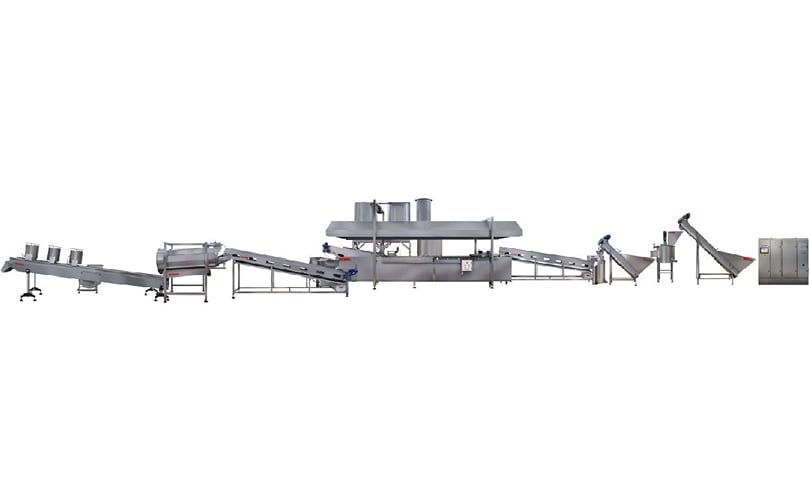
Batch and Kettle-Style Potato Chip Processing Line
What Is Kettle Style Potato Chips?
Kettle style potato chips, also known as kettle, cooked or batch fried potato chips, are premium potato chips produced by frying thicker potato slices in small, controlled batches rather than in a continuous fryer. This traditional frying method creates a distinctive texture, flavour and appearance that differentiate kettle style chips from conventional potato chips. Although inspired by traditional kettle frying, modern kettle style production combines batch frying with advanced process controls to ensure consistent product quality while maintaining their artisanal appeal.
Key Characteristics
- Thick-cut slices: Typically, 1.5–2.0 mm thick, compared with 1.0–1.3 mm for conventional potato chips.
- Batch frying: Fried in small batches, where the oil temperature temporarily decreases as the potato slices are added before gradually recovering, creating the characteristic U-shaped frying temperature profile.
- Crunchy texture: A dense, firm and crunchy texture with the distinctive "hard bite" associated with kettle style chips.
- Rich potato flavour: Longer frying times promoteMaillard browning, resulting in a deeper roasted flavour and enhanced potato taste.
- Rustic appearance: Characterised by blistered surfaces, curled edges, slight variations in shape, colour and a handcrafted appearance. In many production systems, minimal rinsing or blanching allows some surface starch to remain, promoting blister formation and contributing to the chips distinctive texture.
How a Batch and Kettle Style Processing Line Works
Potato receiving and storage: Potatoes are unloaded, inspected, temporarily stored and conveyed to the processing line. Initial cleaning removes loose soil, debris and oversized foreign materials.
Washing and destoning: Rotary or drum washers remove soil, while destoners separate stones, clods and other heavy foreign materials.
Peeling (optional): Potatoes are peeled using abrasive or steam peelers or processed with the skin on to produce rustic style kettle chips.
Inspection and trimming: Manual or automated inspection removes defective potatoes, remaining peel, green portions, bruises and damaged tissue.
Slicing: Precision slicers cut potatoes into uniform thick slices, typically 1.5–2.0 mm, ensuring consistent frying and product quality.
Slice inspection, light rinsing and dewatering (optional): Slices may pass through an inspection conveyor before undergoing light rinsing to remove loose starch and dewatering. Unlike conventional continuous potato chip processing, extensive rinsing and blanching are generally avoided to retain surface starch, which contributes to the characteristic blistered surface, golden-brown colour and crunchy texture of kettle-style chips.
Batch frying: Potato slices are fried in small batches in a kettle fryer. The oil temperature intentionally drops when slices are added and gradually recovers during frying, producing the distinctive colour variation, blistering and dense crunchy texture associated with kettle style chips.
De-oiling (oil draining): Excess frying oil is removed using vibrating conveyors, draining conveyors or centrifugal de-oiling systems to achieve the desired oil content.
Seasoning: Salt or dry seasonings are evenly applied using tumblers or continuous seasoning systems while the chips are still warm to maximize seasoning adhesion.
Cooling: Ambient or forced-air cooling reduces product temperature, stabilizes crispness and prepares the chips for packaging.
Packaging: Chips are accurately weighed, packed into moisture and oxygen barrier bags, typically flushed with nitrogen to extend shelf life and heat sealed.
Supporting operations include oil heating and temperature control, continuous oil filtration and quality management, seasoning preparation and dosing, metal detection, X-ray inspection (optional), checkweighing, nitrogen generation, quality inspection, peel and waste handling and PLC/SCADA-based process automation.
Main Equipment Used in Batch and Kettle Style Potato Chip Processing
A batch and kettle-style potato chip processing line consists of several integrated processing, handling, quality control and packaging systems. Each piece of equipment performs a specific function to ensure efficient production, consistent product quality, food safety and maximum processing yield.
Potato Receiving and Feeding System: The processing line begins with a potato receiving and feeding system, where freshly harvested potatoes are unloaded, inspected and temporarily stored before entering production. The system typically consists of receiving hoppers, belt or chain conveyors, bucket elevators and metering devices that regulate the flow of potatoes into the washing section. Modern systems are designed to minimize bruising and mechanical damage while ensuring a continuous and uniform feed to downstream equipment.
Potato Washer: Potato washers remove soil, sand, dust, crop residues and other field contaminants from freshly harvested potatoes. Depending on production capacity and raw material quality, processors may use rotary drum washers, brush washers, flotation washers or combination washing systems. Effective washing not only improves product hygiene but also reduces wear on downstream equipment such as peelers and slicers.
Destoner: A destoner removes stones, clods, metal fragments and other heavy foreign materials that accompany harvested potatoes. These systems generally operate using differences in density between potatoes and foreign materials through water flow or mechanical separation. Destoners are often integrated with washing systems to improve cleaning efficiency while protecting processing equipment from damage.
Potato Peeler: Peeling removes the potato skin while minimizing edible flesh loss. Commercial batch chip processors generally use abrasive peelers or steam peelers depending on production requirements. Abrasive peelers mechanically remove the skin using abrasive rollers or discs, whereas steam peelers rapidly loosen the skin using high pressure steam followed by brushing or washing. Some premium kettle chips intentionally retain part or all of the skin to produce a rustic appearance, enhanced flavour and improved consumer appeal.
Inspection and Trimming Conveyor: Following peeling, potatoes pass over inspection conveyors where operators manually remove defective tubers, green potatoes, sprouts, diseased tissue, bruises, remaining peel and mechanical damage. Larger production facilities may also incorporate optical sorting systems capable of automatically identifying and rejecting defective potatoes based on colour, size or surface defects. Effective inspection significantly improves finished chip quality and reduces frying defects.
Potato Slicer: The slicer is one of the most critical pieces of equipment in the production line. High speed disc slicers or centrifugal slicers cut potatoes into uniform thick slices, typically between 1.5 and 2.0 mm for kettle style chips. Uniform slice thickness ensures even heat transfer during frying, resulting in consistent moisture removal, colour development, texture and product yield. Many industrial slicers allow rapid blade adjustment to produce different slice thicknesses and specialty cuts.
Slice Inspection, Light Rinsing and Dewatering System: After slicing, potato slices may pass over inspection conveyors to remove broken slices or foreign materials before entering the fryer. Depending on the desired product characteristics, slices may undergo light rinsing to remove loose surface starch. Unlike conventional continuous potato chip processing, kettle style production generally avoids extensive rinsing or blanching to retain natural surface starch, which contributes to the characteristic blistered surface, colour variation and crunchy texture. Vibratory conveyors, centrifugal dewatering systems or air knife systems remove excess surface moisture before frying, reducing oil splashing and improving frying consistency.
Batch Kettle Fryer: The batch kettle fryer is the heart of the entire processing line. Unlike continuous fryers, kettle fryers process potatoes in discrete batches. Potato slices are loaded into the fryer, where they are immersed in hot edible oil under carefully controlled temperature and time conditions. During frying, the oil temperature intentionally decreases as cold potato slices enter the fryer before gradually recovering, creating the unique frying profile responsible for the irregular golden colour, blistered surface and dense crunchy texture characteristic of kettle-style chips.
Modern batch fryers are available with direct gas fired, thermal oil, steam heated or electric heating systems. Advanced models incorporate automatic basket loading and unloading, oil circulation systems, programmable PLC and HMI controls, automatic frying cycle management and recipe storage for different products. Commercial capacities typically range from 16 kg to more than 227 kg of finished chips per hour depending on fryer size and batch frequency.
Oil Filtration System: Oil quality has a major influence on finished chip flavour, colour, shelf life and production economics. Continuous or batch oil filtration systems remove potato fines, crumbs, burnt particles and suspended solids generated during frying. Efficient filtration slows oil degradation, reduces dark particle formation, improves heat transfer, extends frying oil life and maintains consistent product quality throughout production.
Oil Heating and Circulation System: The heating system supplies thermal energy to the fryer using gas burners, thermal fluid heaters, steam heat exchangers or electric heating elements. Oil circulation pumps continuously move oil through the fryer and filtration system, ensuring uniform temperature distribution and preventing local overheating. Accurate temperature control is essential for maintaining consistent chip colour, moisture content and oil absorption.
De-oiling System: Immediately after frying, chips contain excess surface oil. De-oiling systems remove this excess oil using vibrating conveyors, draining conveyors, perforated baskets or centrifugal de-oiling equipment. Efficient oil removal improves product texture, reduces greasiness, lowers final oil content, enhances seasoning adhesion and reduces oil carryover into packaging.
Seasoning System: Seasoning systems evenly distribute salt, spices, herbs, cheese powders, barbecue blends, sour cream powders and other dry flavorings onto freshly fried chips while they remain warm. Rotating seasoning tumblers, flavour drums or continuous seasoning applicators ensure uniform coating without damaging the fragile chips. Modern systems include precision dosing equipment and automated seasoning control to maintain flavour consistency throughout production.
Cooling Conveyor: After seasoning, chips are transported through cooling conveyors equipped with ambient or forced air cooling systems. Controlled cooling reduces product temperature before packaging, allowing moisture equilibrium to stabilize while preserving crispness and preventing condensation inside the package. Gentle conveyor designs minimize product breakage during transport.
Multi-head Weigher: Multi-head combination weighers accurately divide chips into predetermined portion sizes for packaging. Using multiple weighing hoppers and computer algorithms, the system selects the optimum combination of product to achieve target weights with minimal product giveaway. High speed multi-head weighers significantly improve packaging efficiency while reducing product loss.
Packaging Machine: Packaging is typically performed using Vertical Form-Fill-Seal (VFFS) machines. These systems automatically form bags from roll stock film, fill them with accurately weighed chips, flush the package with nitrogen gas to reduce oxygen levels, and heat seal the bag. Nitrogen flushing helps preserve crispness, slows oxidation, protects delicate chips from breakage and extends product shelf life. Packaging materials usually consist of multilayer moisture and oxygen barrier laminates designed to maintain freshness.
Metal Detector: Metal detectors inspect packaged or unpackaged chips for ferrous, non-ferrous and stainless-steel contaminants that may originate from processing equipment or raw materials. Products containing metal fragments are automatically rejected, ensuring compliance with food safety regulations and protecting consumers.
Checkweigher: Checkweighers automatically verify that every package meets the specified weight requirement. Underweight and overweight packages are rejected from the production line. Continuous weight monitoring also provides valuable feedback for adjusting multihead weighers and maintaining packaging accuracy.
Auxiliary Equipment and Supporting Systems
In addition to the primary processing equipment, modern batch and kettle style potato chip plants utilize several auxiliary systems that improve operational efficiency, product quality, worker safety and regulatory compliance. Oil Storage and Management: Fresh and used frying oil is stored in dedicated insulated tanks equipped with pumps, filters and transfer systems. Proper oil storage and management minimize oxidation, facilitate oil replacement and support consistent frying performance.
Nitrogen Generation System: Many manufacturers install on-site nitrogen generators to supply food grade nitrogen for package flushing. Nitrogen displaces oxygen within the package, reducing oxidative rancidity and extending product shelf life.
Process Control and Automation: Modern production lines are controlled using Programmable Logic Controllers (PLC), Human Machine Interfaces (HMI) and Supervisory Control and Data Acquisition (SCADA) systems. These systems monitor frying temperature, oil level, frying time, conveyor speed, seasoning rate, packaging performance, alarms and production data in real time, improving efficiency and product consistency.
Air Handling and Environmental Control: Industrial frying operations generate heat, steam, oil vapours and odours. Exhaust hoods, ventilation systems, mist eliminators and odour control units maintain safe working conditions and reduce environmental emissions.
Cleaning and Sanitation Systems: Cleaning-in-Place (CIP) systems and sanitation equipment facilitate regular cleaning of processing equipment, helping maintain hygiene standards, reduce contamination risks and comply with food safety regulations such as HACCP, GMP and ISO 22000.
Waste Handling Systems: Peels, potato trimmings, starch residues, spent frying oil and other by-products are collected through dedicated waste handling systems. Many processors recover these materials for animal feed, composting, biogas production or industrial recycling, improving sustainability and reducing waste disposal costs.
End-of-Line Packaging Equipment: Following primary packaging, finished bags may pass through case packers, carton sealers, palletizers, stretch wrappers and warehouse handling systems to prepare products for storage and distribution.
Batch Frying Process in Kettle Style Potato Chip Production
Potato slices are loaded in discrete batches into a kettle fryer containing hot edible oil, typically preheated to 149–177 °C (300–350 °F). The cold, high moisture slices cause an immediate drop in oil temperature, often to 116–127 °C (240–260 °F). As heat is continuously supplied, the oil temperature gradually recovers, creating the characteristic U-shaped time temperature profile of batch frying.
Frying generally lasts 4–8 minutes although the exact time depends on slice thickness, potato variety, fryer design and the desired product characteristics. During frying, the slices are gently agitated using paddles or rotating baskets to prevent sticking, ensure uniform heat transfer and promote even cooking.
As moisture evaporates, steam escapes from the potato slices, while retained surface starch contributes to the characteristic blistered surface, curled edges and dense crunchy texture of kettle-style chips. The Maillard reaction also develops the chips' golden-brown colour and distinctive roasted flavour.
When the chips reach a final moisture content of approximately 1–2%, they are removed from the fryer, de-oiled, seasoned, cooled and packaged. Modern batch fryers use PLC-controlled recipes to regulate frying temperature, time, agitation and unloading cycles, ensuring consistent product quality. Oil is continuously or periodically filtered to remove potato fines and burnt particles, extending oil life and maintaining frying performance.
Compared with continuous frying, batch frying produces chips with greater colour variation, more pronounced blistering, irregular shapes and a distinctive handcrafted appearance, characteristics that define premium kettle style potato chips.
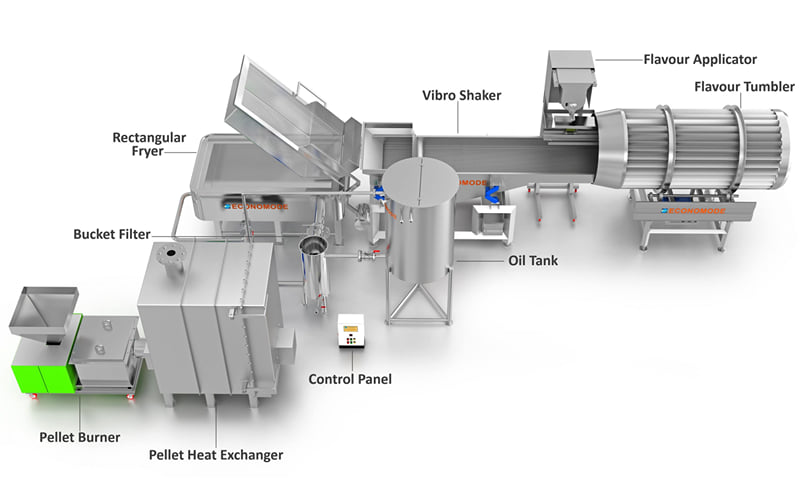
Batch Frying Process in Kettle Style Potato Chip Production
Project Planning and Plant Design for Batch and Kettle Style Potato Chip Processing Facilities
Effective project planning for a batch and kettle-style potato chip processing facility begins with defining the target production capacity, product mix and market positioning. Typical capacities for small to medium scale operations range from 50–200 kg/h of finished chips although larger facilities may achieve higher outputs by operating multiple batch fryers. The product portfolio may include plain, seasoned, organic or skin-on rustic style chips. A comprehensive feasibility study or Detailed Project Report (DPR) should evaluate market demand, raw material availability, technology selection, utility requirements, capital investment, operating costs and financial feasibility before project implementation.
Site selection is a critical factor in ensuring efficient and economical production. The facility should preferably be located close to major potato growing regions to minimize transportation costs and ensure a consistent supply of high-quality potatoes with high dry matter content and low reducing sugar levels. The selected location should also provide reliable road connectivity, adequate land for future expansion, a stable three phase power supply, sufficient potable process water, suitable fuel sources such as natural gas, LPG, thermal oil or steam and adequate wastewater treatment capacity.
Regulatory compliance should be considered during the planning stage. Necessary approvals, including zoning permissions, environmental clearances, food manufacturing licenses, fire safety approvals and local building permits, should be obtained before construction begins. Early compliance with applicable food safety regulations and environmental standards helps avoid project delays and ensures smooth plant commissioning.
The plant layout should follow a logical, linear product flow that separates raw material receiving and storage from processing, packaging and finished goods warehousing. Processing operations generally proceed through potato receiving, washing, destoning, peeling, inspection, slicing, optional dewatering, batch frying, de-oiling, seasoning, cooling, packaging and finished product storage. A well-planned layout minimizes material handling, improves production efficiency and reduces the risk of cross contamination.
b Hygienic plant design is essential for maintaining food safety and product quality. Low hygiene areas such as potato receiving, washing, and peeling should be physically separated from medium hygiene areas including slicing and inspection and from high hygiene areas such as frying, seasoning, cooling and packaging. Controlled personnel movement, sanitation stations, adequate ventilation, proper drainage and designated waste handling areas further improve hygiene throughout the facility.
Small to medium scale batch processing lines generally require 50–150 m² for the core processing equipment, while the total facility area increases when potato storage, oil storage, packaging, quality control laboratories, utility rooms, maintenance workshops and staff facilities are included. The processing area should provide sufficient working space for equipment installation, inspection, cleaning, maintenance and future capacity expansion.
Infrastructure should incorporate food grade stainless-steel processing equipment, hygienic floors and wall finishes, efficient drainage systems, oil storage and filtration facilities, exhaust ventilation, oil mist extraction systems, compressed air, water supply and process automation using PLC/HMI or SCADA systems. Proper utility planning improves equipment reliability, production efficiency and operational safety.
Food safety and operational efficiency should be integrated into the plant design through the implementation of Hazard Analysis and Critical Control Points (HACCP), Good Manufacturing Practices (GMP), traceability systems, allergen management where multiple seasonings are used, pest control programs, sanitation procedures, metal detection and routine quality assurance practices. These measures help ensure consistent product quality and compliance with national and international food safety standards.
Modern batch and kettle style potato chip plants increasingly incorporate energy efficient fryers, continuous oil filtration systems, automated batch control, heat recovery technologies and water conservation measures to reduce operating costs and improve sustainability. Depending on plant size, equipment leads times, construction complexity and regulatory approvals, project implementation from engineering design to commercial commissioning typically requires 6–18 months. Make this for 490 words but cover all the information.
Production Capacity of Batch and Kettle Style Potato Chip Processing Lines
The production capacity of a batch and kettle style potato chip processing line depends primarily on fryer size, batch load, frying cycle time, number of fryers and the efficiency of upstream and downstream equipment. Other important factors include oil volume, heating capacity, potato dry matter content, slice thickness and the level of process automation.
Typical finished product capacities for kettle-style potato chips are:
- Small scale/Artisanal: Approximately 16–80 kg/h, suitable for specialty brands, pilot plants, restaurants and small-scale commercial production.
- Medium-scale: Approximately 100–200 kg/h, commonly used by regional manufacturers and commercial batch processing facilities.
- Industrial-scale: Approximately 200–300+ kg/h per fryer. Multiple fryers can be integrated into a single production line to achieve significantly higher production capacities.
Factors Affecting Production Capacity
Production capacity is influenced by several processing and equipment parameters, including:
- Fryer size and batch loading capacity
- Frying cycle time, including loading, frying, unloading and oil temperature recovery
- Fryer heating efficiency and heat transfer rate
- Potato variety, dry matter content and slice thickness
- Degree of automation (manual, semi-automatic or fully automatic)
- Oil quality management and filtration efficiency
- Capacity of upstream equipment, such as washers, peelers and slicers
- Capacity of downstream equipment, including seasoning, cooling, weighing and packaging systems
In batch frying, a complete production cycle typically requires 5–10 minutes, depending on the product specifications and fryer design. Since production occurs in discrete batches rather than continuously, overall throughput is determined by both batch size and cycle frequency.
Modern industrial systems improve productivity through PLC-controlled operation, automated loading and unloading, continuous oil filtration, efficient heat recovery and integrated process control, enabling consistent product quality while maximizing production efficiency.
Production capacity is generally expressed as the weight of finished potato chips per hour (kg/h). Because potatoes lose a significant amount of moisture during frying, the raw potato requirement is typically 3.5–4.0 kg for every 1 kg of finished kettle-style chips, although the exact yield depends on potato variety and dry matter content.
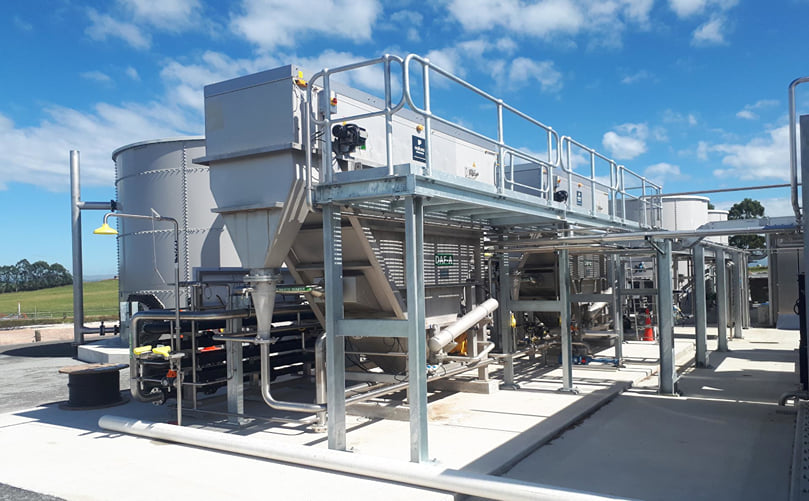
Batch and Kettle-Style Potato Chip Production
Typical Applications of Batch and Kettle Style Potato Chip Processing
Batch and kettle style potato chip processing is widely used for the production of premium and gourmet potato chips, where superior crunch, rich flavour and a handcrafted appearance are key product attributes. The process is particularly suitable for manufacturers targeting consumers who prefer high-quality, small-batch snacks with distinctive texture and flavour.
The technology is extensively adopted by organic, natural and clean label snack manufacturers, as well as regional and artisanal potato chip producers that focus on traditional processing methods and premium ingredients. It is also well suited for producing skin-on, rustic-style and specialty potato chips that command higher market value.
Batch processing is commonly used by private label manufacturers supplying premium potato chips to supermarkets, retailers and food service brands. Its flexibility allows processors to produce multiple flavours, limited edition products, seasonal varieties and customized recipes with minimal changeover time making it ideal for contract manufacturing and specialty snack production.
The process is equally suitable for small to medium-scale commercial processing facilities, start-up snack companies, pilot plants and research and development centers where production flexibility, recipe development and product innovation are important. Owing to its lower initial investment compared with large continuous processing lines, batch and kettle style processing remains a preferred choice for businesses seeking to manufacture premium potato chips while maintaining operational flexibility and consistent product quality.
Key Factors for a Successful Batch and Kettle Style Potato Chip Processing Set-up
The selection of an appropriate potato variety is one of the most important factors influencing product quality and processing efficiency. Potatoes with high dry matter content (20–25%), low reducing sugar levels (generally <0.1–0.3%) and good frying characteristics produce chips with superior texture, colour and yield. Common processing varieties include Russet Burbank, Atlantic, Snowden, Lamoka, Lady Rosetta and Hermes. Proper storage at 7–10 °C, followed by reconditioning, when necessary, helps minimize sugar accumulation and prevents excessive browning during frying.
Maintaining a uniform slice thickness, typically 1.5–2.0 mm, is essential for consistent heat transfer, moisture removal, colour development and texture. Variations in slice thickness can lead to uneven frying, inconsistent product quality and increased product losses. Similarly, maintaining high-quality frying oil through the use of stable edible oils, such as high-oleic sunflower, high-oleic canola (rapeseed), safflower, soybean or peanut oil, together with effective oil filtration and quality management, is critical for producing high-quality kettle-style chips.
Accurate control of frying temperature and the characteristic U-shaped temperature profile ensure proper moisture removal, flavour development and the formation of the blistered surface typical of kettle-style chips. Frying time should be adjusted according to slice thickness, batch size, potato variety and desired final moisture content, which is generally below 2%. Proper dewatering before frying and effective de-oiling after frying further improve product texture, reduce oil absorption and enhance seasoning adhesion.
Consistent seasoning application is equally important for product quality. Well-designed seasoning tumblers or applicators should provide uniform distribution of salt and flavourings while the chips remain warm to maximize adhesion. Maintaining strict hygiene and food safety through HACCP, Good Manufacturing Practices (GMP), effective sanitation procedures, allergen management and foreign body detection systems helps ensure safe and compliant production. Finally, packaging chips in nitrogen flushed bags reduces oxidation and extends shelf life, while regular inspection and maintenance of fryers, oil filtration systems, slicers, conveyors and packaging equipment ensure reliable operation, consistent product quality and long-term processing efficiency.
Investment Considerations and Return on Investment (ROI)
The capital investment required for a batch or kettle style potato chips processing line varies significantly depending on production capacity, automation level, equipment quality and geographical location. Semi-automatic small-scale systems with capacities of 30–100 kg/h typically require an investment of approximately USD 8,000–35,000 for core processing equipment, including a potato washer and peeler, slicer, batch fryer, de-oiling system, seasoning tumbler and basic packaging machine. Mid-scale production lines with capacities of 100–300 kg/h generally require USD 35,000–120,000, depending on the level of automation and the inclusion of features such as stainless-steel construction, advanced oil filtration systems, automatic seasoning equipment, multi-head weighers and nitrogen flush packaging machines.
The total project investment is considerably higher than the equipment cost alone. Expenses for building construction or facility modification, utilities, installation and commissioning, electrical systems, compressed air, oil storage, working capital, packaging materials, raw material inventory and regulatory compliance must also be considered. Consequently, a modest commercial kettle chips manufacturing facility typically requires a total investment of approximately USD 75,000–250,000, while large industrial plants equipped with multiple fryers, automated material handling systems, advanced process controls and warehousing facilities may require investments exceeding USD 500,000. Land acquisition and civil construction costs vary significantly depending on location and are generally excluded from these estimates.
Operating costs are primarily driven by raw potatoes, which usually represent the largest single production expense. Other major cost components include frying oil, energy (natural gas, LPG, diesel or electricity), labour, seasonings, packaging materials, equipment maintenance and quality assurance. Although batch frying generally requires more labour and consumes more energy than continuous frying, kettle style potato chips are positioned as premium products and typically command higher selling prices, enabling improved profit margins when product quality and brand positioning are effectively maintained.
Well-managed kettle chips operations commonly achieve gross profit margins of approximately 30–45%, while net profit margins typically range from 10–20%, depending on production efficiency, capacity utilization, market demand, raw material prices, distribution costs and overall business management. Actual profitability varies considerably between regions and business models.
Return on investment (ROI) depends largely on production capacity, plant utilization, product pricing, operating efficiency and market penetration. Financial feasibility studies for medium-scale plants with capacities of approximately 150 kg/h often indicate payback periods of 3–5 years, assuming gradual production ramp-up from 50–60% capacity utilization during the first year to 80–90% utilization in subsequent years. Internal Rate of Return (IRR) values of 20–35% are considered achievable under favorable market conditions although actual returns depend on local economic conditions and business performance.
Several risks can significantly affect profitability, including fluctuations in potato prices, rising edible oil and energy costs, inconsistent product quality and increasing market competition. These risks can be mitigated through long-term contracts with potato growers, efficient oil management and filtration systems, preventive equipment maintenance, strong quality control programs, diversified product offerings, effective branding and private label manufacturing opportunities.
Before making a final investment decision, a comprehensive financial feasibility study should be conducted, incorporating sensitivity analyses for raw material costs, energy prices, production capacity utilization and sales volumes. Evaluating available government incentives, financing options, tax structures and local market conditions can further enhance the financial viability and long-term sustainability of the project.
Advantages of Batch and Kettle-Style Potato Chip Processing
- Produces premium quality potato chips with a distinctive crunchy texture, rich flavour and handcrafted appearance.
- Longer frying times and the characteristic U-shaped temperature profile enhance the Maillard reaction, resulting in superior flavour development, attractive golden-brown colour and a denser texture.
- Creates irregular shapes, blistered surfaces and natural colour variation, which are key characteristics of kettle style potato chips.
- Offers greater flexibility for producing multiple flavours, limited edition products, seasonal varieties and small production batches.
- Ideal for manufacturing specialty, gourmet, organic, clean label and private label potato chip products.
- Enables easier recipe adjustments and precise process control, as each batch can be individually monitored and optimized.
- Requires a lower initial capital investment for small and medium-scale operations compared with large continuous frying lines.
- Facilitates rapid product development and testing making it suitable for pilot-scale production and new product launches.
- Supports premium brand positioning and higher perceived product value, allowing manufacturers to target higher value market segments.
- Continuous or periodic oil filtration helps maintain frying oil quality, contributing to consistent product quality and extended oil life.
- Modular equipment design allows processors to expand production capacity by adding additional batch fryers as demand increases
Limitations of Batch and Kettle Style Potato Chip Processing
- Lower production capacity compared with continuous potato chip processing lines making batch systems less suitable for very high-volume manufacturing.
- Higher labour requirements, particularly in semi-automatic or manual operations involving loading, unloading, monitoring, cleaning and product changeovers.
- Greater energy consumption per kilogram of finished product due to repeated heating and cooling cycles and larger oil volumes maintained at frying temperature.
- Longer production cycles, including loading, frying, unloading and oil temperature recovery, which can limit overall throughput.
- Higher production costs per unit resulting from lower productivity, increased labour and higher energy consumption.
- Slower oil turnover rates, requiring continuous or frequent oil filtration and careful oil quality management to maintain product quality and extend oil life.
- Greater space requirements for batch handling, temporary product staging and material movement compared with continuous processing lines.
- Less suitable for large-scale, continuous production, where uninterrupted processing and maximum efficiency are required.
- Production consistency may vary between batches if frying parameters, raw material quality or process control are not carefully maintained.
- More frequent equipment cleaning and maintenance may be required due to batch operation and product changeovers, particularly when producing multiple flavours.
Future Trends in Batch and Kettle Style Potato Chip Processing
Batch and kettle style potato chip processing is continuously evolving to improve production efficiency, product consistency and sustainability while preserving the distinctive texture and flavour that define kettle style chips. One of the major trends is the adoption of energy efficient fryers featuring improved heat transfer, enhanced insulation, lower oil volumes, heat recovery systems and hybrid heating technologies to reduce energy consumption and operating costs.
Automation is also becoming increasingly important with modern processing lines incorporating PLC-based batch control, recipe management systems and automated loading, frying and unloading operations to improve process consistency, reduce labour requirements and minimize human error. In addition, artificial intelligence (AI), machine vision and advanced process monitoring systems are being integrated to monitor frying temperature, chip colour, moisture content and oil quality in real time, enabling better process control and product quality.
Another key trend is the development of advanced oil filtration and oil management technologies, which help extend frying oil life, improve product quality and reduce waste. Manufacturers are also focusing on sustainable production practices, including lower oil consumption, water conservation, waste reduction, renewable energy use and improved environmental performance.
Research is also exploring reduced oil uptake technologies, such as process optimization, pulse electric field (PEF) pre-treatment and other innovative processing techniques that lower oil absorption while maintaining the characteristic texture and flavour of kettle style chips. At the packaging stage, smart packaging technologies, improved high barrier packaging materials, enhanced nitrogen flushing systems and interactive packaging features are being adopted to extend shelf life, improve product protection and enhance consumer engagement.
Overall, batch and kettle style potato chip processing is moving towards greater automation, digitalization, energy efficiency and sustainability while preserving the premium quality, dense crunch and handcrafted characteristics that distinguish kettle style potato chips.