

Potato Breeding: Building Better Varieties for the Future
Potato breeding is the systematic process of developing improved varieties of potato (Solanum tuberosum L.) by combining genetic variation through hybridization, selection and modern biotechnological tools. The primary objective is to develop cultivars with superior yield, quality, resistance to biotic and abiotic stresses and adaptability to diverse agroecological conditions and farming systems worldwide.
Why Continuous Improvement in Potato Breeding Is Essential?
Food Security: Potatoes are among the world’s most important food crops due to their high nutritional value, productivity and versatility. They play a crucial role in feeding growing populations, particularly in developing regions of Asia, Africa and Latin America, where they contribute significantly to food and nutritional security.
Sustainability: Potato breeding helps reduce dependence on chemical inputs such as fertilizers and pesticides by improving nutrient use efficiency and enhancing natural resistance to pests and diseases. This contributes to environmentally sustainable production systems with lower ecological footprints.
Climate Resilience: Climate change is increasing the frequency of heat stress, drought, frost and erratic rainfall patterns. Developing climate resilient potato varieties capable of maintaining stable yields under adverse environmental conditions has become a major breeding priority.
Processing Quality and Nutrition: Expanding industrial demand for potato products such as chips, fries and starch requires varieties with specific processing characteristics. Simultaneously, consumer demand for healthier foods has accelerated efforts to breed biofortified potatoes enriched with essential nutrients including iron, zinc, vitamins and antioxidants.
Economic Importance:Potato cultivation supports the livelihoods of millions of farmers, particularly smallholders and contributes substantially to global agricultural economies and agri-food systems. Improved varieties can enhance profitability through higher productivity, better quality and reduced crop losses.
Why Potato Breeding Is More Complex Than Other Crops?
Potato breeding is considerably more complex than breeding many other major crops. Cultivated potato is an autotetraploid species (2n = 4x = 48) characterized by high heterozygosity, clonal (vegetative) propagation and complex polysomic inheritance. These genetic characteristics make trait fixation and selection more challenging, slowing genetic improvement compared with diploid, seed propagated crops. As a result, potato breeding requires specialized breeding strategies, advanced genetic tools and long-term selection programs.
Potato breeding therefore represents a unique intersection of conventional plant breeding, agronomy and advanced biotechnology, playing a critical role in developing resilient, sustainable and high performing potato varieties for global food systems.
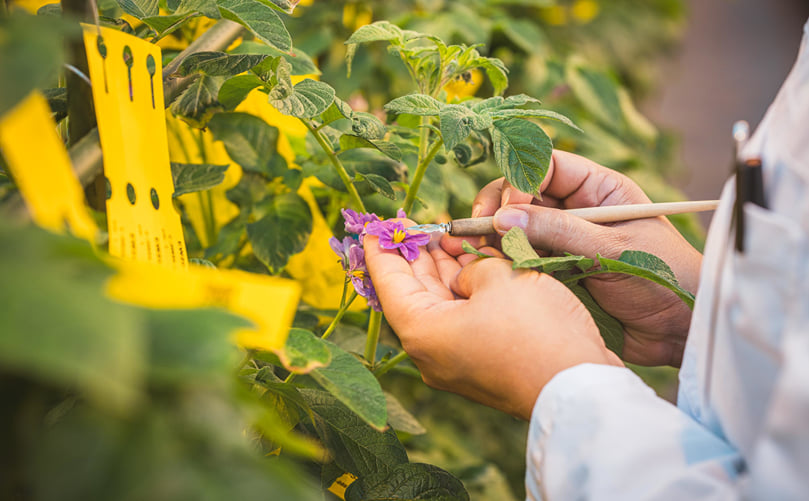
Modern Potato Breeding for Sustainable Agriculture
Potato Origins and Breeding History: Evolution of a Global Crop
Potato (Solanum tuberosum L.) originated in the Andean highlands of South America, particularly around the region of Lake Titicaca, spanning present day southern Peru and northwestern Bolivia. Archaeological and genetic evidence indicates that potato domestication began approximately 7,000–10,000 years ago, when indigenous Andean communities selected and cultivated wild tuber bearing Solanum species for food and adaptation to harsh mountain environments.
Evolutionary Origin of Potato: Recent genomic research suggests that the evolutionary lineage of potato dates back nearly 9 million years and likely emerged through an ancient hybridization event between ancestors of modern tomatoes and a lineage related to Solanum tuberosum during the geological uplift of the Andes. This evolutionary process contributed significantly to the genetic basis of tuber formation and adaptation, laying the foundation for the emergence of modern cultivated potato species.
Domestication of Potato: Early Andean farmers gradually transformed small, bitter and often toxic wild potatoes into larger, less toxic and more palatable forms through continuous selection. Over centuries, indigenous communities developed thousands of genetically distinct landraces adapted to extreme environmental conditions including elevations exceeding 4,000 meters, variable soil types, frost prone regions and highly diverse microclimates.
These traditional potato landraces exhibit extraordinary diversity in tuber characteristics, including variations in shape, size, skin texture, flesh color and flavor. Tuber colors range widely from white and yellow to red, purple and blue, reflecting the rich genetic diversity maintained by indigenous farming systems.
Global Spread of Potato: The global dissemination of potato began in the 16th century after Spanish explorers encountered the crop in the Andes during the 1530s. Potatoes were introduced to Europe in the late 1500s with some of the earliest recorded introductions occurring in the Canary Islands around 1567 before spreading to mainland Europe.
During the 17th and 18th centuries, potato cultivation expanded rapidly across Europe, where it became a staple food crop due to its high productivity and nutritional value. The crop significantly contributed to population growth, improved food availability and urbanization. Through colonial expansion, trade and migration, potatoes later spread to Asia, Africa and North America, eventually becoming one of the world’s most important food crops.
The Irish Potato Famine and Its Impact on Breeding: A major historical turning point in potato breeding occurred during the Great Famine, primarily caused by severe outbreaks of late blight disease. Heavy dependence on a genetically narrow range of potato cultivars, especially the variety ‘Lumper,’ exposed the vulnerability of monoculture systems. The famine highlighted the urgent need for broader genetic diversity, disease resistance and systematic breeding efforts, ultimately accelerating interest in germplasm conservation and scientific crop improvement.
Early Farmer Selection Practices: Long before formal breeding programs existed, Andean farmers practiced sophisticated selection techniques. Indigenous communities maintained potato diversity through mass selection, mixed planting of multiple landraces and seed tuber exchange systems. These practices preserved valuable genetic variation and enhanced resilience against environmental stresses, pests and diseases.
Evolution of Scientific Potato Breeding: Scientific potato breeding began to emerge during the 19th century with early hybridization efforts in Europe and North America. However, breeding progress remained limited due to the crop’s genetic complexity and clonal propagation system.
In the 20th century, organized breeding programs became more systematic, focusing on improving yield, disease resistance particularly against late blight and environmental adaptation. A major milestone occurred with the establishment of the International Potato Center in 1971 in Peru, which became a global center for potato germplasm conservation, breeding research and support for developing countries.
By the late 20th and early 21st centuries, potato breeding shifted toward molecular and genomics-based approaches. Advances such as potato genome sequencing in 2011, marker assisted selection, genomic selection and diploid hybrid breeding systems significantly accelerated crop improvement efforts. Modern potato breeding increasingly integrates climate resilience, nutritional enhancement, processing quality and biotechnological innovations to meet future agricultural challenges.
The historical journey of potato breeding transformed potato from a regional Andean crop into a globally important food staple, playing a crucial role in food security, nutrition and sustainable agricultural development worldwide.
(Click picture to watch video)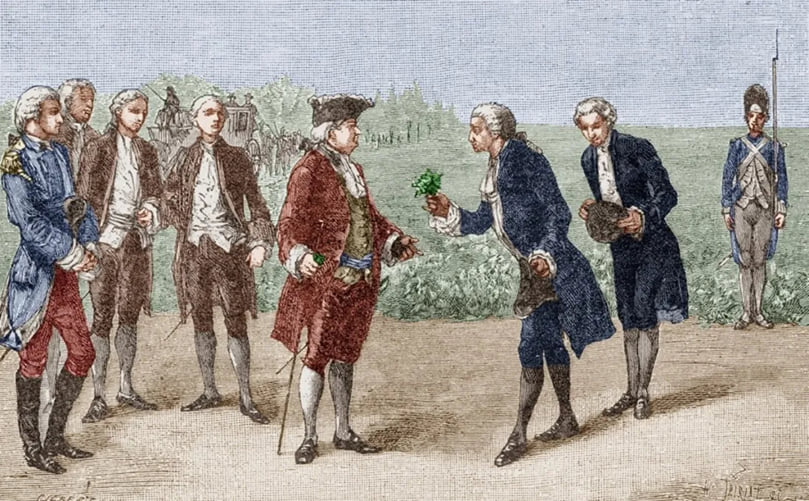
Potato History Explained: From Ancient Andes to Modern Agriculture
Potato Taxonomy and Genetic Diversity: Understanding the Crop’s Biological Foundation
Potato (Solanum tuberosum L.) belongs to the family Solanaceae, commonly known as the nightshade family, which also includes economically important crops such as tomato, pepper and eggplant. The genus Solanum is one of the largest genera of flowering plants, comprising more than 1,000 species. Tuber bearing potato species are classified under Solanum section Petota, which includes over 100 wild and cultivated species distributed geographically from the southwestern United States to southern Chile.
Taxonomic Classification of Potato: The cultivated potato, Solanum tuberosum L., is the most widely grown potato species globally. However, several other cultivated and semi-cultivated potato taxa also contribute to regional agricultural systems and genetic diversity. These include Solanum andigena, commonly adapted to Andean highlands, Solanum phureja, known for rapid maturity and absence of tuber dormancy and Solanum stenotomum, considered one of the earliest domesticated potato forms. In addition, hybrid cultivated species such as Solanum juzepczukii and Solanum curtilobum have evolved through natural hybridization and are valued for their adaptation to extreme high-altitude environments and frost tolerance.
Genome Structure of Potato: Cultivated potato is predominantly an autotetraploid species with a chromosome number of 2n = 4x = 48 and a base chromosome number of x = 12. As an autotetraploid, potato exhibits tetrasomic inheritance, in which four homologous chromosomes can pair and form multivalents during meiosis, resulting in highly complex inheritance patterns.
The potato genome has an estimated haploid size of approximately 840 megabases (Mb) and is characterized by exceptionally high heterozygosity due to its evolutionary history of outcrossing and polyploidy. Furthermore, potato genomes display substantial structural variation, including extensive copy number variation (CNV). Research suggests that nearly 40–50% of genes may vary in copy number among different potato genotypes, contributing significantly to phenotypic diversity and environmental adaptability.
Understanding Potato Genetics: Key Features Affecting Breeding
High Heterozygosity: Potato possesses a highly heterozygous genome, which contributes to hybrid vigor, adaptability and superior agronomic performance. However, this genetic complexity complicates breeding because desirable traits are difficult to stabilize across generations. Tetraploid potatoes generally exhibit significantly higher heterozygosity than diploid forms.
Polyploidy: The autotetraploid nature of cultivated potato provides genetic buffering against harmful mutations and enhances environmental adaptability. However, polyploidy also creates complex segregation patterns making trait inheritance and selection more challenging for breeders.
Self-Incompatibility: Many diploid wild potato relatives exhibit gametophytic self-incompatibility, a mechanism that prevents self-fertilization and promotes genetic diversity. Nevertheless, some cultivated and wild potato genotypes possess self-compatibility genes, such as the Sli (S-locus inhibitor) gene, enabling self-pollination and facilitating diploid breeding strategies.
Clonal Propagation: Potato is primarily propagated vegetatively through seed tubers allowing superior genotypes and heterozygosity to be maintained across generations. While clonal propagation preserves desirable characteristics, it also increases the risk of accumulating viruses, pathogens and physiological degeneration over repeated cycles.
Diploid vs. Tetraploid Potato Breeding
Most commercially cultivated potato varieties are tetraploid because of their yield stability, robustness and broad environmental adaptability. However, tetraploid breeding remains genetically complex due to polysomic inheritance and heterozygosity.
In recent years, diploid potato breeding has gained considerable attention because it simplifies genetic analysis and facilitates the development of inbred parental lines and F1 hybrid varieties. Diploid breeding systems have the potential to accelerate genetic gain, improve breeding efficiency and enable more precise trait fixation compared with traditional tetraploid breeding.
Wild Relatives and Potato Gene Pools
Wild potato relatives represent an essential source of genetic diversity for crop improvement and are commonly categorized into three gene pools based on crossing compatibility.
The primary gene pool includes cultivated potato and closely related species that can be crossed relatively easily with minimal reproductive barriers.
The secondary gene pool consists of species with partial crossing compatibility, often requiring specialized breeding approaches to overcome reproductive limitations.
The tertiary gene pool includes distantly related wild species that are difficult to cross and may require advanced techniques such as bridge crosses, embryo rescue, somatic hybridization or biotechnology assisted methods.
Wild Solanum species such as Solanum demissum, Solanum bulbocastanum and Solanum chacoense serve as valuable reservoirs of resistance genes for late blight, viral diseases, nematodes, insect pests and abiotic stresses including drought and heat. Through introgression breeding, many beneficial traits from wild relatives have been successfully incorporated into cultivated potato varieties although repeated backcrossing is often necessary to remove undesirable linked traits.
Importance of Potato Germplasm Conservation
Conservation of potato genetic diversity is fundamental to long-term breeding success. The International Potato Center maintains one of the world’s largest potato germplasm collections, preserving approximately 9,000 potato accessions including more than 5,000 cultivated landraces and numerous wild relatives. These genetic resources are conserved through in vitro culture, true seed storage, field collections and cryopreservation systems, providing an invaluable foundation for global potato breeding, disease resistance, climate adaptation and food security efforts.
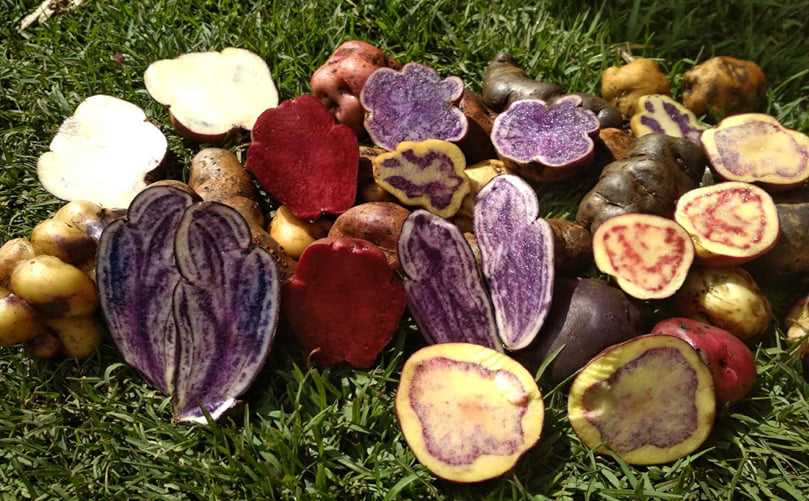
Understanding Potato Diversity: Variation Within a Global Crop
Why Is Potato Breeding Challenging?
Potato breeding is widely regarded as one of the most complex and challenging processes among major food crops due to the unique biological and genetic characteristics of potato (Solanum tuberosum L.). These complexities slow genetic progress, increase breeding costs and often extend the time required to develop a new potato variety to 10–15 years or longer. Compared with many seed propagated crops, potato improvement involves intricate inheritance patterns, extensive field evaluations and prolonged clonal selection cycles.
Key Constraints in Potato Breeding and Genetic Improvement
Tetraploid Complexity and Polysomic Inheritance: Cultivated potato is primarily an autotetraploid species with 2n = 4x = 48 chromosomes. This genetic structure results in tetrasomic inheritance, where four homologous chromosomes can pair in multiple combinations during meiosis, often forming multivalents. Consequently, inheritance patterns become highly complex and unpredictable making it difficult to accurately select and stabilize desirable traits such as disease resistance, yield and quality.
High Heterozygosity: Potato possesses a highly heterozygous genome due to its long evolutionary history of outcrossing. While heterozygosity contributes to hybrid vigor, adaptability and agronomic performance, it also creates substantial variation among offspring. During breeding, progenies often display wide genetic segregation and a large proportion of seedlings frequently more than 90% are discarded because they fail to surpass parental performance or meet breeding objectives.
Severe Inbreeding Depression: Self-pollination or close inbreeding in potato exposes harmful recessive alleles accumulated over generations. This frequently leads to severe inbreeding depression characterized by reduced plant vigor, poor fertility, lower yield potential, abnormal growth and inferior tuber quality. As a result, developing stable inbred parental lines remains highly challenging in conventional tetraploid breeding systems.
Poor Flowering and Berry Formation: Many modern potato cultivars exhibit poor flowering behavior, low pollen viability, reduced berry set or limited true seed production. These reproductive limitations complicate controlled hybridization and reduce breeding efficiency, particularly when large numbers of planned crosses are required.
Long Breeding Cycles: Potato breeding is inherently slow because it combines sexual hybridization with multiple years of clonal (vegetative) selection and extensive multi-location testing. Breeders must evaluate promising genotypes over several generations and environments to ensure stable performance, adaptability, disease resistance and market suitability before commercial release.
Strong Genotype × Environment (G×E) Interactions: Potato performance is highly influenced by environmental conditions such as climate, soil type, altitude and seasonal variation. A genotype that performs exceptionally well in one region may perform poorly elsewhere. Therefore, extensive multi-environment trials are essential to identify varieties with broad adaptation and stable performance.
Challenges of Clonal Propagation: Potato is propagated vegetatively through seed tubers allowing breeders to preserve superior genetic combinations and maintain heterozygosity. However, clonal propagation limits opportunities for genetic recombination compared with sexually propagated crops and increases vulnerability to seed degeneration caused by the accumulation of pathogens over time.
Disease Accumulation and Seed Quality Issues: Seed tubers can easily harbor latent infections caused by viruses, bacteria, fungi and other pathogens. Over repeated planting cycles, these infections accumulate and reduce plant health, yield and tuber quality. Consequently, potato breeding and production systems require rigorous phytosanitary measures, clean seed programs and certified seed systems to maintain crop health and productivity.
These challenges sharply contrast with diploid seed propagated crops such as maize or rice, where breeding is generally faster, more predictable and genetically simpler. To overcome these barriers, modern potato breeding increasingly incorporates advanced approaches such as diploid hybrid breeding, genomic selection, marker assisted breeding and gene editing technologies to accelerate genetic improvement and enhance breeding efficiency.
Major Objectives of Potato Breeding for Sustainable Crop Improvement
The primary objective of potato breeding is to develop resilient, high performing potato varieties that meet the diverse needs of global agriculture, ranging from smallholder farming systems in developing countries to highly mechanized processing industries in developed economies. Modern potato breeding aims to balance productivity, resistance, quality, adaptability and sustainability to ensure stable food production under changing environmental and market conditions.
Yield Improvement: Improving tuber yield and yield stability remains one of the central goals of potato breeding. Breeders focus on developing varieties capable of producing consistently high yields across diverse environmental conditions and management systems. Early maturity is another important target, particularly in regions with short growing seasons or where multiple cropping systems are practiced. Enhancing biomass partitioning and harvest index is also essential to maximize tuber production efficiency.
Key breeding objectives include:
- Higher tuber yield and improved yield stability across environments.
- Early maturing varieties suitable for shorter growing seasons or multiple cropping.
- Improved harvest index and biomass use efficiency.
Disease Resistance Breeding: Developing resistance to major potato diseases is critical for reducing yield losses, lowering dependence on pesticides and improving production sustainability. Potato breeding programs target resistance to a wide range of fungal, bacterial and soil borne pathogens.
Major disease targets include:
- Late Blight (Phytophthora infestans) — the most devastating potato disease globally, historically linked to severe crop failures and major economic losses.
- Early Blight (Alternaria solani).
- Common scab, black scurf (Rhizoctonia solani) and silver scurf.
- Bacterial wilt (Ralstonia solanacearum), soft rot and Fusarium dry rot.
- Wart disease (Synchytrium endobioticum), an important quarantine disease in many potato-growing regions.
Virus Resistance Breeding: Virus resistance is a major priority in potato breeding because viral infections contribute significantly to seed degeneration, quality deterioration and yield reduction worldwide. Since potatoes are vegetatively propagated, viruses can accumulate over generations if not properly managed.
Important breeding targets include:
- Potato virus Y (PVY) — considered the most economically damaging potato virus globally.
- Potato virus X (PVX), Potato virus A (PVA), Potato virus S (PVS) and Potato leafroll virus (PLRV).
- Potato mop-top virus (PMTV) and other vector transmitted viruses spread through nematodes or aphids.
Insect and Nematode Resistance: Breeding for resistance to insect pests and nematodes helps reduce crop losses and minimize reliance on chemical control measures. Particular attention is given to pests that act as virus vectors or directly damage tubers and roots.
Major targets include aphids, which transmit important potato viruses, potato tuber moth, whiteflies and the Colorado potato beetle. Resistance to potato cyst nematodes (Globodera spp.) and root-knot nematodes is also essential in many potato growing regions.
Abiotic Stress Tolerance: Improving tolerance to environmental stresses has become increasingly important due to climate variability and changing production conditions. Breeders aim to develop potato varieties capable of maintaining productivity under unfavorable environmental conditions.
Key breeding objectives include:
- Heat and drought tolerance, which are increasingly important under climate change scenarios.
- Salinity tolerance for cultivation in salt affected soils.
- Cold and frost tolerance, particularly for temperate and high-altitude production systems.
- Waterlogging tolerance in regions prone to excessive rainfall or poor drainage.
Quality Improvement Objectives in Potato Breeding
Quality improvement is a major focus in potato breeding because market demand differs between fresh consumption, processing industries and nutritional requirements.
Processing Quality: For industrial processing, breeders target low reducing sugar content to prevent dark fry color and reduce acrylamide formation during frying. High specific gravity is desirable for chips and French fries, while high starch content supports industrial processing applications.
Fresh Market Quality: Fresh market potatoes are bred for attractive skin and flesh colors, including yellow, red and purple types, as well as uniform tuber shape and size. Cooking quality traits such as suitability for boiling, baking or mashing, along with flavor and shelf life, are also important.
Nutritional Quality: Biofortification efforts aim to improve nutritional value by increasing protein, vitamin C, iron, zinc and antioxidant content. Colored-flesh potatoes rich in anthocyanins have gained increasing attention for their potential health benefits.
Storage Quality: Storage related traits are essential for ensuring year-round supply and reducing postharvest losses. Breeding targets include extended dormancy, reduced sprouting and tolerance to cold storage with minimal sugar accumulation to preserve processing quality.
Combining Multiple Traits in Modern Potato Breeding: Modern potato breeding rarely focuses on a single characteristic. Instead, breeders aim to combine multiple desirable traits, such as high yield, disease resistance, stress tolerance and superior quality into a single variety while ensuring adaptation to local climates, farming systems and market requirements worldwide.
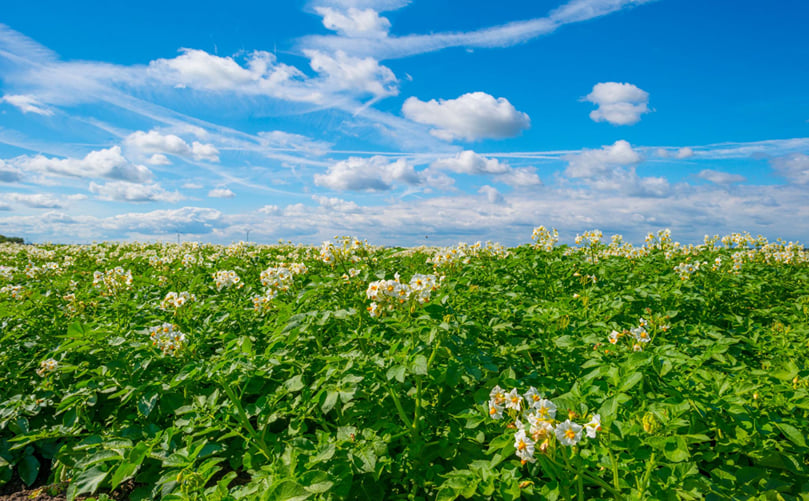
Field Performance of Potato (Solanum tuberosum L.) Reflecting Breeding Objectives for Yield, Stress Tolerance and Crop Uniformity”
Genetic Resources and Germplasm in Potato Breeding: The Foundation of Crop Improvement
Genetic resources form the foundation of all potato improvement. The rich diversity within potato Solanum species provides valuable genes for disease resistance, stress tolerance and quality traits that are often absent in the relatively narrow genetic base of modern cultivated varieties. Access to diverse germplasm is essential for developing resilient potato cultivars capable of adapting to changing climates, emerging pests and diseases, and evolving market demands.
Landraces and Heirloom Varieties: Thousands of traditional Andean potato cultivars serve as an important reservoir of genetic diversity. These landraces exhibit wide variation in tuber color, shape, size, flavor, nutritional composition and adaptation to harsh environmental conditions such as frost, drought and high-altitude farming systems. Many heirloom varieties possess unique traits that can be incorporated into breeding programs to improve resilience and quality.
Wild Relatives: More than 100 tuber bearing Solanum species represent a major source of useful genes for potato improvement. Wild relatives provide resistance to diseases, pests and abiotic stresses that are often lacking in cultivated potatoes. For example, Solanum demissum and Solanum bulbocastanum have contributed genes for resistance to late blight, while Solanum vernei has been used as a source of resistance to potato cyst nematodes. Wild species also contribute traits related to heat tolerance, salinity resistance and nutrient use efficiency.
Improved Breeding Lines and Exotic Introductions: Modern breeding programs also rely on advanced breeding lines, elite germplasm and exotic introductions from international breeding institutions. These materials often contain pre-selected combinations of beneficial traits and serve as valuable parental lines for hybridization and trait improvement.
Germplasm Collections and Gene Banks: The International Potato Center (CIP), located in Lima, Peru, maintains the world’s largest potato germplasm collection, conserving approximately 9,000 active accessions, including around 5,200 cultivated landraces along with numerous wild relatives. CIP operates one of the world’s largest in vitro potato gene banks and has established robust cryopreservation systems for long-term germplasm security.
Other major potato collections include the US Potato Gene bank, European gene banks and national conservation programs in countries such as China, India and Russia. Globally, more than 80,000 potato accessions are conserved across gene banks, ensuring the preservation of valuable genetic diversity for future breeding efforts.
Role of the International Potato Center (CIP): As part of the CGIAR system, CIP conserves potato genetic diversity as a global public resource under the framework of the International Treaty on Plant Genetic Resources for Food and Agriculture. The organization distributes potato germplasm to more than 100 countries and actively supports pre-breeding efforts through the introgression of beneficial traits from wild species into cultivated breeding pools. CIP also develops breeding materials aimed at improving climate resilience, nutritional quality and food security.
Germplasm Conservation Methods: Potato germplasm is conserved through multiple strategies to ensure long-term preservation and accessibility. These include in vitro conservation (slow growth storage), cryopreservation and the storage of true potato seed, particularly for wild species. Pre-breeding programs play a critical role in bridging the gap between wild or exotic germplasm and elite breeding materials by overcoming reproductive barriers through techniques such as embryo rescue, bridge crosses and advanced biotechnological approaches.
Gene Pools in Potato Breeding: Potato genetic resources are commonly categorized into different gene pools based on their compatibility with cultivated potato:
- Primary Gene Pool: Species that hybridize easily with cultivated potato and allow direct gene transfer through conventional breeding.
- Secondary Gene Pool: Species that can be crossed with cultivated potato but may require additional breeding techniques to overcome partial incompatibility.
- Tertiary Gene Pool: Distantly related species that require advanced technologies such as somatic hybridization, embryo rescue or genetic engineering for trait introgression.
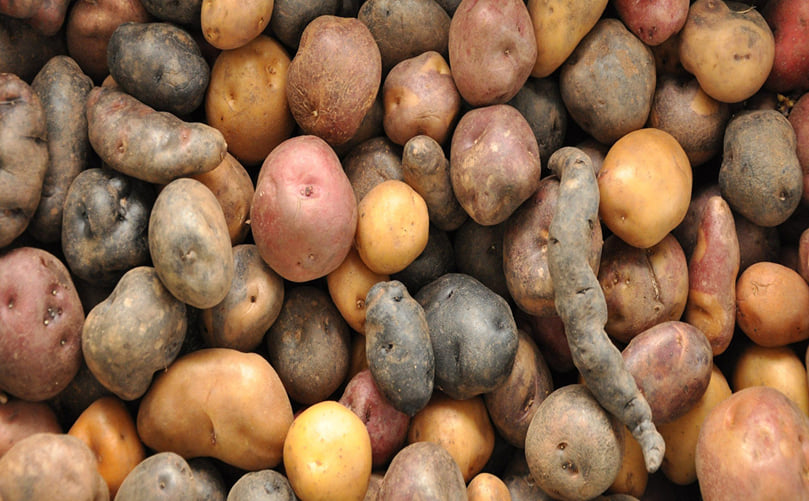
Genetic Resources and Germplasm Diversity in Potato (Solanum tuberosum) Breeding Systems
Conventional Potato Breeding Process: A Step-by-Step Pipeline for Variety Development
The conventional potato breeding pipeline is a meticulous, multi-year process that typically takes 10–15 years to develop and release a new potato variety. It combines sexual hybridization with extensive clonal selection to exploit the crop’s high heterozygosity while identifying and maintaining superior genotypes through vegetative propagation.
Step-by-Step Conventional Potato Breeding Process
Parent Selection: Breeders select complementary parental lines based on desirable traits such as high yield, disease resistance (especially to diseases like late blight), processing quality, abiotic stress tolerance, maturity duration and market preferences. Parents may include elite cultivars, breeding lines, landraces, wild relatives or advanced clones from diverse genetic backgrounds to maximize variability and combine favorable alleles.
Hybridization (Controlled Pollination): Potato breeding begins with controlled crossing between selected parents. Due to the crop’s complex floral biology and high heterozygosity, breeders often perform emasculation (removal of anthers in the female parent) and bagging to prevent unwanted pollination. Pollen from the male parent is manually transferred to the stigma of the female parent. Successful hybridization depends on factors such as flowering ability, pollen viability, compatibility and environmental conditions. Since many modern cultivars exhibit poor flowering or low berry set, skilled pollination techniques are essential.
True Potato Seed (TPS) Production: Successful pollination results in the formation of potato berries containing 100–300 botanical seeds, known as True Potato Seeds (TPS). Once berries mature, they are harvested and processed to extract seeds, commonly through fermentation or enzymatic methods. The extracted seeds are cleaned, dried and stored under suitable conditions for future sowing.
Seedling Generation: TPS is sown in greenhouses, growth chambers or nursery systems to produce seedlings. These seedlings are transplanted and grown to generate small tubers, commonly called seedling tubers or mini tubers. Each seedling represents a genetically unique genotype due to the heterozygous nature of potato.
Early Clonal Selection: In the seedling generation or first clonal generation, breeders conduct visual selection for plant vigor, tuber shape, skin color, eye depth, maturity and basic resistance to pests and diseases. Evaluation is usually performed in single hill plots or small field plots, and inferior genotypes are discarded early.
Subsequent Clonal Generations: Selected clones are multiplied vegetatively and evaluated across multiple clonal generations (typically 4–8 years). During these stages, breeders assess yield potential, tuber quality, disease resistance, storage behavior, processing suitability and agronomic stability. Selection pressure becomes increasingly rigorous and a very high proportion of progenies often more than 90% are eliminated during the process.
Advanced Clone Evaluation: Promising clones that survive early screening enter advanced evaluation stages involving rigorous testing for multi-trait performance. Traits such as dry matter content, reducing sugars, frying quality, nutritional value, dormancy, stress tolerance and market acceptability are assessed in greater detail.
Multi-Location Trials: Elite clones are tested across diverse agro-climatic regions and growing environments to determine their adaptability, yield stability and genotype × environment (G×E) interactions. Performance against diseases, storage quality, environmental resilience and processing characteristics are carefully evaluated to identify broadly adapted or region-specific cultivars.
Variety Registration and Release: The most promising clones undergo official performance trials, DUS (Distinctness, Uniformity, Stability) testing and national or regional regulatory approval procedures. Once approved, varieties enter certified seed multiplication systems for commercial production and farmer distribution.
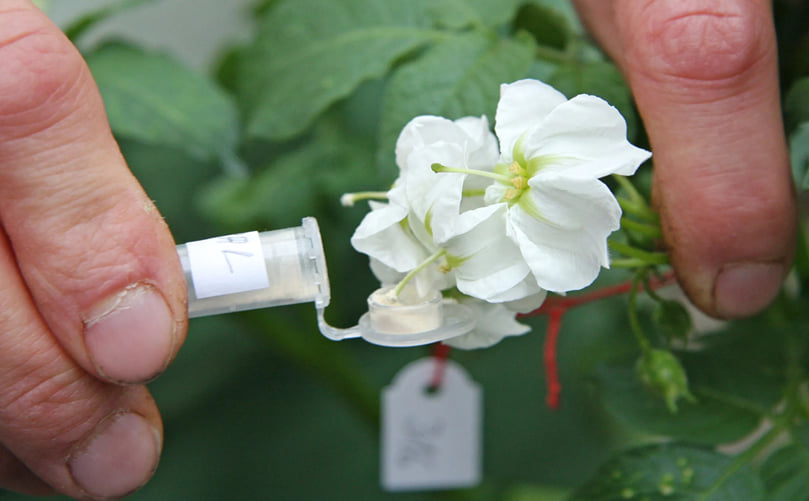
Controlled Cross-Pollination Step in Conventional Potato Breeding Pipeline
Clonal Breeding and Selection in Potato: Preserving Superior Genotypes Through Vegetative Propagation
Potato breeding differs fundamentally from seed-propagated crops because of its reliance on vegetative (clonal) propagation. Unlike self-pollinated crops, where improved traits are fixed through inbreeding, potatoes maintain superior genetic combinations through clonal multiplication. Once an elite genotype is identified, it is propagated vegetatively to preserve its heterozygosity, hybrid vigor and desirable trait combinations, which would otherwise be disrupted through sexual recombination.
Key Aspects of Clonal Breeding and Selection
Vegetative Propagation: Potatoes are primarily propagated using seed tubers or in vitro plantlets rather than botanical seeds. This approach allows breeders and seed producers to maintain genetically identical plants across generations, ensuring uniformity in performance and tuber quality. Clonal propagation also enables the rapid multiplication of elite germplasm. However, repeated vegetative propagation increases the risk of disease accumulation, particularly viral infections leading to seed degeneration over time.
Clone Fixation and Maintenance: Once a superior clone is selected, it is genetically “fixed” through vegetative multiplication, meaning its genetic makeup remains stable across generations. To maintain quality and genetic integrity, elite clones are propagated under disease free conditions, often using tissue culture, aeroponics or controlled greenhouse systems. These methods help preserve plant health while supporting large scale multiplication.
Clone Purification: Maintaining the genetic and phytosanitary purity of potato clones is critical for breeding and commercial seed production. Roguing, the removal of off-type or diseased plants is routinely practiced maintaining varietal uniformity. In addition, virus indexing and diagnostic screening are used to detect latent infections and ensure the production of disease-free planting material.
Soma clonal Variation: Tissue culture techniques may occasionally induce somaclonal variation, resulting in genetic or epigenetic changes within cloned material. These variations can be either beneficial or undesirable. While some changes may introduce useful traits such as stress tolerance or altered morphology, others may negatively affect yield, uniformity or quality. Therefore, breeders carefully monitor regenerated plants to maintain consistency and, in some cases, deliberately explore beneficial variation.
Why Potato Breeding Differs from Self-Pollinated Crops?
Potato breeding differs significantly from self-pollinated crops such as wheat and rice. In self-pollinated species, breeders can achieve stable homozygous lines through repeated inbreeding and selection. In contrast, potatoes exhibit severe inbreeding depression making the development of highly homozygous lines difficult and often undesirable. As a result, potato improvement relies on maintaining complex heterozygous genotypes through clonal propagation. Consequently, clonal selection emphasizes the performance of individual genotypes across multiple years, locations and environments, rather than selection within segregating seed populations.
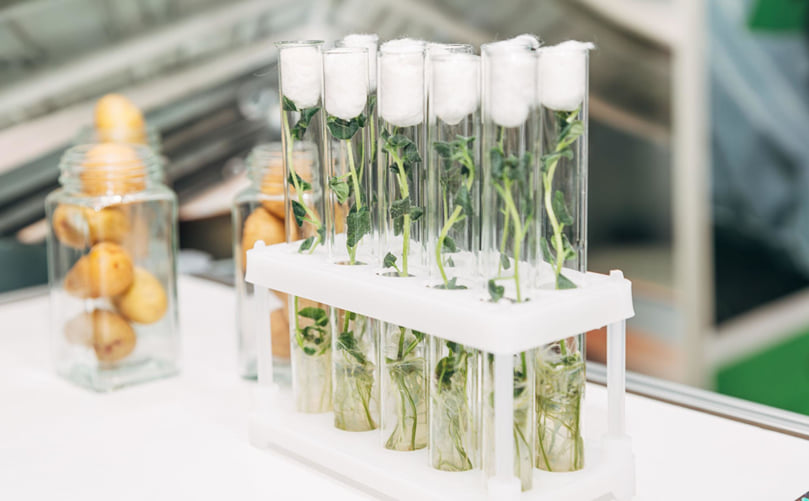
Clonal Breeding and Vegetative Propagation System in Potato (Solanum tuberosum L.): From Tissue Culture to Field Selection
Hybrid Potato Breeding: A Modern Revolution in Potato Variety Development
Hybrid potato breeding represents a major paradigm shift in potato improvement, transitioning from traditional tetraploid clonal varieties to diploid F1 hybrid systems propagated through True Potato Seed (TPS). Unlike conventional potato breeding, which depends on vegetative propagation using seed tubers, hybrid breeding utilizes botanical seed to develop highly uniform and disease-free crops. Since the late 2000s, companies such as Solynta and other research organizations have played a pioneering role in advancing this technology, accelerating innovation in global potato breeding.
Core Elements of Hybrid Potato Breeding
Diploid Breeding System: Hybrid potato breeding is based on diploid potatoes (2n = 2x = 24) rather than conventional tetraploid potatoes (2n = 4x = 48). Diploid genetics are genetically simpler and more predictable allowing breeders to apply breeding strategies similar to those used in crops such as maize. This simplification improves selection efficiency and facilitates the development of stable parental lines.
Development of Self-Compatible Lines: A major challenge in diploid potato breeding has been self-incompatibility, which prevents self-pollination and the development of inbred lines. The discovery and introduction of the Sli (Self-compatibility locus inhibitor) gene, derived from wild potato species such as Solanum chacoense, has overcome this limitation. The Sli gene enables repeated self-pollination allowing breeders to develop self-compatible breeding populations and stable inbred parents.
Inbred Parent Development: Through multiple generations of controlled selfing and selection, breeders create near homozygous inbred parental lines. Although potatoes naturally suffer from severe inbreeding depression, careful selection helps remove undesirable traits while improving genetic stability. These inbred lines form the foundation for producing superior hybrid combinations.
F1 Hybrid Development: Hybrid potato varieties are produced by crossing two carefully selected inbred parental lines to generate uniform and vigorous F1 hybrids. This process enables breeders to exploit heterosis (hybrid vigor), resulting in improved yield potential, resilience and crop performance. F1 hybrids also provide greater consistency in plant growth, tuber quality and maturity.
Hybrid True Potato Seed (TPS) Systems: Unlike traditional potato cultivation, which relies on bulky seed tubers, hybrid systems distribute True Potato Seeds (TPS). These botanical seeds can be produced efficiently, transported globally at low cost and grown into uniform potato crops. TPS-based systems significantly reduce logistical constraints associated with tuber storage, handling and transportation.
Benefits and Global Impact of Hybrid Potato Breeding
Hybrid potato breeding offers several advantages with significant implications for global potato production. The technology enables high crop uniformity making varieties more suitable for mechanized farming and processing industries. Since TPS is free from tuber borne pathogens, growers begin with cleaner planting material, reducing disease pressure and seed degeneration.
Another major advantage is the reduction in transportation and storage costs. True potato seeds are extremely lightweight and approximately 81,250 TPS seeds weigh roughly the same as a single potato tuber, greatly simplifying global seed movement. In addition, hybrid breeding can accelerate breeding cycles allowing faster genetic gains and more rapid introduction of improved varieties.
For developing regions and smallholder farmers, TPS systems may improve access to quality planting material by lowering seed costs and reducing dependence on bulky seed tubers. Furthermore, hybrid breeding creates opportunities to exploit hybrid vigor, potentially improving yield, climate resilience and tolerance to biotic and abiotic stresses.
Challenges in Hybrid Potato Breeding
Despite its promise, hybrid potato breeding still faces several challenges. Inbreeding depression remains a major obstacle during the development of parental lines requiring intensive selection and breeding effort. Adoption of TPS-based systems also demands significant changes in seed production systems, agronomic practices and farmer management skills, particularly in regions accustomed to tuber-based planting.
Additionally, regulatory approval, farmer acceptance, market preferences and consumer adaptation may influence the speed of adoption of hybrid potato varieties. Processing industries may also require extensive evaluation to ensure hybrids meet specific quality standards.
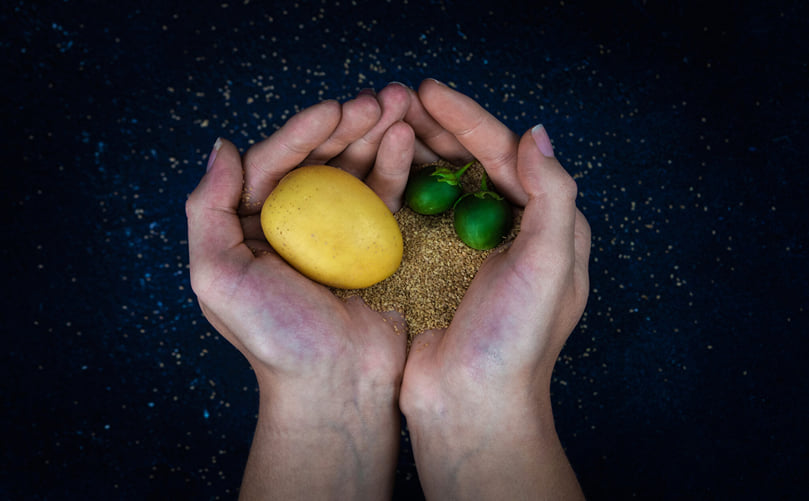
Hybrid Potato Breeding: Visualizing the Next Generation of Potato Innovation
Advanced Modern Breeding Technologies in Potato Improvement
Modern breeding technologies complement conventional breeding methods by improving selection accuracy, accelerating genetic gain and reducing the time required to develop superior potato cultivars. These advanced tools are particularly valuable for complex traits such as yield, disease resistance, abiotic stress tolerance and quality characteristics.
Marker Assisted Selection (MAS): MAS uses DNA markers linked to specific genes or quantitative trait loci (QTLs) associated with desirable traits such as disease resistance, tuber quality and stress tolerance. It enables early and non-destructive selection of promising genotypes, reducing reliance on lengthy field evaluations.
QTL Mapping: Quantitative Trait Loci (QTL) mapping identifies genomic regions controlling complex traits through linkage analysis in segregating populations. This approach helps breeders understand the genetic basis of important traits such as yield, tuber quality and resistance to diseases and environmental stresses.
Genomic Selection (GS): Genomic selection predicts the breeding value of individuals using genome wide molecular markers and statistical prediction models. It is particularly effective for polygenic traits controlled by multiple genes, such as yield, maturity and stress tolerance. GS reduces dependence on extensive phenotyping and accelerates selection cycles.
Genome Wide Association Studies (GWAS): GWAS examines diverse germplasm collections to identify associations between genetic markers and target traits. This approach helps uncover novel alleles from landraces and wild relatives, broadening the genetic base available for potato improvement.
Bioinformatics in Potato Breeding: Bioinformatics integrates large-scale genomic datasets, reference genome assemblies (such as the DM1-3 potato genome) and computational tools for variant detection, gene discovery and predictive breeding. These tools support data driven decision-making in breeding programs.
High Throughput Genotyping: Technologies such as SNP arrays and next generation sequencing facilitate rapid, large-scale and cost-effective screening of thousands of breeding lines and clones, improving selection efficiency and genetic characterization.
Collectively, these modern breeding technologies shorten breeding timelines, enhance selection precision, increase genetic gain and support the development of climate resilient, high performing potato varieties for global agriculture.

Next-Generation Innovations Transforming Potato Breeding and Research
Advanced Biotechnology in Potato Breeding
Biotechnology plays a vital role in modern potato breeding by enabling rapid multiplication, pathogen elimination, germplasm conservation and the introduction of novel genetic variation. These technologies complement conventional breeding by improving breeding efficiency, accelerating variety development and enhancing the quality of planting material.
Tissue Culture: Tissue culture is a fundamental biotechnology tool used for the rapid multiplication of disease-free planting material and long-term germplasm conservation. It provides a controlled environment for maintaining elite genetic material and supports clean seed production systems.
Meristem Culture and Micropropagation: Meristem culture involves the use of apical meristems to regenerate virus-free plantlets as meristematic tissues are often free from systemic pathogens. Micropropagation enables the large-scale clonal multiplication of elite potato genotypes, ensuring uniformity and rapid seed multiplication.
Micro tuber Production: Micro tubers are small tubers produced under in vitro conditions and are widely used in seed potato systems for storage, transport and multiplication. They provide a disease-free source of propagating material and facilitate year-round seed production.
Somatic Hybridization and Protoplast Fusion: Somatic hybridization involves the fusion of protoplasts (plant cells without cell walls) from sexually incompatible species including wild Solanum relatives. This technique enables the transfer of valuable traits such as disease resistance, pest tolerance and abiotic stress adaptation that may not be accessible through conventional crossing.
Haploid Breeding and Doubled Haploids: Haploid breeding is used to produce dihaploids (2x) from cultivated tetraploid potatoes (4x), simplifying genetic complexity and facilitating breeding efforts. Doubled haploids help accelerate the development of homozygous parental lines making genetic analysis and trait introgression more efficient.
These biotechnological approaches strengthen potato breeding programs by improving propagation efficiency, enhancing disease management, broadening genetic diversity and supporting the faster development of superior potato varieties.
Gene Editing and Genetic Engineering in Potato Breeding
Gene editing and genetic engineering are transforming potato breeding by enabling precise modification of target traits with greater speed and accuracy than conventional breeding. Technologies such as CRISPR-Cas systems, RNA interference (RNAi) and transgenic approaches allow breeders to introduce or modify desirable characteristics, sometimes without incorporating foreign DNA, depending on the technique and regulatory framework.
Applications in Potato Improvement
Late Blight Resistance: Gene editing can improve resistance to late blight by modifying susceptibility genes or introducing/staking resistance (R) genes, reducing dependence on fungicide applications.
Virus Resistance: Resistance to viruses such as Potato Virus Y (PVY) can be enhanced through targeted genetic modifications helping improve yield stability and seed quality.
Improved Processing Quality: Editing genes associated with enzymatic browning and sugar accumulation, such as polyphenol oxidase (PPO) genes, can reduce bruising, browning and acrylamide formation during frying and processing.
Enhanced Nutritional and Agronomic Traits: Gene editing can improve nutritional quality, starch composition, drought tolerance and herbicide tolerance, contributing to more resilient and market-oriented potato varieties.
A notable example is the Innate Potato developed by J.R. Simplot Company. This commercially approved RNAi-based potato variety was designed to reduce enzymatic browning and black spot bruising, lower acrylamide formation during cooking and improve resistance to certain diseases.
Regulatory Concerns and Public Acceptance
The regulation of gene edited potatoes varies considerably across countries. Some nations classify certain CRISPR-edited crops as non-GM when no foreign DNA is introduced, while others regulate them under strict genetically modified organism (GMO) frameworks. Public acceptance remains an important challenge due to concerns about food safety, environmental impact and biotechnology ethics. However, growing interest in sustainable agriculture, reduced pesticide use and improved food security is increasing support for these technologies in crop improvement.
Accelerating Potato Improvement Through Speed Breeding
Speed breeding in potato aims to accelerate the breeding cycle by optimizing environmental conditions and integrating advanced propagation techniques. Since conventional potato breeding is time consuming due to its tetraploid nature and clonal propagation, speed breeding offers a promising strategy to shorten variety development timelines.
Controlled Environment Breeding: Controlled environment systems use extended photoperiods (long-day conditions), optimized temperature regimes, controlled humidity and tailored light quality to accelerate plant growth, flowering, berry formation and true potato seed production. These conditions help breeders rapidly advance generations while maintaining plant health and reproductive efficiency.
Rapid Generation Cycling: Rapid generation advancement combines speed breeding protocols with techniques such as tissue culture, in vitro propagation and grafting to achieve multiple breeding cycles within a year. Approaches such as apical rooted cuttings, mini-tuber production and accelerated seedling development can substantially reduce generation time compared to field-based breeding.
Tissue Culture Integration and Rapid Phenotyping: The integration of tissue culture enables rapid multiplication of elite germplasm, disease-free planting material production and early-stage screening of breeding populations. Combined with rapid phenotyping tools, breeders can evaluate growth, stress tolerance, disease response and tuber development more efficiently under controlled conditions.
Benefits of Speed Breeding: Speed breeding has the potential to reduce the conventional potato breeding timeline from approximately 10–15 years to nearly half, depending on breeding objectives and selection intensity. It also enables faster responses to emerging challenges such as climate change, evolving pest and disease pressures and changing market demands. The approach becomes even more powerful when integrated with genomics, marker-assisted selection, genomic prediction and hybrid breeding systems, significantly accelerating genetic gain.
Advanced Phenotyping Approaches in Potato Breeding
Accurate phenotyping is essential in potato breeding because it enables breeders to identify superior genotypes for complex traits such as yield, disease resistance, stress tolerance and processing quality. Reliable trait measurement is particularly important for improving selection accuracy in large breeding populations.
Traditional Phenotyping: Traditional phenotyping relies on manual observations, visual scoring and destructive sampling to assess traits such as plant vigor, tuber yield, disease severity and quality parameters. Although widely used, these methods are often labor intensive, time consuming, subjective and difficult to scale for large breeding programs.
Drone-Based Phenotyping (UAVs): Unmanned Aerial Vehicles (UAVs) equipped with multispectral, hyperspectral, RGB and thermal sensors enable rapid monitoring of canopy growth, biomass accumulation, nitrogen status, water stress and disease symptoms across large breeding fields. These systems improve efficiency by enabling high throughput, non-destructive data collection.
Remote Sensing and Imaging Technologies: Advanced imaging methods use vegetation indices such as the Normalized Difference Vegetation Index (NDVI), chlorophyll fluorescence, thermal imaging and 3D canopy modeling to monitor plant performance non-destructively. These technologies help breeders assess physiological responses, growth dynamics and stress conditions with greater precision.
Sensors and AI-Assisted Phenotyping: The integration of sensors, automation and artificial intelligence (AI) enables breeders to analyze large datasets and identify patterns related to stress tolerance, disease progression, nutrient status and yield prediction. Machine learning algorithms support faster and more accurate decision making in breeding programs.
Key Traits Evaluated: Important phenotypic traits in potato breeding include canopy development, tuber yield and quality, abiotic stress responses, disease resistance, biomass accumulation, maturity and tuber characteristics such as size, shape, dry matter and skin quality. High-throughput phenotyping significantly improves selection accuracy and efficiency, especially when integrated with genomic tools and precision breeding approaches in modern potato improvement programs.
Potato Breeding for Diverse Market Segments
Potato breeding must address highly diverse market demands across the world, ranging from subsistence farming systems in developing regions to highly specialized processing industries in Europe and North America. Breeders develop varieties tailored to specific end uses by balancing agronomic performance, quality traits, consumer preferences and industrial requirements. This market-oriented breeding approach ensures potatoes meet the needs of farmers, processors, retailers and consumers across different regions.
Table Potato Breeding (Fresh Market): Fresh market or table potato breeding focuses on developing varieties with strong visual appeal, superior culinary quality and longer shelf life for direct consumption. Key breeding priorities include attractive skin and flesh colors (white, yellow, red, purple or bi-colored), uniform tuber shape and size, smooth skin texture, shallow eyes and resistance to bruising. Cooking quality traits such as suitability for boiling, baking, roasting or mashing along with flavor and texture are also major selection criteria. Increasingly, breeders are emphasizing nutritional quality and enhanced micronutrient content to meet evolving consumer demands in markets across Asia, Africa and Latin America.
Breeding Potatoes for Processing Industries
Chip Potato Breeding: Potatoes intended for chip production require highly specialized traits to maintain processing quality. Breeding priorities include low reducing sugar content to minimize browning and acrylamide formation during frying, high dry matter or specific gravity for improved crispness and processing efficiency and uniform round tuber shape for consistent slicing. Long dormancy and good storage performance are also important to ensure year-round supply for the processing industry.
French Fry Potato Breeding: French fry potato breeding emphasizes long oblong tuber shape, high dry matter content and low reducing sugar accumulation during storage, particularly under cold conditions to maintain desirable fry color and texture. Varieties within the russet potato class are widely preferred in North American and European processing industries due to their suitability for long fries and high processing efficiency.
Starch Potato Breeding: Starch potato breeding focuses on maximizing starch content, tuber yield and processing efficiency for industrial applications. These varieties are primarily developed for starch extraction industries, where potato starch is used in food manufacturing, paper production, textiles, adhesives and biodegradable materials. Starch-focused breeding programs are especially important in countries such as Germany, Netherlands and parts of China.
Specialty Potato Breeding: Specialty potato breeding targets premium and niche markets by developing varieties with unique characteristics such as colored flesh (purple, red or blue), distinctive flavors, enhanced texture and elevated nutritional profiles. These potatoes often contain high levels of antioxidants, particularly anthocyanins and carotenoids and may be biofortified with nutrients such as iron or zinc. Although specialty varieties may sometimes produce lower yields than mainstream cultivars, they often command higher market value in gourmet, organic and health-conscious food sectors.
Regional Breeding Priorities and Market Adaptation: Breeding priorities vary significantly by region based on environmental conditions, consumer preferences and industry requirements. In tropical and subtropical regions, breeders prioritize heat tolerance, drought resilience and disease resistance, while industrialized markets place greater emphasis on processing quality, storage performance and uniformity. Across all regions, resistance to major diseases and climate resilience remain central objectives. This market segmentation strategy ensures potato varieties can effectively meet both smallholder farming needs and large-scale commercial demands while supporting food security, sustainability and profitability.
Seed Systems and Their Role in Potato Breeding
Effective seed systems are critical in potato breeding because potatoes are vegetatively propagated and highly prone to seed degeneration, which refers to the accumulation of viruses, bacteria and other pathogens over successive generations leading to reduced yield and seed quality.
Key Components of Potato Seed Systems
Seed Tubers: Traditional potato production relies on seed tubers, which are multiplied under field conditions and commonly certified through multi-generation systems, ranging from pre-basic seed to certified seed to maintain quality and varietal purity.
Mini-Tubers: Mini-tubers are produced in greenhouses or protected structures from tissue culture derived plantlets and serve as a clean starting material for further multiplication.
Aeroponic Seed Production: In aeroponic systems, plant roots are suspended in air and periodically misted with nutrient solutions. This method can produce 40–100 mini-tubers per plant, compared to approximately 5–10 tubers in soil-based systems. Aeroponic production is highly disease-free, water-efficient (saving up to 95% water) and particularly suitable for rapid seed multiplication in tropical and subtropical regions.
Tissue Culture Derived Systems: Tissue culture techniques, especially meristem culture is used to produce virus-free plantlets and micro tubers, providing clean foundation seed material for multiplication programs.
Certified Seed Programs: Certified seed systems are regulated through phytosanitary standards, virus indexing, quality testing and traceability measures to maintain seed health and planting quality.
Major Potato Breeding Programs Worldwide
Global potato breeding programs combine public sector research focused on food security and sustainability with private sector innovation aimed at commercial and processing markets. These programs play a critical role in developing improved potato varieties with higher yields, disease resistance, climate resilience and enhanced processing quality for diverse global markets.
International Potato Center (CIP, Peru): The International Potato Center (CIP), a part of the CGIAR network maintains one of the world’s largest potato germplasm collections, conserving approximately 9,000 potato accessions. Its breeding efforts focus on climate resilience, late blight resistance, nutritional improvement (biofortification) and developing varieties suitable for smallholder farmers across Asia, Africa and Latin America. CIP also collaborates extensively with national agricultural programs to improve regional adaptation.
USDA Potato Breeding Programs (United States): The United States Department of Agriculture (USDA) operates potato breeding programs in locations such as Aberdeen (Idaho), Orono (Maine) and Prosser (Washington). These programs emphasize processing quality, russet potato improvement, disease resistance, storage performance and fresh market traits. Several commercially important varieties, including Atlantic and Clearwater Russet, have had major impacts on potato production and processing industries.
Wageningen University & Research (Netherlands): Wageningen University & Research is a global leader in potato genomics, sustainable breeding and hybrid potato development. The institution collaborates with breeding companies, including Solynta to advance true potato seed systems, diploid hybrid breeding and sustainable potato production for European and international markets.
ICAR–Central Potato Research Institute (India): The ICAR-Central Potato Research Institute (CPRI) is India’s leading potato research institute, focusing on the development of subtropical adapted potato varieties with improved heat tolerance, disease resistance and virus resistance for Indian and South Asian growing conditions.
Other Major Potato Breeding Regions
Europe: European potato breeding is strongly driven by private breeding companies such as HZPC and Agrico, which focus on processing, export-oriented and climate resilient potato varieties.
China: As the world’s largest potato producer, China places strong emphasis on breeding for high yield, disease resistance, food security and processing quality to support its expanding potato industry.
Latin America: In Latin America, breeding programs led by CIP focus on Andean adaptation, disease resistance and conservation of native potato diversity helping support both food security and biodiversity.
Global Collaboration in Potato Breeding: Collaboration among international research centers, universities, national agricultural institutes and private companies plays a vital role in accelerating potato improvement. Shared germplasm, genomic tools and breeding knowledge contribute significantly to the development and global dissemination of improved potato varieties.
Breakthroughs and Success Stories in Potato Breeding
Potato breeding has achieved several important successes in improving disease resistance, climate adaptability, processing quality, nutritional value and breeding efficiency. These advancements have contributed to improved productivity, reduced input use and better adaptation to changing environmental conditions.
Late Blight Resistance: The development of late blight resistant potato varieties is one of the major achievements in potato breeding. Varieties such as CIP-Matilde and 3R-gene potato lines, developed through both conventional and transgenic approaches have significantly reduced fungicide dependence in parts of Africa and Asia. Hybrid potato varieties developed by Solynta have also shown strong field resistance to major diseases.
Heat Tolerant Potato Varieties: The development of heat tolerant potato varieties has enabled potato cultivation under warmer climatic conditions. Varieties such as Kufri Lima in India and Israeli-bred potato lines support potato production in warmer regions helping address climate related challenges.
Processing Potato Cultivars: Potato breeding has greatly improved processing cultivars for industrial use. The Atlantic variety developed in the United States remains a widely used standard for potato chip production, while modern russet potato varieties are valued for superior French fry quality and processing performance.
Biofortified Potato Varieties: Breeding efforts have also focused on biofortified potatoes with enhanced levels of iron, zinc, vitamins and other nutritional compounds helping improve dietary nutrition in developing regions.
Hybrid Potato Developments: The development of diploid F1 hybrid potatoes, particularly by Solynta, represents a major advancement in potato breeding. These hybrids offer greater uniformity, disease-free true potato seed (TPS) and faster breeding progress.
Impact of Breeding Successes: These success stories demonstrate the important role of potato breeding in improving yield stability, reducing input requirements and expanding potato cultivation into new production environments.
Emerging Trends and Future Directions in Potato Breeding
The future of potato breeding will increasingly rely on advanced technologies and integrated breeding approaches to accelerate variety development and improve precision. By combining genomics, artificial intelligence, phenotyping technologies and gene editing, breeders aim to develop more resilient, productive and sustainable potato varieties to meet future agricultural demands.
AI-Assisted and Predictive Breeding: Artificial intelligence (AI) and machine learning integrated with genomic selection (GS) are expected to play a major role in potato breeding by predicting varietal performance and accelerating selection decisions. These tools help breeders analyze large datasets and improve breeding efficiency.
Digital Breeding Platforms: Modern digital breeding platforms integrate multi-omics data, high throughput phenotyping, genomic information and predictive modeling to improve selection accuracy and streamline breeding programs.
Precision Phenotyping: Advanced precision phenotyping technologies including drones, imaging systems, sensors and AI-assisted analysis, enable real-time monitoring of plant traits, stress responses, disease symptoms and crop performance with greater accuracy and speed.
Climate Smart Cultivars: Future breeding efforts will increasingly focus on developing climate smart potato cultivars with improved heat tolerance, drought resilience, water use efficiency and durable disease resistance to address the challenges posed by climate change.
Hybrid Potato Development: The future of potato breeding is expected to include wider adoption of diploid F1 hybrid potatoes derived from true potato seed (TPS), offering greater uniformity, efficient seed distribution and faster breeding progress.
Genome Editing Integration: The integration of genome editing technologies, particularly CRISPR-based approaches will allow precise modification and stacking of desirable traits such as multi-gene late blight resistance, reduced acrylamide formation and improved quality traits, alongside conventional and hybrid breeding systems.
Future Outlook for Potato Breeding: Overall, potato breeding is expected to contribute significantly to sustainable agricultural intensification, helping improve food security, climate resilience and productivity in response to global population growth and environmental challenges.