

Introduction: What Are Coated French Fries?
Coated French fries, also known as batter-coated fries, clear coat fries, stealth fries or crispy coated fries are frozen potato products featuring a thin, engineered external layer typically a starch-based batter or film applied to the cut potato surface before par-frying and freezing.
This distinguishes coated fries from conventional frozen fries, which rely primarily on the potato’s natural surface starches to develop texture after blanching and par-frying. The added coating creates a protective and functional outer layer that significantly improves product performance during cooking, holding and delivery.
What Does “Coating” Mean in Frozen French Fries?
In frozen potato products, a coating refers to a very thin layer of batter typically accounting for around 1–5% of the final product weight applied to the potato surface using specialized batter systems. The coating is commonly formulated using modified starches, potato starch, rice flour, corn starch and other functional ingredients designed to improve texture and durability.
In “stealth” or “clear coat” fries popularized by companies such as Lamb Weston the coating is nearly invisible allowing the fries to retain a natural potato appearance while delivering enhanced crispiness and holding performance. In contrast, heavier visible coatings such as beer battered or tempura style coatings create a thicker more textured exterior with a distinct visual and sensory profile.
Why Are Coated French Fries Used?
Coatings are applied to frozen French fries to improve both product quality and operational performance in foodservice environments. Their primary functions include:
- Creating a moisture barrier that slows steam and moisture migration from the hot potato interior to the fry surface.
- Enhancing surface crispiness and structural integrity.
- Improving heat retention and extending holding time, often maintaining quality for 20–40+ minutes under heat lamps or in delivery packaging.
- Reducing oil absorption in certain formulations.
- Delivering greater consistency in color, texture and yield across high volume foodservice operations.
The growing popularity of coated fries has been strongly influenced by the rapid expansion of quick service restaurants (QSRs), takeaway dining and third-party food delivery services worldwide. Traditional French fries often become soft or soggy within 10–15 minutes inside closed packaging due to condensation and moisture buildup during transport. Coated fries, by contrast are specifically engineered to maintain crispiness, texture and visual appeal for significantly longer periods making them particularly valuable for delivery, drive-thru and high-volume foodservice operations. As a result, coated fries have become a preferred choice for operators seeking to improve customer satisfaction, consistency and reduce food waste.
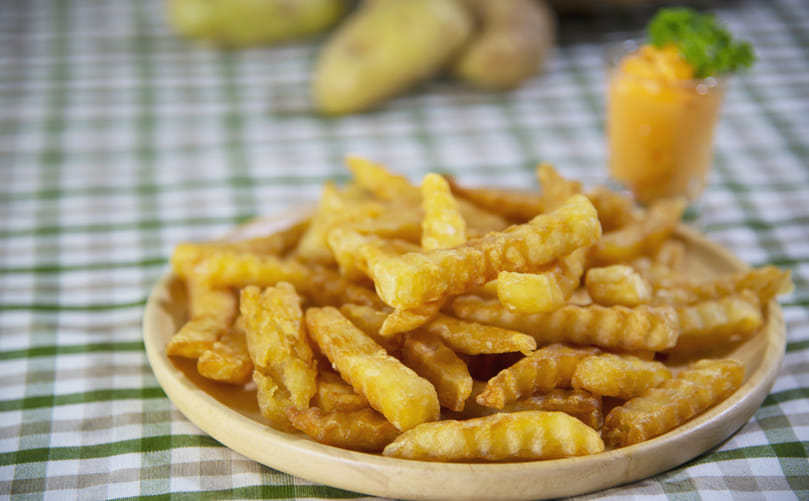
Coated French Fries: Engineered for Crispiness and Extended Hold Time
Evolution of Coated French Fries: From Hold Time Solution to Premium Product
While French fries themselves have a long history often traced back to Belgium and France in the 17th–18th centuries, coated fries are a modern industrial innovation developed primarily in North America to address operational challenges in foodservice.
Early Developments (1980s–1990s): Processors such as Lamb Weston pioneered “Stealth Fries” in the early 1990s French fries with an invisible starch coating designed to remain crispy for longer periods. This innovation addressed a common challenge in foodservice: fries rapidly losing quality under heat lamps or during transport.
Premiumization Trend: The frozen potato industry gradually shifted from basic commodity fries to higher value products offering improved texture, consistency, and holding performance. Foodservice operators increasingly sought fries capable of delivering a premium eating experience without increasing labor requirements or food waste.
Rise of Delivery and Takeaway (2010s–Present): The rapid expansion of food delivery significantly increased demand for coated fries. French fries are among the most widely ordered foodservice items, yet they are highly susceptible to becoming soggy during transit. Coated fries, particularly clear coat varieties were optimized for extended crisp hold times making them well suited for delivery focused operations and cloud kitchens. Products such as SureCrisp from McCain Foods were introduced specifically to address delivery related sogginess.
QSR Consistency Needs: Quick service restaurant (QSR) chains require consistent color, texture and yield across locations and batches. Coatings help reduce variability caused by potato type, fryer conditions and holding times, enabling more uniform product performance.
Technological Advancements: Advances in batter adhesion systems modified starches with improved film forming and heat stable properties and precise application methods such as curtain coating made thin, effective coatings commercially viable without compromising the natural potato appearance and taste.
Today, coated fries represent a significant portion of the premium frozen potato segment. They have evolved from a niche solution for hold time challenges into a mainstream product category driven by convenience, delivery culture and the demand for reliable performance in high volume foodservice operations.
What Is the Coating Made Of in Coated French Fries?
The coating used on French fries is a carefully formulated functional batter designed to improve adhesion, crispiness, moisture retention and overall eating quality. It is typically starch dominant helping fries remain crispy without overpowering the natural potato flavor. The exact formulation varies by manufacturer, intended application and market requirements, but most coated fries rely on a combination of starches, flours and functional ingredients to optimize performance.
Core Functional Ingredients in Fry Coatings Modified starches: These are the primary ingredients in most coated fries and commonly include potato starch, tapioca starch, acetylated starches or cross-linked starches. They create a thin film around the fry that gels during processing and crisps during frying. Modified starches also improve heat stability, reduce moisture loss and help maintain crispness over longer holding times. Potato starch is especially valued for its strong film forming ability and crisp enhancing properties.
Dextrins: Derived from potato or corn, dextrins help improve crispness, minimize blistering and create a smoother coating surface. They also contribute to better texture consistency and appearance.
Flours: Rice flour, corn (maize) flour and wheat flour are commonly used depending on the coating style. Rice flour is particularly popular in glutenfree and clear coated fries because it provides a neutral flavor and light, crispy texture without masking potato taste.
Leavening agents: Ingredients such as baking powder are used in thicker or specialty batters to introduce aeration, creating a lighter and crispier texture. These are more common in beer battered or extra crispy fry formats.
Hydrocolloids, gums and thickeners: These ingredients regulate batter viscosity, improve coating adhesion and stabilize the coating during frying and freezing. They help ensure uniform coating performance across large scale industrial production.
Seasonings and flavor enhancers: In seasoned coated fries, ingredients such as salt, paprika, garlic powder, onion powder and spice blends are incorporated to enhance flavor. Clear coated fries generally contain minimal seasoning to preserve the natural potato profile.
Specialty and Emerging Coating Formulations
Gluten free coatings: Many modern coated fries are formulated without wheat and instead use rice flour, corn flour, potato starch or tapioca starch. This approach supports gluten free positioning while maintaining texture and crispness.
Clean label coatings: Consumer demand for recognizable ingredients has increased interest in clean label formulations that minimize artificial additives and rely on more natural starches and dextrins.
Allergen conscious formulations: Manufacturers increasingly design coatings to avoid major allergens where feasible supported by transparent ingredient labeling and regulatory compliance.
Low oil or health-focused coatings: Some coating technologies are developed to reduce oil absorption during frying by creating more effective moisture and oil barriers supporting lower fat product positioning.
How Coating Thickness Affects French Fry Texture and Performance
Coating thickness varies considerably depending on the intended product performance. Ultra-thin “invisible” or clear coatings are typically starch-based and designed to enhance crispness without noticeably changing appearance or flavor. In contrast, thicker batters provide a more pronounced crunch, stronger flavor delivery and longer hold times in foodservice environments. Coating thickness directly influences texture, oil uptake, visual appeal and crisp retention after cooking.
Commercial formulations are often tailored to different fryer systems, regional preferences and end use applications. Some patented coating systems combine ingredients such as acetylated starch, dextrin and rice flour to optimize adhesion, crispness and holding performance. Ultimately, the coating transforms standard fries into higher-performance products with improved texture, durability and eating quality suitable for retail and foodservice applications.
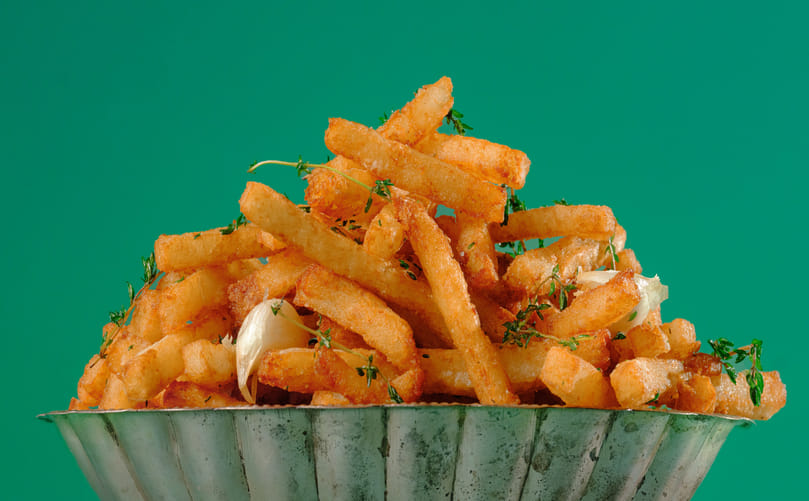
Coated French Fries with Crispy Starch-Based Coating
Manufacturing Process of Coated French Fries
The manufacturing process for coated French fries builds upon the standard frozen French fry production line with additional coating and frying stages to enhance crispness, texture and hold time. Modern production is highly automated to ensure consistency, food safety and large-scale efficiency with industrial facilities capable of processing several tons per hour.
Potato Selection and Receiving: Production begins with the selection of high specific gravity potato varieties, such as Russet or other processing cultivars, chosen for their ideal dry matter content, texture, yield and low reducing sugar levels. Lower sugar content is important to prevent excessive browning during frying. Potatoes are stored under carefully controlled temperature and humidity conditions to maintain processing quality.
Washing and Peeling: Potatoes undergo intensive washing to remove soil, debris and foreign material. Peeling is typically performed using steam peeling, which minimizes flesh loss and improves efficiency, generally resulting in only about 4–7% product loss. Abrasive peeling may also be used depending on plant design. After peeling, optical sorting systems or manual inspection remove defects, blemishes and damaged sections.
Cutting: Peeled potatoes are cut into uniform strips using hydraulic water knife cutting systems, which help maintain consistent size and shape. Standard fry dimensions typically range from 7–12 mm in thickness with common commercial cuts including 1/4-inch and 3/8-inch fries. Following cutting, fries are sorted for size and quality, while undersized, broken or discolored pieces are removed to maintain product uniformity.
Blanching: The potato strips are blanched in hot water, generally between 70–95°C, for several minutes. This step plays multiple critical roles including enzyme inactivation, removal of excess sugars to improve color consistency, partial cooking of the potato interior and enhancement of texture. Proper blanching contributes significantly to final fry quality, flavor and appearance.
Drying and Dewatering: After blanching, excess surface moisture is removed using air blowers, vibratory dewatering systems or belt dryers. Effective drying is essential because excessive moisture can reduce coating adhesion and increase oil absorption during frying. Proper dewatering helps create a more uniform and stable coating layer.
Coating Application: The coating batter is prepared in specialized mixing systems with strict control of temperature, viscosity and ingredient consistency to ensure homogeneous application. Coatings are typically applied using submerged batter systems, curtain coaters or spray technologies. Air knives remove excess batter, producing a thin, even coating that generally accounts for 1–5% of product weight. After coating, fries pass along settling belts that allow the batter to properly adhere before frying.
Par-Frying: Coated fries then undergo partial frying commonly through a two-stage frying system. The initial frying stage helps set the coating making controlled oil flow essential to prevent coating loss during processing. Advanced fryers equipped with oil filtration systems are often used to manage the additional starch load generated by coated products. Par-frying develops the crispy outer shell while partially cooking the potato interior preparing the fries for final preparation by the end user.
Cooling, IQF Freezing and Packaging: Following frying, fries are cooled before undergoing Individual Quick Freezing (IQF), which prevents clumping and preserves product quality. The frozen fries are then packed into poly-lined bags or cartons for retail and foodservice distribution. To maintain texture, quality and shelf life, coated fries are stored and transported at temperatures of −18°C or lower.
Key Technical Considerations in Coated Fry Production
Coating thickness plays a major role in determining final texture, crispness, oil absorption, yield and hold time. Thin “stealth” or clear coatings preserve the natural appearance of fries while enhancing crispness, whereas thicker coatings deliver greater crunch and longer heat retention.
Quality control systems throughout production monitor factors such as color consistency, moisture levels, oil quality and physical defects. Optical sorters and automated inspection technologies help maintain uniform product standards while minimizing waste.
Compared to standard frozen fry production, coated fry manufacturing requires specialized batter handling systems, dedicated coating equipment and additional frying capacity. Advanced patented technologies including dextrin or maltodextrin-based coating systems with controlled pH conditions continue to improve crisp retention and overall product performance in foodservice and retail applications.
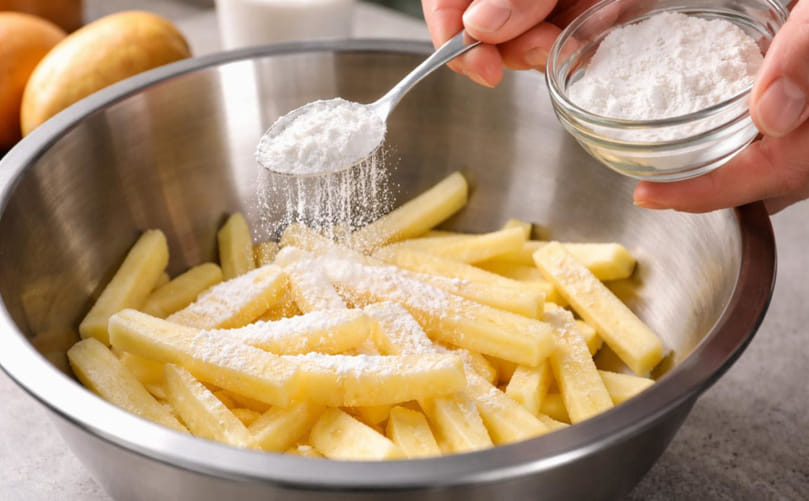
Coating Application on French Fries During Processing
Types of Coated French Fries: Styles, Texture and Performance
Coated French fries are categorized based on coating style, texture, appearance, cut type and performance characteristics. Different coating technologies are designed to meet specific foodservice and retail needs ranging from improved crispiness and longer hold times to enhanced flavor and visual appeal.
Light Coated or Invisible (Stealth / Clear Coated) Fries: Light coated or “stealth” fries feature an ultra-thin, transparent starch-based coating that enhances crispness without noticeably altering the natural appearance of the potato. These coatings are typically formulated using potato starch and other functional ingredients to improve texture and extend holding performance while maintaining a traditional fry appearance. Products such as Lamb Weston Stealth Fries are designed to offer extended crispness often more than double the hold time of standard fries making them particularly suitable for quick service restaurants (QSRs) seeking improved performance without changing product appearance.
Extra Crispy or Heavy Coated Fries: Extra crispy fries use a thicker batter coating to deliver a more pronounced crunch and superior texture retention. The heavier coating improves heat retention and helps fries remain crispy for extended periods, often exceeding 30 minutes under holding conditions. These fries are commonly used in high volume foodservice operations loaded fry applications and delivery-focused menus where maintaining texture is essential. Products such as Lamb Weston Colossal Crisp exemplify this category.
Beer Battered Fries: Beer battered fries are coated with a batter containing beer or beer-derived ingredients, creating a light, airy texture with a distinctive pub style appearance and flavor profile. The carbonation and formulation contribute to a crisp exterior and enhanced visual appeal. Products such as McCain Beer Battered Fries are particularly popular in pubs, sports bars and casual dining restaurants.
Seasoned or Flavored Coated Fries: Seasoned coated fries incorporate spices, herbs or flavor blends directly into the coating or as an exterior seasoning layer. Common flavor profiles include garlic, paprika, ranch, spicy seasoning, cheese and barbecue inspired variants. These fries combine texture enhancement with bold flavor helping operators diversify menus and create premium offerings.
Tempura Coated Fries: Tempura-coated fries use a light Japanese style batter that produces a delicate, airy crisp texture. Compared to heavier coated varieties, tempura coatings tend to be lighter and less dense while still providing improved crunch and visual appeal.
Premium Skin-On Coated Fries: Premium skin-on coated fries retain portions of the potato skin to create a rustic, handcrafted appearance. These fries are often paired with light or textured coatings to balance natural visual appeal with improved crispness and hold performance. They are especially popular in premium restaurant concepts and gourmet foodservice settings.
Key Differences Between Coated Fry Types
Different coated fry styles vary significantly in texture, appearance and holding performance. Light coated or invisible fries provide subtle crispness enhancement while preserving a natural potato look. In contrast, heavy coated and beer battered fries deliver a stronger crunch and more visible texture.
Appearance also differs considerably ranging from nearly invisible coatings to visibly textured, golden or seasoned surfaces. Holding performance generally exceeds that of standard fries across all coated categories, although thicker coatings tend to perform best in delivery and extended holding situations, sometimes maintaining acceptable crispness for 30–60 minutes.
Application suitability also varies by segment. Stealth coated fries are widely preferred in QSR operations where consistency and familiar appearance matter, while beer battered fries fit pub-style menus and seasoned coated fries appeal to operators seeking flavor driven menu differentiation.
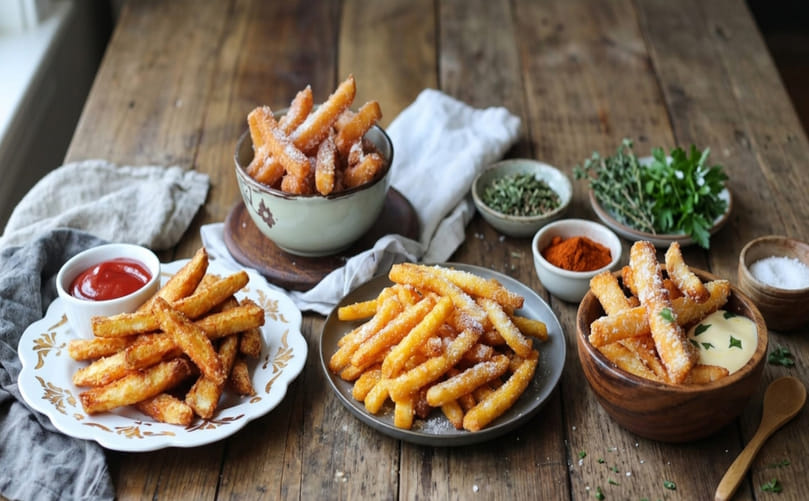
Coated French Fries with Different Textures and Coatings
Why Coated French Fries Are Popular in Foodservice
Coated French fries are widely used in foodservice and retail because they address many of the operational and quality challenges associated with standard fries. By applying a thin functional coating, manufacturers improve crispness, holding performance, texture and overall eating quality, making coated fries especially valuable in modern quick service, delivery and high-volume environments.
Superior Crispiness: One of the primary reasons coated fries are used is their enhanced crispiness. The coating forms a protective outer layer that becomes crispy during frying and helps maintain crunch for a longer period after cooking. Unlike conventional fries, which quickly soften as moisture migrates to the surface coated fries retain a more desirable texture over time.
Longer Hold Time: Coated fries remain crispy and visually appealing significantly longer than standard fries under holding conditions. The coating slows moisture migration helping fries maintain texture under heat lamps, in warming cabinets or during transportation. Depending on the formulation, coated fries may remain acceptable for 30 minutes or longer, while some delivery optimized products are designed to preserve crispness for 40–60 minutes or more.
Improved Heat Retention: The coating also acts as a thermal barrier helping fries stay warm for a longer duration after cooking. Better heat retention improves customer satisfaction, particularly in takeaway and food delivery settings where food temperature often declines during transport.
Better Texture and Mouthfeel: Coated fries are designed to create a desirable contrast between a crispy exterior and a soft, fluffy interior. This texture combination enhances eating quality and provides a more satisfying mouthfeel compared to standard fries that may become limp or soggy shortly after preparation.
Enhanced Delivery and Takeaway Performance: As food delivery continues to expand, coated fries have become increasingly important because they better resist sogginess caused by steam buildup and condensation inside packaging. Since French fries are among the most frequently ordered side items in delivery channels maintaining texture during transport is critical for customer experience and repeat purchases.
Improved Yield and Reduced Waste: The coating contributes additional product weight and helps maintain consistency, which can improve portion yield and reduce waste. Better hold performance means fewer fries are discarded due to quality deterioration, lowering remake rates and reducing foodservice losses.
Greater Operational Efficiency: Coated fries are generally more forgiving of holding times and fryer variability than standard fries. Their consistency makes them particularly suitable for high-volume foodservice operations, where maintaining product quality across busy service periods is essential. Improved tolerance to operational fluctuations can also simplify kitchen management and improve service reliability.
Business and Consumer Benefits: Ultimately, coated French fries help operators deliver more consistent product quality, higher customer satisfaction and improved profitability. By reducing waste, extending hold times and maintaining texture during dine-in, takeaway and delivery, coated fries provide practical performance advantages that align with the demands of modern foodservice systems.
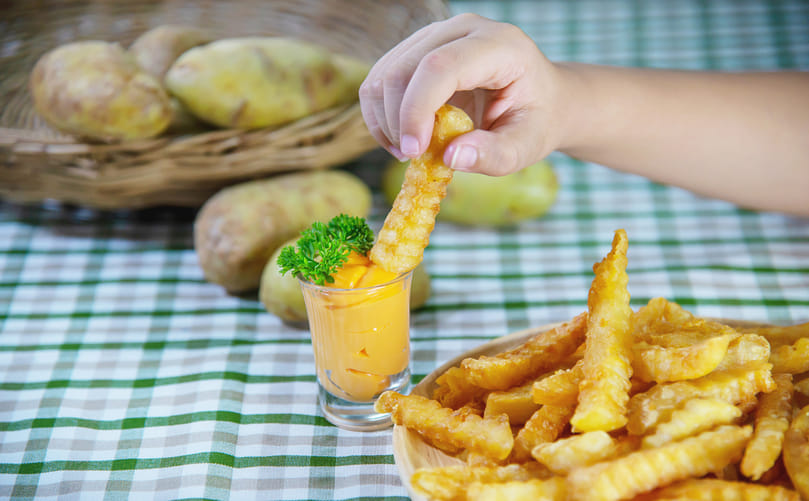
Coated French Fries for Better Foodservice Performance
Applications of Coated French Fries in Foodservice and Delivery
Coated French fries are widely used across foodservice sectors because of their superior crispness, longer hold time and reliable performance under demanding operating conditions. Their ability to maintain texture and quality after cooking makes them particularly valuable in high-volume kitchens, takeaway operations and food delivery services.
Foodservice Applications of Coated French Fries
Quick-Service Restaurants (QSRs): Quick-service restaurants are among the largest users of coated fries due to their need for speed, consistency, and extended hold performance. During peak service hours, fries may remain under heat lamps or in holding stations before serving. Coated fries help maintain crispness and visual appeal for longer periods, supporting consistent customer experiences and operational efficiency.
Fast Casual and Casual Dining Restaurants: In fast casual and casual dining settings, coated fries are commonly used for premium side dishes, loaded fries, appetizers and specialty menu items where texture is important. Their enhanced crunch and improved plate performance help create a higher quality eating experience.
Hotels, Resorts and Institutional Catering: Hotels, resorts, cafeterias and institutional foodservice providers often rely on coated fries because of their dependable performance during banquet service and high-volume meal preparation. Extended hold times help maintain quality when serving large numbers of guests over prolonged periods.
Catering, Entertainment and Event Venues: Entertainment venues such as cinemas, sports stadiums, amusement parks and event catering operations benefit from coated fries because they remain crispy longer despite delayed consumption. Their improved durability helps maintain product quality in busy service environments.
Cloud Kitchens and Delivery Focused Operations: Cloud kitchens and delivery-oriented restaurants increasingly depend on coated fries to maintain quality during off-premises transportation. Since delivery times can significantly affect texture, coated fries provide a more reliable solution than traditional uncoated products.
Why Foodservice Operators Prefer Coated Fries?: Foodservice operators prefer coated fries because they deliver greater consistency, require less preparation labor and offer more reliable finished quality than uncoated alternatives. Their extended holding performance reduces waste and remake rates while improving customer satisfaction.
Coated French Fries in Delivery and Takeaway
Food delivery and takeaway services have become one of the biggest growth drivers for coated French fries. Traditional fries often lose crispness within 5–15 minutes inside sealed packaging due to moisture migration and condensation buildup. Coated fries are specifically designed to overcome this challenge by creating a protective barrier that improves structural stability and texture retention during transport.
Superior Crisp Hold Performance: Coated fries are engineered to maintain crispness for significantly longer periods, often remaining acceptable for 30–60 minutes or more depending on the formulation and packaging system. Delivery-focused products such as Lamb Weston Crispy on Delivery and Simplot Conquest Delivery+ are specifically designed to preserve texture during transport.
Better Packaging Compatibility: Coated fries perform particularly well in vented or breathable packaging systems that help reduce condensation buildup. Proper packaging design complements coating technology by allowing steam to escape rather than accumulating inside containers.
Steam and Moisture Resistance: The protective coating slows moisture migration and reduces softening caused by trapped steam inside takeaway packaging. This helps fries retain their crisp texture even during longer delivery times.
Improved Consumer Experience: Because coated fries arrive hotter and crispier, they contribute to better customer satisfaction and stronger repeat purchase behavior. Texture retention during transport has become increasingly important as fries remain one of the most frequently ordered food delivery side items.
Coated vs. Non-Coated Fries in Delivery: Compared with standard fries, coated fries significantly outperform in takeaway and delivery environments. While uncoated fries tend to soften quickly during transport, coated versions maintain better texture, appearance and overall eating quality. This performance advantage has made coated fries increasingly important in modern food delivery systems, where maintaining food quality during transit is essential to meeting customer expectations and reducing complaints.
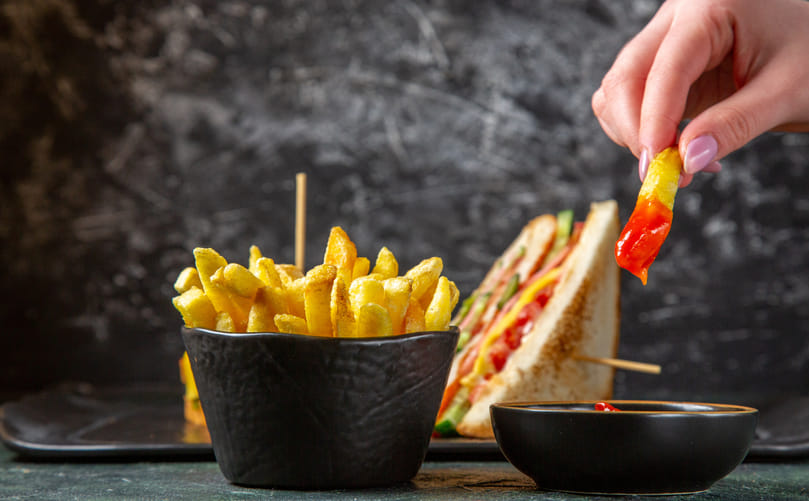
Coated French Fries Used in Foodservice and Delivery
Nutritional and Health Considerations of Coated French Fries
Coated French fries generally have a nutritional profile similar to standard frozen fries,although slight differences may occur due to the coating composition and its effect on oil absorption. Nutritional values vary depending on frying method, coating formulation, seasoning, serving size and oil type. On average, a 100 g serving of deep-fried French fries whether coated or uncoated contains approximately 196–319 calories, 13–17 g fat, 18–41 g carbohydrates and 141–357 mg sodium.
Calories and Fat Content: The starch-based coating can slightly increase calorie content because it adds additional carbohydrates to the product. However, some coating technologies are specifically designed to act as moisture and oil barriers, which may reduce oil absorption during par-frying and final preparation. In certain cases, coated fries have been shown to absorb slightly less oil than standard fries, potentially lowering fat uptake by approximately 1–2 g per serving depending on cooking conditions and oil type.
Sodium Levels Sodium content: in coated fries can be higher than in standard fries, particularly in seasoned or flavored variants where salt and flavor enhancers are incorporated into the coating. Depending on the formulation, sodium levels may range from approximately 200–400 mg per 100 g in some products.
Protein, Fiber and Micronutrients: French fries, whether coated or uncoated, generally contain limited amounts of protein and dietary fiber, typically around 2–4 g of protein per serving. Processing steps such as blanching and frying can reduce certain heat sensitive nutrients including vitamin C and some B vitamins.
Acrylamide Formation and Processing: Considerations Like many fried potato products, coated French fries may form acrylamide during high-temperature cooking. Acrylamide is a naturally occurring compound that develops when starchy foods are cooked at high heat. To minimize formation manufacturers use controlled blanching to remove excess sugars and optimize frying temperatures and processing conditions.
Consumer Perception and Industry Trends: Some consumers perceive coated fries as more processed because of the added functional ingredients used in coatings. This has increased demand for cleaner ingredient labels and simpler formulations.
In response, manufacturers are increasingly developing gluten free, clean label, lower sodium and reduced oil coated fries to align with changing consumer preferences. Air fryer compatibility is also becoming more common, allowing consumers to prepare fries using substantially less oil than traditional deep frying, which may significantly reduce overall fat intake.
A Balanced Perspective on Coated Fries: Coated French fries remain an energy dense food and are generally best consumed in moderation as part of a balanced diet. Portion control and pairing fries with vegetables, lean protein or healthier side options can help improve overall meal quality.
Although coatings slightly modify nutritional composition, they primarily enhance product performance such as crispness, hold time and texture without creating major nutritional disadvantages when formulated appropriately.
Challenges and Limitations of Coated French Fries
Although coated French fries offer significant advantages in terms of crispiness, hold time and operational performance, they also present certain challenges and limitations. Manufacturers and foodservice operators must balance these trade-offs when selecting coated products for commercial use.
Higher Production Costs: Coated fries are generally more expensive to produce than standard fries due to additional ingredients such as modified starches and hydrocolloids, specialized batter application equipment and extra processing steps. These factors can increase production costs by approximately 10–30% compared to conventional fries. Volatility in raw material prices including potatoes, edible oils and energy, can further add cost pressure.
Ingredient and Label Complexity: Some consumers prefer natural or minimally processed foods and coatings may raise concerns about additives and ingredient complexity. As a result, ingredient transparency and labeling have become increasingly important.
Texture Inconsistencies: Improper coating application or frying conditions can result in uneven coating, blistering or sogginess if the process is not carefully optimized.
Consumer Preference: Some consumers perceive coated fries as less authentic or overly processed, preferring fresh cut or non-coated fries for their more natural appearance and simpler ingredient profile.
Operational Requirements: Coated fries require precise fryer management, oil filtration and handling practices to maintain consistent quality. Not all kitchens are equally equipped to optimize their performance.
Supply Chain Challenges: Variability in potato quality, climate related impacts on crop yields and cold chain logistics challenges in some regions can affect production consistency and availability.
Manufacturers continue to address these limitations through innovation in clean label coatings and improvements in processing efficiency.
Coated vs Non-Coated French Fries: Which Is Better?
Coated and non-coated French fries differ significantly in performance, texture, cost and suitability for modern foodservice applications. The biggest advantage of coated fries is their superior crispiness. The protective outer layer helps maintain crunch for a longer period, whereas non-coated fries are crispy immediately after frying but tend to soften quickly as moisture migrates to the surface.
Hold time is another major difference. Coated fries can typically maintain acceptable quality for 20–60+ minutes under heat lamps or during transport, depending on the formulation. In contrast, non-coated fries generally begin losing crispness within 5–15 minutes making them more vulnerable to sogginess.
In terms of heat retention, coated fries perform better because the coating acts as a thermal barrier helping fries stay warmer for longer periods. Non-coated fries cool faster after cooking, particularly in takeaway and delivery environments.
Delivery suitability is one of the strongest advantages of coated fries. Their moisture resistant coating helps protect against steam and condensation during transport, significantly reducing sogginess. Non-coated fries, on the other hand, often struggle to maintain texture during delivery and takeaway.
Texture and mouthfeel vary based on consumer preference. Coated fries typically deliver a crisp exterior with a soft, fluffy interior, while non-coated fries offer a more natural potato texture and traditional eating experience.
Oil absorption can also differ between the two products. Many coated fries are designed with barrier properties that may reduce oil uptake during frying, whereas non-coated fries may absorb more oil under certain cooking conditions.
Cost is an important consideration. Coated fries are generally more expensive due to additional ingredients, specialized coating systems and more complex manufacturing processes. Non-coated fries are usually more economical to produce and purchase.
From an appearance perspective, non-coated fries offer a pure potato look, while coated fries range from nearly invisible “stealth” coatings to visibly textured styles. Thin clear coatings can closely resemble natural fries making appearance less of a differentiating factor in some applications.
Coated fries also help reduce waste and improve yield because they maintain quality longer and require fewer remakes. Non-coated fries are more likely to be discarded when texture declines during holding.
However, non-coated fries are often perceived as more natural because they contain fewer ingredients and no added coating layer. some consumers prefer them for their simpler ingredient profile and more natural appeal.
Overall, coated fries are better suited for modern foodservice environments where delivery, long hold times and operational consistency are priorities. Non-coated fries remain preferred in settings that emphasize traditional potato flavor, simplicity and a more natural appearance.
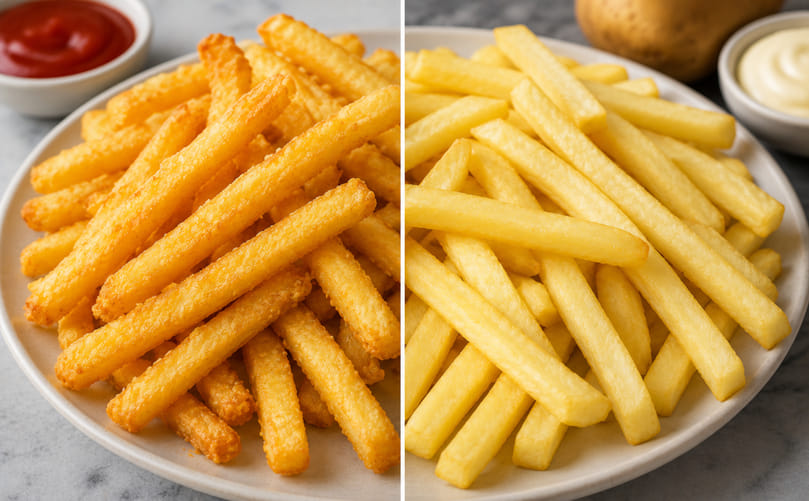
Comparing Coated and Non-Coated French Fries
Sustainability and Efficiency of Coated French Fries
Coated French fries can contribute positively to sustainability and operational efficiency in foodservice by helping reduce waste and improve kitchen performance.
Reduced Food Waste: One of the key sustainability benefits of coated fries is reduced food waste. Their longer hold time helps maintain crispness and quality for extended periods, reducing the number of fries discarded due to sogginess or texture loss during service.
Energy and Operational Efficiency: Because coated fries maintain quality longer, kitchens may require fewer remakes and less repeated frying, which can improve energy efficiency in foodservice operations. In some production systems, coatings may also contribute to better yield and more consistent product performance.
Packaging Compatibility: Coated fries are well suited for vented and breathable packaging systems that help reduce condensation during takeaway and delivery. These packaging formats can improve product quality while supporting efforts to optimize packaging material use.
Broader Sustainability Efforts: Across the potato processing industry, manufacturers are increasingly investing in sustainable potato sourcing, water recycling systems, peel and by-product utilization for applications such as animal feed or biogas and more energy efficient processing technologies. In some cases, oven finishing instead of deep frying may help reduce greenhouse gas emissions compared with traditional preparation methods.
Ongoing Challenges: Despite these advantages, challenges remain related to frying energy requirements and packaging waste. However, continued innovation in recyclable packaging materials, lightweight films and circular production practices is helping improve the sustainability profile of coated French fries.
Market Trends and Industry Growth of Coated French Fries
The global French fries market, including coated French fries continues to grow steadily driven by expanding foodservice demand, delivery growth and premium product innovation. The market is estimated to be valued at approximately USD 17–28 billion in 2025 and is projected to grow at a compound annual growth rate (CAGR) of 5–7% through 2030–2034 reaching an estimated USD 24–40 billion. Within this broader category, coated and premium fry segments are growing faster due to increasing demand for products with better performance and convenience.
Delivery-Driven Demand: The growth of takeaway and food delivery has significantly increased demand for coated fries. Because coated fries maintain crispness and texture longer than conventional fries, they are increasingly preferred for off-premise dining and transport sensitive foodservice models.
Premiumization: Foodservice operators are increasingly moving toward premium fry offerings including seasoned, extra crispy, beer battered and specialty coated products. Premium fries help restaurants differentiate menus and improve customer experience through enhanced texture and flavor.
Clean Label and Health-Focused Innovation: Consumer demand for healthier and more transparent food products is encouraging manufacturers to develop air fryer friendly, lower oil, gluten free and clean label coated fries with simpler ingredient profiles and fewer artificial additives.
Flavor Innovation: Manufacturers continue to introduce new seasoning profiles and flavor combinations to meet changing consumer preferences. Spicy, garlic, smoky, herb-based and globally inspired flavors are becoming increasingly popular in coated fry products.
Sustainability Focus: Sustainability is becoming an important trend across the frozen potato industry. Manufacturers are investing in recyclable packaging, energy efficient production systems, responsible sourcing practices and waste reduction strategies to improve environmental performance.
Regional Growth Patterns: North America and Europe remain major markets for coated fries due to mature QSR sectors and high frozen food consumption. At the same time, demand is expanding rapidly in Asia and other emerging markets, supported by increasing urbanization, rising disposable incomes and the continued expansion of quick service restaurant chains.
Overall, coated French fries are benefiting disproportionately from trends such as convenience, premiumization and off-premise dining, positioning them as one of the faster growing segments within the frozen potato category.
Leading Manufacturers and Industry Players in Coated French Fries
Several major global potato processors play a leading role in the development and commercialization of coated French fries. These companies continue to invest in coating technologies, product differentiation and foodservice-focused innovation to meet evolving market demands.
Lamb Weston: Lamb Weston is widely recognized for its innovation in coated fries, particularly stealth or clear coat technologies and premium crisp products such as Colossal Crisp™. The company focuses heavily on delivery performance, extended hold times and customized solutions for QSRs and foodservice operators. Product development is strongly driven by operational performance and consumer eating experience.
McCain Foods: McCain Foods is one of the largest frozen potato processors globally and offers a broad range of coated fry products including SureCrisp and beer battered varieties. The company has focused on coating performance, clean label innovation and products designed for delivery and takeaway applications.
J.R. Simplot Company: J.R. Simplot Company has developed delivery-focused coated fry solutions including the Conquest product line, designed to maintain crispness and quality during transport and extended holding.
European Industry Leaders: European processors such as Aviko, Farm Frites and Agristo are important players in coated fry innovation. These companies emphasize product quality, sustainability and specialty coated offerings tailored to foodservice and retail markets.
Other Important Manufacturers: Companies such as Cavendish Farms and Lutosa also maintain strong positions in premium and textured coated fry categories, offering products designed for enhanced crispness and operational consistency.
Across the industry, manufacturers differentiate themselves through research and development in batter technologies, frying optimization, product customization and sustainability initiatives while supplying major restaurant chains, QSR operators and retail customers worldwide.
Future Outlook of Coated French Fries
Coated French fries are expected to experience continued growth as manufacturers respond to changing consumer preferences, delivery trends and technological advancements. Future innovation is likely to focus on improving product performance, health positioning and sustainability while maintaining the texture and convenience advantages that coated fries provide.
Smarter Coating Technologies: Future coating systems are expected to incorporate more advanced starches and hydrocolloids to further improve crisp retention and moisture control. These innovations may help coated fries maintain texture for even longer periods during holding, takeaway and delivery.
Healthier Formulations: Manufacturers are increasingly exploring lower oil formulations, cleaner ingredient profiles and functional ingredients such as fiber-enriched coatings. Demand for gluten free, plant-based and air fryer compatible products is also expected to continue growing.
Technology Integration: Advances in automation and digital technologies are likely to improve production efficiency and consistency. Artificial intelligence (AI) and predictive quality systems may increasingly support process optimization, quality control and product customization.
Sustainability Improvements: Sustainability will remain a major focus area for processors. Efforts are expected to include more efficient energy and water use, lower emissions, sustainable ingredient sourcing and improvements in recyclable or circular packaging systems.
Market Expansion: Growth opportunities are expected in both foodservice and retail sectors. Premium coated fries are likely to expand further in retail and air fryer segments, while increasing urbanization, delivery growth and QSR expansion may support stronger adoption in emerging markets.
Product Innovation: Future innovation may include hybrid coatings, advanced flavor delivery systems and multifunctional coatings designed to combine crispness, texture retention and additional nutritional benefits.
Overall, coated French fries are expected to remain an important category within frozen potato products by balancing traditional potato appeal with modern demands for convenience, delivery performance and product consistency. The coated segment is also expected to grow faster than conventional fries due to its stronger alignment with evolving foodservice and consumer needs.