

Potato Root-Knot Nematode (Ditylenchus destructor): A Hidden Threat to Potato Production and Storage
Potato Root-Knot Nematode, scientifically known as Ditylenchus destructor Thorne, 1945 is a microscopic plant parasitic nematode that primarily causes dry rot in potato tubers and other underground storage organs. Commonly referred to as the potato tuber nematode or Potato Root Knot Nematode, it is considered one of the most destructive nematode pests affecting potato quality and storage.
This pest is a migratory endoparasite that invades host tissues and feeds on parenchyma cells and starch reserves. During feeding, it secretes cell wall degrading enzymes particularly pectinases, which break down plant tissue and lead to cellular disintegration and rot. The damage caused by D. destructor often creates entry points for secondary fungal and bacterial infections accelerating tuber decay and increasing overall crop losses.
Why is Potato Root Knot Nematode Important in Potato Production?
Unlike many nematodes that primarily attack plant roots Potato Root Knot Nematode directly damages the marketable portion of the crop the tubers. Infestation often becomes noticeable during harvest or storage, where the nematode can continue to reproduce and spread from infected tubers to adjacent healthy ones. This results in significant post-harvest losses, reduced seed tuber quality, poor marketability and challenges in maintaining storage health and certification standards.
Global Importance in Potato Farming: Ditylenchus destructor is regarded as a quarantine pest in several countries because of its potential to spread through the international trade of seed potatoes, bulbs and other planting materials. The nematode effects potato production in temperate regions worldwide and poses increasing risks to emerging potato growing areas due to changing climatic conditions and expanding global trade.
Economic losses caused by Potato Root Knot Nematode can be severe with yield reductions commonly ranging from 20% to 50% in infested fields. Under severe infestation and poor storage conditions tuber damage may reach 90% to 100%, particularly when secondary infections intensify rot development.
Why Growers Should Be Concerned: Once established in a field or storage facility, Potato Root Knot Nematode is difficult to eradicate due to its broad host range, survival ability in infected tubers and soil and efficient spread through contaminated planting material and human activities. Infected seed potatoes can introduce the pest into new production areas, while poor field and storage sanitation may accelerate infestation buildup.
The nematode threatens potato yield, tuber quality, export eligibility and seed certification programs. Because chemical management options are limited and often regulated, early detection, preventive measures and integrated management strategies are critical for minimizing long-term economic losses.
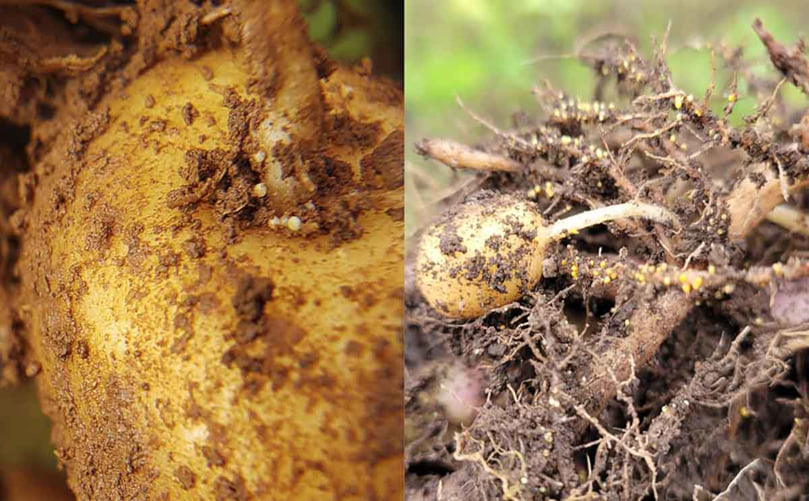
Potato Root Knot Nematode Damage in Potato Tubers
What is Potato Root Knot Nematode? Understanding Ditylenchus destructor
Scientific Classification: Potato Root Knot Nematode, scientifically known as Ditylenchus destructor Thorne, 1945, belongs to the Kingdom Animalia, Phylum Nematoda, Class Secernentea (or Chromadorea), Order Tylenchida, Family Anguinidae and Genus Ditylenchus. It is a plant parasitic nematode species primarily associated with dry rot in potato tubers and other underground storage organs.
Ditylenchus destructor is closely related to but distinct from, the stem and bulb nematode (Ditylenchus dipsaci). The two species can be differentiated through morphological characteristics and molecular diagnostic methods, such as polymerase chain reaction (PCR) targeting internal transcribed spacer (ITS) regions.
Species Involved: While D. destructor is the primary species responsible for potato rot, confusion with Ditylenchus dipsaci may occasionally occur due to similarities in appearance and taxonomy. However, the two species differ in their host preference and damage patterns. D. destructor is mainly associated with potato tubers and other underground storage organs, whereas D. dipsaci commonly affects stems, bulbs, leaves and a broader range of host plants.
Biological Characteristics: Adult Potato Root-Knot Nematode are vermiform (worm-like), slender and microscopic, typically measuring approximately 0.8–1.4 mm in length (around 1/50 inch). They possess a specialized feeding structure called a stylet, which is used to pierce plant cells and extract nutrients.
All developmental stages including juveniles and adults are motile and capable of infecting host tissues. Among these stages, the fourth stage juvenile (J4) is particularly resilient and frequently acts as an important survival stage and primary inoculum source under favorable conditions.
Feeding Behavior: As a migratory endoparasite, D. destructor enters plant tissues, particularly potato tubers through lenticels or wounds and migrates freely within infected tissue. It feeds primarily on parenchyma cells and starch reserves, disrupting normal tissue function.
During feeding, the nematode secretes enzymes that degrade cell walls and cellular contents leading to tissue breakdown, cavity formation, shrinkage and characteristic dry rot symptoms. Unlike sedentary nematodes, such as cyst or root knot nematodes, D. destructor does not induce specialized feeding structures like syncytia or root galls. Instead, it causes widespread tissue necrosis and internal damage throughout the tuber.
Difference from Other Potato Nematodes
Potato Cyst Nematodes (Globodera spp.): Potato cyst nematodes are sedentary parasites that primarily attack roots and form durable cysts capable of surviving in soil for many years. They mainly cause root damage, stunted growth and reduced plant vigor rather than direct tuber rot.
Root-Knot Nematodes (Meloidogyne spp.): Root knot nematodes are also sedentary and induce gall formation on roots. Their damage is concentrated mainly belowground in the root system and generally affects tubers indirectly.
Lesion Nematodes (Pratylenchus spp.): Lesion nematodes are migratory like D. destructor but are primarily root-associated. They create necrotic lesions in root tissues rather than causing severe dry rot in potato tubers.
What Makes Ditylenchus destructor Unique?
Unlike many other potato nematodes, D. destructor directly attacks potato tubers, significantly affecting market quality, storage life and economic value. Its ability to continue multiplying during storage makes it particularly destructive, often resulting in severe post-harvest losses.
Where is Potato Root Knot Nematode Found? Global Distribution and Risk Areas
Ditylenchus destructor, commonly known as the Potato Root Knot Nematode is primarily distributed across temperate regions worldwide. The pest has been reported in several potato growing areas and remains a major concern due to its ability to spread through infected planting material and survive in storage organs.
Europe: Potato Root-Knot Nematode is widely distributed across Europe and has been reported in countries including the United Kingdom, Germany, Poland, Russia, Estonia, Sweden, the Netherlands, France and several other potato producing regions. Its occurrence is often linked to seed potato movement and favorable climatic conditions.
Asia: In Asia, D. destructor is found in countries such as China, Japan, Korea, Russia, Iran and Kazakhstan. China faces particularly significant challenges, especially in sweet potato and potato production systems, where the nematode can cause severe crop and storage losses.
North America: In North America, localized occurrences have been reported in the United States, particularly in potato producing states such as Idaho, Wisconsin, California, Oregon and Washington as well as parts of Canada. Although not widely distributed, the pest remains under strict quarantine monitoring and surveillance.
Other Regions: The nematode has also been reported in South Africa, Australia, New Zealand and limited regions of South America including Peru and Ecuador. In many areas, infestations are often localized or under reported due to limited surveillance and the movement of infected seed or planting materials.
Emerging potato growing regions, particularly cooler and moist highland areas or regions experiencing increased agricultural trade may face a growing risk of infestation.
Life Cycle and Biology of Potato Root Knot Nematode
Understanding the life cycle and biology of Potato Root Knot Nematode (Ditylenchus destructor) is critical for determining effective management timing and reducing crop losses. The nematode has a relatively short life cycle that occurs entirely within host tissues under favorable environmental conditions.
Its development follows the sequence: egg → four juvenile stages (J1–J4) → adult. Unlike cyst nematodes, D. destructor does not form a resistant cyst stage and all life stages are vermiform (worm-like), motile and capable of infection.
Egg Stage: Female nematodes lay eggs within infected host tissues with each female capable of producing hundreds of eggs under favorable conditions. The eggs hatch into first stage juveniles (J1), which develop inside the egg and emerge shortly after hatching.
Juvenile Stages: After hatching, the first stage juvenile molts into the second-stage juvenile (J2), followed by additional molts into the third stage (J3), fourth stage (J4) and eventually the adult stage. Throughout development, juvenile nematodes actively feed on plant tissues and contribute to damage progression. Among all juvenile stages, the fourth stage juvenile (J4) is considered the most resilient and plays an important role in survival under unfavorable environmental conditions.
Adult Stage: Adult populations consist of both males and females with reproduction occurring primarily through sexual reproduction as males are commonly present. Adults continue feeding, reproducing and spreading within infected tissues, resulting in progressive damage and increasing nematode populations.
Reproduction Cycle: Potato Root-Knot Nematode reproduces rapidly inside infected tubers, often forming dense colonies just beneath the tuber skin. Under favorable conditions one generation may be completed in as little as 18 days at 27–28°C, while development generally takes 20–26 days at 20–24°C. At cooler temperatures, such as 6–10°C, the life cycle may extend to up to 68 days.
Because of this rapid reproductive ability multiple generations may develop within a single growing season or during prolonged potato storage, significantly increasing infestation levels and tuber damage.
Environmental Conditions Influencing Development
Temperature: Temperature strongly influences nematode development and reproduction. Growth is generally faster within the optimal temperature range of 15–28°C with many biological processes performing best between 20°C and 25°C. Development slows considerably or may stop entirely at temperatures below 5–10°C or above 30–35°C.
Moisture: High humidity and moist conditions are essential for nematode activity, movement and reproduction. Excessively dry soils limit nematode mobility and reduce survival potential, while moist environments encourage infection and population growth.
Life Cycle Duration: The duration of the life cycle is highly temperature dependent and typically ranges from several weeks under favorable conditions inside host tissues.
Survival Mechanisms: Unlike potato cyst nematodes, D. destructor lacks a specialized resting or survival stage. However, it can persist in infected tubers, crop residues, soil debris, alternate host plants and occasionally within fungal mycelia associated with decaying tissues.
The nematode tolerates low temperatures and moderate desiccation although it does not form the “nematode wool” survival structure characteristic of Ditylenchus dipsaci. Survival in soil without host plants is generally limited lasting only months rather than years.
How Potato Root-Knot Nematode Survives in Soil and Tubers
Survival in Tubers and Seed Material: Infected potato tubers and seed potatoes serve as the primary long-term survival source for D. destructor. Under storage conditions that are not sufficiently cold, nematodes may remain active and continue multiplying slowly, increasing the risk of spread to healthy tubers.
Soil Types Where Infestation is Severe: Potato Root-Knot Nematode is generally more severe in loamy, organic rich and moisture retentive soils, particularly those with good drainage and moderate moisture availability. Such soil conditions favor nematode movement, host infection and survival.
Heavy clay soils or excessively sandy and dry soils are generally less favorable for infestation because they may restrict nematode mobility or reduce moisture availability. Additionally, soils with high organic matter may indirectly support nematode persistence by promoting alternate hosts and fungal growth, which can contribute to disease development and survival.
Spread During Storage: The nematode spreads rapidly in storage facilities through direct contact between infected and healthy tubers making sanitation and storage management essential for reducing post-harvest losses.
Host Range of Potato Root-Knot Nematode (Ditylenchus destructor)
Potato (Solanum tuberosum) is the principal and most economically important host of Potato Root-Knot Nematode (Ditylenchus destructor). However, the nematode is highly polyphagous meaning it has a broad host range and is capable of infecting more than 90–120 plant species, including agricultural crops, ornamentals, weeds and even certain soil fungi.
Its ability to survive and reproduce on multiple hosts contributes significantly to its persistence and spread making management particularly challenging in crop production systems.
Key Host Plants of Ditylenchus destructor
Root and Tuber Crops: Potato Root Knot Nematode commonly infects several economically important root and tuber crops including sweet potato, carrot, sugar beet, parsnip, peanut (groundnut), garlic and onion. These crops provide favorable underground tissues that support nematode feeding, reproduction and survival.
Ornamental Plants: Several ornamental plant species are also vulnerable to infestation, particularly bulbous ornamentals. Important hosts include iris (Iris spp.), tulip (Tulipa spp.), gladiolus, dahlia and other ornamental crops such as rhubarb. Damage to ornamental bulbs can significantly reduce plant quality and commercial value.
Other Agricultural Crops: In addition to potato and tuber crops, D. destructor has been reported in alfalfa, clover (Trifolium spp.), hops, mint and tomato, demonstrating its adaptability to diverse cropping systems.
Weeds and Alternate Hosts: Weeds and volunteer plants play an important role in maintaining nematode populations between cropping seasons. Important alternate hosts include dandelion, plantain, mint species and Canada thistle (Cirsium arvense), among several others. These plants can act as reservoirs, allowing the nematode to persist in fields even in the absence of major crop hosts.
Fungal Associations: Unlike many plant parasitic nematodes, D. destructor can also feed and reproduce on certain soil fungi, including species of Alternaria, Fusarium and Penicillium. This ability may enhance survival during periods when plant hosts are unavailable and contributes to its persistence in infested environments.
Crop Rotation Challenges: The extensive host range of Potato Root Knot Nematode creates significant challenges for crop rotation and long-term management. Many commonly grown rotation crops and cover crops may support nematode survival and reproduction making complete eradication difficult once infestations become established.
Effective crop rotation strategies often rely on the use of non-host crops, particularly certain cereals, which may help reduce nematode populations. For example, maize may function as a non-host in some production systems although recent reports suggest it could act as a potential host under specific regional conditions.
Longer rotation periods combined with strict weed management and volunteer potato control are essential to disrupt the nematode life cycle. Removing volunteer potatoes and alternate weed hosts is particularly important for reducing inoculum levels and preventing reinfestation.
How to Identify Potato Root Knot Nematode Symptoms in Potato Crops
Symptoms of Potato Root Knot Nematode are primarily found below ground and are often subtle in the field making early detection difficult. Damage is most noticeable on tubers at harvest and can worsen significantly during storage.
Symptoms on Tubers:
- Early signs: Small white or chalky, mealy spots develop just beneath the tuber skin, initially pea sized. Tiny pinhole lesions may also appear on the tuber surface.
- Progression: As the infestation advances, these spots enlarge into gray, brown or black lesions. The affected tissue becomes dry, mealy, granular or spongy, resulting in characteristic dry rot. The tuber skin may shrink, crack and become papery, while sunken areas develop on the surface.
- Internal damage: Internally, the potato flesh may turn brown, gray or black, often forming cavities. Starch degradation causes tissue breakdown, leading to tuber shrinkage and reduced quality.
- Secondary infections: Damaged tissues are frequently invaded by fungi and bacteria, which can convert dry rot into soft rot accompanied by foul odors.
Symptoms in the Field: Above ground symptoms are often absent or very subtle. In heavily infested fields, plants may show poor emergence, stunted growth, weak vigor, patchy development and reduced plant stand. Severely infected seed tubers can produce weak plants that may eventually die. In most cases, damage is primarily observed on tubers and stolons at harvest rather than on roots.
Symptoms During Storage: Potato Root-Knot Nematode can remain active and continue multiplying during storage, especially under moderate temperatures. The infestation spreads rapidly when infected tubers come into contact with healthy ones. Over time, tubers experience progressive rotting, shriveling, quality deterioration and major marketable losses. Higher storage temperatures generally accelerate disease development and rot severity.
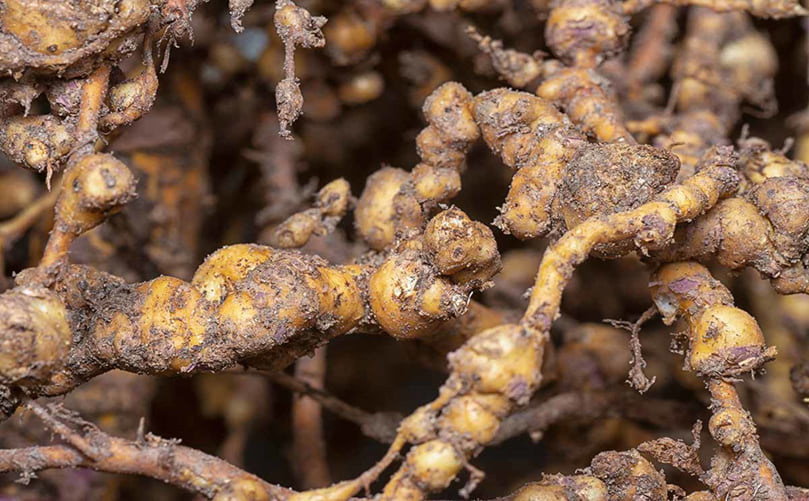
Potato Root Knot Nematode Pest Severity in Potato Tubers
Potato Root Knot Nematode Spread: How It Enters and Moves Between Fields
The Potato Root Knot Nematode (Ditylenchus destructor) has limited natural movement in soil and typically spreads only over short distances on its own. However, long-distance spread occurs mainly through human activities and contaminated planting material.
Main Transmission Pathways of Potato Root Knot Nematode
Infected seed tubers: The primary pathway for long-distance spread and field introduction. Even mildly infected seed potatoes can introduce the nematode into new production areas.
Contaminated soil: Soil attached to seed tubers, farm machinery, tools, vehicles or footwear can carry nematodes from one field to another.
Farm machinery and equipment: Equipment used in infested fields can transfer contaminated soil and plant debris to clean fields if not properly sanitized.
Water movement: Irrigation water, runoff or flooding may transport nematodes over short distances within or between fields.
Storage contamination: In storage facilities, nematodes can actively move from infected tubers to healthy ones, increasing damage during storage.
Human activities: The movement of infected planting materials, bulbs, roots, crop residues or infested weeds can contribute to nematode spread.
How Potato Root Knot Nematode Enters a Field?
Potato Root Knot Nematode most commonly enters a field through infected or contaminated seed potatoes or the introduction of infested soil and plant debris. Once established, the nematode population can increase by feeding on susceptible host plants and may persist in crop residues, volunteer plants or weeds making management more difficult over time.
How to Diagnose and Identify Potato Root Knot Nematode in Potatoes
Visual symptoms alone are not sufficient for accurate diagnosis of Potato Root Knot Nematode as symptoms often resemble other diseases and disorders. Therefore, laboratory confirmation is essential to correctly identify the pest and avoid misdiagnosis.
Visual Symptoms: Field and tuber symptoms can provide an initial indication of infection, but they are not definitive. Symptoms such as dry, discolored or rotting tuber tissues may suggest Potato Root-Knot Nematode infestation but can easily be confused with fungal or bacterial diseases.
Laboratory Testing: Laboratory analysis is necessary to confirm the presence of Potato Root Knot Nematode. Nematodes can be extracted from infected tuber tissue, soil or roots using standard diagnostic methods such as the Baermann funnel technique or misting extraction systems.
Microscopic Identification: Under microscopic examination, specialists identify the nematode based on its morphological features including its worm-like (vermiform) shape, stylet, esophageal structure, lateral fields, tail shape and vulva position in females. Differentiating Ditylenchus destructor from closely related species such as Ditylenchus dipsaci can be challenging but is possible through detailed morphometric analysis.
Molecular Diagnostics: Molecular techniques provide highly reliable and accurate identification of Potato Root Knot Nematode. Methods such as polymerase chain reaction (PCR) using species specific primers, PCR-RFLP analysis of ITS-rDNA, real-time PCR, DNA sequencing and loop mediated isothermal amplification (LAMP) assays enable rapid and precise detection. These tools are especially useful for distinguishing Ditylenchus destructor from related species, even when nematode populations are low or only juvenile stages are present.
Why Diagnosis Can Be Confusing?
Potato Root Knot Nematode symptoms are frequently mistaken for other tuber diseases including fungal dry rot caused by Fusarium species, bacterial soft rot or damage caused by other nematodes such as lesion nematodes. In the field, symptoms may also overlap with nutrient deficiencies, environmental stress or infections by potato cyst and root-knot nematodes. For this reason, combining visual inspection with laboratory and molecular testing is the most reliable approach for accurate diagnosis.
Economic Impact of Potato Root Knot Nematode on Potato Production
Potato Root Knot Nematode (Ditylenchus destructor) can cause significant economic losses by reducing potato yield and quality while increasing management, testing and phytosanitary costs. Its impact extends beyond the field, affecting storage, trade, seed certification and the overall potato supply chain.
Yield Losses: Yield losses caused by Potato Root Knot Nematode vary depending on infestation level, environmental conditions, potato variety and management practices. In some regions, average losses of around 10% have been reported, while severe infestations can result in field damage ranging from 20–50% under favorable conditions for nematode development. In extreme cases, particularly during storage, tuber losses may reach 90–100%, making production highly unprofitable.
Quality Reduction: Infested tubers often develop blemishes, dry rot and internal damage, reducing their marketability. Affected potatoes may be rejected by fresh markets, processing industries or export buyers due to poor appearance and quality. Infection can also reduce tuber size and starch content, lowering processing value and grower returns.
Storage Losses and Market Rejection: Storage damage is one of the most serious economic consequences of Potato Root Knot Nematode. Since the nematode can continue feeding and spreading between tubers during storage, infections often worsen after harvest. This can lead to substantial post-harvest losses and in severe cases, the rejection or destruction of entire storage lots.
Export Restrictions and Seed Certification Issues: Because Potato Root Knot Nematode is considered a quarantine or regulated pest in many countries, its presence can trigger trade restrictions and phytosanitary concerns. Infested shipments may be rejected and seed lots can fail certification standards, resulting in increased costs for testing, inspection and compliance.
Supply Chain and Production Costs: Potato Root Knot Nematode can disrupt commercial potato production, seed multiplication systems and processing industries. Growers often face additional expenses related to field sanitation, crop rotation, diagnostic testing, resistant seed sourcing and stricter biosecurity practices. In heavily infested areas, potato cultivation may become economically unsustainable without intensive management measures.
Overall, Potato Root Knot Nematode represents a major phytosanitary and economic threat in temperate potato growing regions. Its ability to reduce yield, damage tuber quality, increase storage losses and limit trade opportunities makes early detection and effective management essential for sustainable potato production.
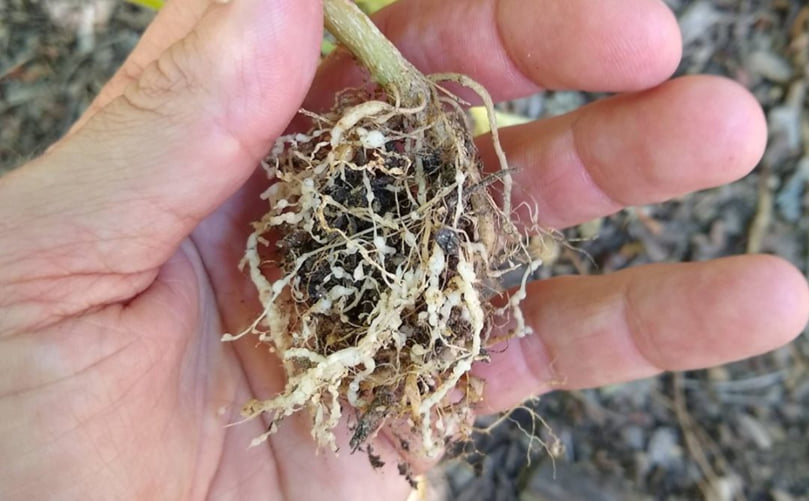
Identifying Potato Root-Knot Nematode Symptoms
Favorable Conditions for Potato Root Knot Nematode Infestation
Potato Root Knot Nematode (Ditylenchus destructor) thrives under specific environmental and agronomic conditions that favor its survival, reproduction and spread. The nematode becomes economically damaging mainly in cool, moist environments where population growth is rapid and tuber infection is severe. Optimal temperatures for development generally range between 15–20°C, although activity may occur more broadly between 15–28°C. High soil moisture and relative humidity above 90% further enhance nematode movement, feeding and reproduction. Under highly favorable conditions, tuber damage can range from 20–50% or more.
Key Factors That Increase the Risk of Infestation
Soil Moisture and Humidity: High soil moisture promotes nematode movement through soil pores and increases feeding activity on tubers and underground plant tissues. Moist environments also support nematode survival and reproduction. In contrast, dry soil conditions generally reduce activity and survival because Ditylenchus destructor lacks the highly resistant resting structures found in some other nematodes, such as potato cyst nematodes.
Temperature: Temperature strongly influences nematode development and population growth. Potato Root Knot Nematode performs best in cool to moderate conditions with optimal development around 15–20°C. Activity slows significantly below approximately 5–10°C and declines at temperatures above 30–35°C. Cooler temperate climates generally favor overwinter survival and long-term persistence.
Infected Planting Material: Infested seed potatoes are the most important pathway for introducing Potato Root-Knot Nematode into clean fields. Even low levels of infection in planting material can lead to severe infestations when environmental conditions favor nematode multiplication.
Cropping Practices: Continuous potato cultivation or short crop rotations can encourage nematode population buildup. Poor weed management may also increase infestation risks, especially when weed hosts such as dandelion, clover and plantain are present. Inadequate sanitation practices including movement of contaminated soil and equipment, further contribute to spread.
Soil Type: Loamy, organic rich and moisture retentive soils are generally more favorable for nematode survival and movement. Very sandy, dry soils or heavy clay soils are usually less suitable because they either dry out quickly or restrict nematode movement.
Storage Conditions: Potato Root Knot Nematodecan remain active after harvest. Moderate storage temperatures combined with high humidity create favorable conditions for continued multiplication and spread between stored tubers, often increasing losses during storage.
Why Infestations Are Often Unpredictable?
Potato Root-Knot Nematode infestations are frequently patchy and inconsistent within fields. Fields may remain symptom free for several years before sudden outbreaks occur under highly favorable environmental conditions. Changes in climate patterns, increased irrigation and expansion of potato cultivation into cooler temperate or highland regions may increase future risks in emerging potato growing areas.
Integrated Pest Management (IPM) Strategies for Potato Root Knot Nematode Control
Effective management of Potato Root Knot Nematode (Ditylenchus destructor) requires an Integrated Pest Management (IPM) approach as no single control method can completely eradicate the nematode due to its broad host range, survival ability and persistence in soil and plant material. Sustainable control depends on combining preventive, cultural, biological, physical and where permitted, chemical strategies.
Crop Rotation: Long crop rotations of 4–6 years or more with non-host crops are among the most effective cultural strategies for reducing nematode populations. Suitable rotational crops include cereals such as wheat, barley, maize (corn) and grasses. Host crops such as carrots, onions, alfalfa and other susceptible plants should be avoided. Effective weed control is equally important because weeds such as dandelion, clover and plantain can serve as alternative hosts and maintain nematode populations between potato crops.
Field Sanitation: Strict field hygiene helps prevent the spread of Potato Root Knot Nematode. Infected tubers, volunteer potato plants, crop residues and infested debris should be removed and destroyed. Farm machinery, tools, containers and footwear should be cleaned to minimize the movement of contaminated soil between fields.
Healthy Seed Tubers: Using certified, nematode free seed potatoes from reliable suppliers is one of the most important preventive measures. Even low levels of infestation in planting material can introduce the nematode into previously clean fields.
Harvest Timing and Soil Health: Early harvesting may help reduce tuber infection and storage losses. Improving soil health through organic matter additions and soil management practices may also support soil suppressiveness and reduce nematode pressure over time.
Resistant and Tolerant Potato Varieties: Some potato cultivars show partial resistance or tolerance to Potato Root Knot Nematode by reducing nematode reproduction and limiting tuber damage. Breeding programs are exploring resistance genes from wild Solanum species although fully resistant or immune commercial varieties remain limited. Growers should consult local recommendations as cultivar performance can vary depending on regional nematode populations and strains.
Biological Management: Biological control options are receiving increasing attention as sustainable alternatives to chemical nematicides. Beneficial microorganisms such as Bacillus, Pasteuria, Trichoderma, Paecilomyces and nematode trapping fungi may help suppress nematode populations. Soil amendments and practices that encourage beneficial microbial activity can improve soil suppressiveness. Research into bio-nematicides and microbiome-based solutions continues to expand.
Chemical and Physical Management: Chemical control options are limited and vary by country due to environmental and regulatory restrictions. Pre-plant soil fumigants or nematicides, such as metam sodium where permitted may help reduce nematode populations. Some older granular or seed treatment nematicides have demonstrated effectiveness but are increasingly restricted because of environmental and human health concerns.
Hot water treatment of seed tubers is a valuable non-chemical management option. Treatments around 43–45°C for 1–3 hours, sometimes following preconditioning may help reduce nematode infestation in planting material. However, treatment protocols should be carefully followed to avoid tuber damage and should align with local recommendations.
Storage Management: Post-harvest management plays a critical role in minimizing losses caused by Potato Root Knot Nematode. Tubers should be properly cured after harvest and storage facilities should be thoroughly cleaned and sanitized. Maintaining cool, well-ventilated storage conditions with controlled humidity helps reduce nematode activity and disease spread. Regular inspection is important, and infected tubers should be removed promptly to prevent contamination of healthy stock. In some production systems, practices such as slaked lime dusting or separate storage of suspect lots may also be used.
Integrated Pest Management (IPM) Approach: The most effective long-term management strategy combines monitoring, prevention, crop rotation, sanitation, healthy seed use, biological tools, storage hygiene and targeted interventions when necessary. Regular soil and tuber testing, accurate field history records and management decisions tailored to local conditions provide the best chance of reducing nematode populations and minimizing economic losses over time.
Best Prevention Strategies for Potato Root Knot Nematode in Potatoes
Preventing Potato Root Knot Nematode (Ditylenchus destructor) infestation is more effective and cost efficient than attempting to manage the pest after establishment. Since the nematode can persist in infected planting material, soil, weeds and storage facilities, preventive measures are essential to reduce the risk of introduction and spread.
Use Certified Seed Potatoes: Plant only certified, nematode free seed potatoes sourced from reputable suppliers and pest free production areas. Infected seed tubers are the primary pathway for introducing Potato Root Knot Nematode into clean fields, even when symptoms are not visible.
Follow Quarantine and Phytosanitary Measures: Implement strict quarantine and phytosanitary practices when moving seed potatoes, bulbs, soil and other planting materials between regions or farms. Compliance with local plant health regulations can help prevent the introduction of regulated nematode populations.
Maintain Thorough Equipment Sanitation: Farm machinery, tools, vehicles, storage bins and footwear should be thoroughly cleaned and where appropriate, disinfected between fields. Removing contaminated soil and plant debris is critical to reducing the accidental spread of nematodes.
Field Monitoring and Soil Testing: Regular field inspections, pre-plant soil testing and field history assessments help identify potential risks before planting. Monitoring fields with a known history of nematode infestation is especially important for early intervention and management planning.
Early Detection and Diagnosis: Routine visual inspections of crops and tubers combined with laboratory testing, improve the chances of detecting infestations early. Prompt identification allows growers to take action before nematode populations increase and spread further.
Careful Field Planning: When planting in new or uncertain fields, consider planting these areas later in the season or using less valuable or less susceptible potato varieties initially. This approach helps reduce potential economic losses if nematodes are present.
Weed and Volunteer Plant Management: Strict control of weeds and volunteer potato plants is essential because some weed species can act as alternative hosts allowing Potato Root-Knot Nematode populations to survive and multiply between potato crops.
Prevention Is the Best Long-Term Strategy: A proactive prevention program that combines clean seed, sanitation, monitoring, quarantine measures and weed management offers the most effective defense against Potato Root-Knot Nematode. Early action reduces infestation risks, lowers management costs and protects long-term potato productivity.
Difference Between Potato Root Knot Nematode and Potato Cyst Nematode
Although Potato Root Knot Nematode and potato cyst nematode both affect potato crops, they differ considerably in biology, symptoms, survival, spread and management.
Biology: Potato Root Knot Nematode (Ditylenchus destructor) is a migratory endoparasite meaning all life stages remain mobile and move actively within plant tissues. It does not produce a cyst stage. In contrast, potato cyst nematodes (Globodera spp., such as G. rostochiensis and G. pallida) are sedentary endoparasites. Female nematodes become swollen and eventually form durable cysts on roots that contain eggs and can persist in soil for many years.
Symptoms: Potato Root Knot Nematode primarily causes tuber damage including dry rot, internal lesions, cracking and tissue breakdown. Above ground symptoms are often minimal or absent making field detection difficult. Potato cyst nematodes mainly attack roots causing stunted growth, yellowing, wilting and poor crop vigor along with reduced tuber yield. Small white, yellow or golden cysts are often visible on infected roots.
Host Damage: The main damage caused by Potato Root Knot Nematode is direct tuber quality loss making potatoes unsuitable for fresh markets, processing or storage. It also has a broad host range affecting more than 90–120 plant species. In comparison, potato cyst nematodes mainly damage root systems, reducing nutrient uptake and causing severe yield reduction. Their host range is narrower and mainly restricted to potatoes and related crops in the Solanaceae family.
Survival Ability: Potato Root Knot Nematode survives for months in soil, infected tubers, plant debris and weeds, but it is relatively sensitive to dry conditions and cannot persist indefinitely without hosts. Potato cyst nematodes are much more persistent because their cysts can survive in soil for decades, even in the absence of host crops.
Spread: Potato Root Knot Nematode spreads mainly through infected seed tubers, contaminated soil, machinery, tools and storage facilities. It can also move from infected to healthy tubers during storage. Potato cyst nematodes spread primarily through soil movement, contaminated seed potatoes and human activity with cysts being easily transported and highly resistant to environmental stress.
Management: Management of Potato Root Knot Nematode focuses on clean seed use, sanitation, crop rotation, weed control and storage hygiene. Since it spreads through tubers and survives in storage preventing contamination is critical. Potato cyst nematode management relies more heavily on long crop rotations (often 7 years or longer), resistant potato varieties, strict quarantine measures and nematode resistant breeding programs.
Key Difference: The most important distinction is that Potato Root Knot Nematode primarily damages tubers causing rot and quality losses, whereas potato cyst nematode mainly attacks roots leading to reduced plant growth and major yield losses. Additionally, potato cyst nematodes are generally much harder to eliminate because their cysts can remain viable in soil for many years.
Latest Research and Future Management Strategies for Potato Root Knot Nematode
Recent research on Potato Root Knot Nematode (Ditylenchus destructor) increasingly focuses on sustainable and environmentally friendly management strategies, particularly as restrictions on chemical nematicides continue to expand. Scientists are exploring biological solutions, resistant potato varieties, advanced diagnostics and climate smart management approaches to reduce crop losses and improve long-term control.
Biological Control Approaches: Biological control is gaining attention as a sustainable alternative to chemical management. Beneficial microorganisms such as Trichoderma spp. and Bacillus spp. are being studied for their ability to suppress nematode populations and improve plant health. In addition, plant derived compounds and phytochemicals are being investigated for their nematicidal properties and potential role in integrated pest management (IPM) programs.
Resistant Breeding and Host Resistance: Developing nematode resistant potato varieties remains an important long-term strategy. Researchers are screening potato germplasm and wild relatives to identify resistance traits that can be incorporated into breeding programs. Advances in genomic research on Ditylenchus destructor are also helping scientists better understand nematode pathogenicity, host interactions and resistance mechanisms.
Precision Diagnostics and Early Detection: Modern molecular diagnostic tools are improving the speed and accuracy of nematode detection. Techniques such as polymerase chain reaction (PCR), real time PCR and loop mediated isothermal amplification (LAMP) assays enable rapid identification of Ditylenchus destructor, even at low population levels or juvenile stages. These methods also help distinguish Potato Root Knot Nematode from closely related species such as Ditylenchus dipsaci, reducing the risk of misdiagnosis.
Genome Research and Virulence Studies: Genome sequencing and high-quality genetic assemblies are providing valuable insights into the biology and virulence of Potato Root Knot Nematode. These studies help researchers identify genes associated with pathogenicity, survival and host infection, which may lead to the development of targeted management tools and improved resistance breeding strategies in the future.
Integrated and Climate Smart Management: Researchers are increasingly promoting integrated and climate smart management strategies to reduce nematode risks under changing environmental conditions. These approaches include predictive modeling of nematode distribution, hot water treatment of planting material, soil solarization, biological amendments and bio-based integrated pest management frameworks aimed at reducing dependence on synthetic chemicals.
Future Directions: Future management of Potato Root Knot Nematode is expected to focus on reducing chemical reliance through host resistance, microbiome-based solutions, precision diagnostics and precision agriculture technologies for early detection and intervention. Since regulations and available management tools vary by country and region, growers are encouraged to consult local extension services or plant health authorities for updated, region specific recommendations.