

Introduction: Why Late Blight Remains a Major Threat
Late blight, caused by the oomycete Phytophthora infestans, is one of the most destructive plant diseases affecting potatoes worldwide. Under cool, humid and favorable environmental conditions, the disease can spread rapidly, destroying potato fields within days by turning healthy green foliage into necrotic tissue and causing severe tuber rot. Its fast epidemic development, high management costs and ability to overcome resistance make late blight a persistent threat to global potato production.
Late blight is a highly aggressive disease that affects potato leaves, stems, petioles and tubers as well as tomatoes and other related crops. The disease is characterized by water-soaked lesions that expand quickly into dark brown or black necrotic areas. Under humid conditions, white sporulation develops on the underside of infected leaves accelerating disease spread. The pathogen produces large numbers of airborne sporangia, enabling rapid transmission across fields and regions. Infected tubers often become vulnerable to secondary bacterial infections, increasing storage losses and reducing marketability.
Late blight remains one of the most devastating potato diseases globally because of its explosive nature and severe economic impact. In susceptible potato varieties, the disease can lead to significant yield losses and in severe outbreaks, near total crop failure if left unmanaged. Worldwide economic losses including crop damage and disease control expenses are estimated in the billions of dollars annually. In many developing regions, where access to fungicides and forecasting systems may be limited, losses can exceed 60% and occasionally approach complete crop failure during severe epidemics.
The impact of late blight extends beyond yield reduction. Depending on disease severity and timing of infection, potato losses may range from moderate reductions to complete crop destruction. Tuber infection leads to internal browning, rot and reduced processing quality, making potatoes unsuitable for fresh markets, processing or seed use. Additional economic burdens include repeated fungicide applications, field scouting, labor costs, disease monitoring and storage management. In regions with high disease pressure, growers may require multiple fungicide applications during a single season to protect crops.
Growers fear late blight because of its unpredictable and epidemic nature. A short period of cool, wet weather or a delayed fungicide application can trigger rapid disease outbreaks capable of devastating entire fields. The emergence of aggressive pathogen strains, increasing fungicide resistance and changing climatic conditions have further complicated disease management. Beyond the farm, severe outbreaks can disrupt supply chains, reduce potato availability, increase prices and threaten farmer livelihoods, particularly among smallholder producers.
Late blight also holds major historical significance due to its role in the Irish Potato Famine (1845–1852), one of the most devastating agricultural disasters in history. The disease introduced into Europe during the 1840s, caused widespread potato crop failures across Ireland leading to approximately one million deaths from starvation and disease, while forcing another one to one and a half million people to emigrate. The famine reshaped global migration patterns, influenced agricultural systems and played a crucial role in the development of plant pathology as a scientific discipline.
Today, late blight continues to pose a major challenge to food security particularly as potatoes remain one of the world’s most important staple food crops. Effective disease monitoring, resistant varieties, integrated crop management and advances in forecasting and precision agriculture remain essential to reducing its impact on global potato production.
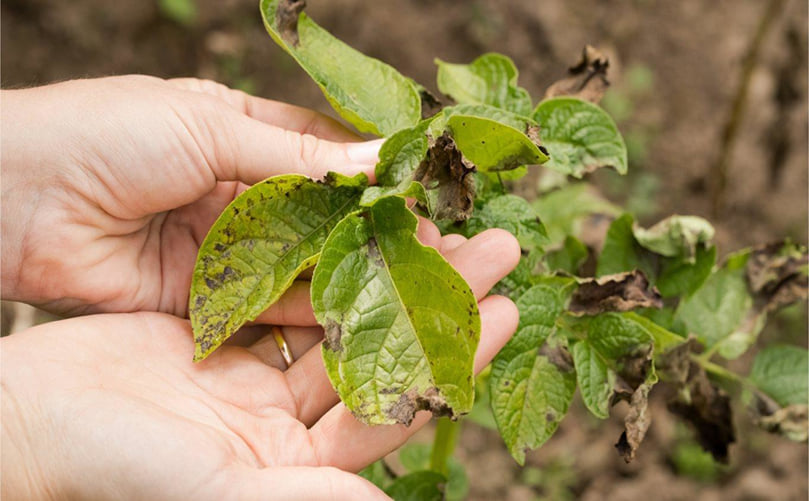
Early Warning Signs of Potato Late Blight
What is Late Blight in Potato?
Late blight is one of the most destructive diseases affecting potatoes and related crops worldwide. Caused by Phytophthora infestans, the disease is highly weather dependent and thrives under cool, wet and humid conditions. It infects potato leaves, stems, petioles and tubers, causing rapid foliage destruction, severe yield losses and post-harvest tuber rot. Under favorable environmental conditions, late blight can spread quickly and devastate entire fields within a short period.
The causal pathogen of late blight is Phytophthora infestans (Mont.) de Bary, an organism historically linked to some of the most significant crop failures in history including the Irish Potato Famine of the 1840s. The name Phytophthora originates from Greek, meaning “plant destroyer,” reflecting the pathogen’s highly destructive nature. German botanist Heinrich Anton de Bary later confirmed its role as the causal agent of potato late blight, helping establish the scientific foundation of plant pathology.
Although commonly referred to as a fungal disease, Phytophthora infestans is not a true fungus. Instead, it belongs to a group of organisms known as oomycetes or “water molds,” classified under the kingdom Stramenopiles (Chromista). Oomycetes are more closely related to brown algae and diatoms than to true fungi. Several biological differences distinguish them from fungi, including cell walls composed mainly of cellulose rather than chitin, diploid nuclei during vegetative growth and the production of motile biflagellate zoospores capable of moving through water films on plant surfaces. These characteristics explain why late blight develops rapidly under moist conditions and why specialized oomycete-targeting fungicides are often required for effective disease management.
Late blight primarily affects potato (Solanum tuberosum) and tomato (Solanum lycopersicum) making it a major threat to global food production. While the pathogen mainly targets members of the Solanaceae family, it may occasionally infect certain wild relatives and in limited cases, crops such as eggplant and pepper. Compared to other Phytophthora species, P. infestans has a relatively narrow host range but remains highly destructive due to its aggressive nature, rapid spread and ability to cause severe epidemics in economically important crops.
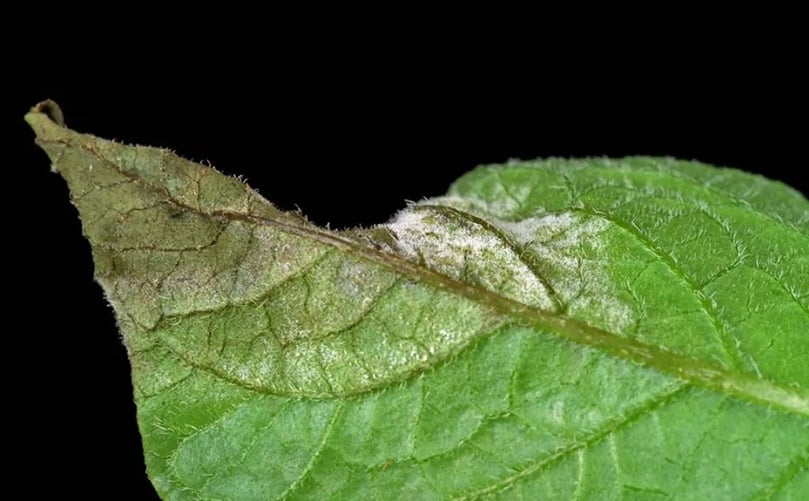
Late Blight in Potato Caused by Phytophthora infestans
Global Distribution and Importance of Late Blight in Potato
Late blight is one of the most widespread and economically important diseases of potato worldwide. It is nearly ubiquitous in potato growing regions and has been reported in more than 100 countries where potatoes are cultivated. The disease significantly affects global potato production, including major producers such as China, India, Russia, Ukraine, the United States, Canada and much of Europe. It is also highly prevalent in tropical and subtropical highland regions of Latin America, Africa and Asia including the Ethiopian and Lake Kivu highlands, where environmental conditions are highly favorable for disease development.
The severity of late blight varies widely across regions due to differences in climate, altitude, cropping systems and disease management practices. Disease pressure is generally highest in cool, humid temperate regions such as northern Europe and parts of North America, where frequent rainfall, fog, dew and prolonged leaf wetness create ideal conditions for pathogen infection and spread. In these regions, commercial potato cultivation combined with favorable weather often leads to repeated and severe disease outbreaks.
In contrast, hot and dry regions such as parts of the Middle East and inland Australia generally experience lower natural disease pressure due to unfavorable environmental conditions for pathogen survival and infection. However, in tropical lowlands, high temperatures often suppress disease development, limiting its severity. Despite this, cooler tropical highland regions remain highly vulnerable. Areas such as the Andes, the Himalayan belt and the East African highlands frequently experience severe late blight outbreaks, particularly during rainy seasons when humidity and leaf wetness increase significantly.
The disease dynamics also differ between tropical and temperate production systems. Temperate regions often experience long-lasting epidemics due to consistently favorable environmental conditions and dense commercial plantings that support continuous disease cycles. In tropical highland systems, outbreaks are often more intense but shorter in duration, frequently associated with monsoon or seasonal rainfall periods. These regions are particularly vulnerable because many smallholder farmers have limited access to certified seed potatoes, fungicides, forecasting systems and modern disease management technologies, which increases overall production risk.
Climate change is further influencing the global distribution and severity of late blight. Rising temperatures, shifting rainfall patterns, increased humidity, wetter weather extremes and milder winters are altering disease epidemiology across potato growing regions. In cooler and mid-latitude areas, climate change may increase risk by enabling earlier disease onset, longer growing seasons and improved pathogen survival. This may expand the suitable range of late blight into previously marginal areas, including northern Europe, parts of Canada and higher altitude production zones.
Climate models also suggest that late blight risk may increase in parts of East Africa and Asia, while showing mixed or declining trends in other regions depending on local climate conditions and adaptation strategies such as adjusted planting dates, altered crop calendars and improved disease management practices. In some regions, prolonged heat and drought may reduce disease pressure; however, in many others, increased weather variability is likely to favor outbreaks. These contrasting effects highlight the complexity of climate driven disease shifts.
Overall, the global distribution and evolving behavior of late blight continue to pose a serious challenge to sustainable potato production and global food security. The disease underscores the importance of resilient potato varieties, improved forecasting systems, integrated disease management strategies and climate adaptive agricultural practices to reduce future risks and stabilize production worldwide.
The Science Behind Potato Late BlightPhytophthora infestans : Biology of Phytophthora infestans
Phytophthora infestans is a highly adaptable oomycete responsible for late blight in potato and tomato. It is capable of both asexual and sexual reproduction, which enables rapid epidemic development as well as long-term survival. Its complex biology is the key reason behind its success as a globally destructive plant pathogen.
Life Cycle: The life cycle begins with the production of sporangia, which are lemon shaped reproductive structures formed on infected plant tissue. Under humid conditions, infected leaves often show white, fuzzy sporulation on the underside. These sporangia are dispersed through wind and rain splash allowing rapid spread within and between fields.
Sporangia can germinate in two ways depending on temperature. At warmer conditions (15–25°C), they germinate directly through a germ tube. At cooler temperatures (10–15°C) and in the presence of free water, they release 8–12 biflagellate zoospores. These motile zoospores swim in water films on plant surfaces, encyst and penetrate host tissues through stomata or wounds within a short time.
After infection, intercellular mycelium develops and forms haustoria, which extract nutrients from host cells. Under favorable environmental conditions, the full cycle from infection to new sporangia formation can occur in just 4–7 days, enabling multiple infection cycles within a single growing season and driving explosive epidemics.
Sporangia and Zoospore Formation: Sporangia are produced on specialized sporangiophores emerging from infected lesions. These structures are sensitive to desiccation but can survive short periods in air. Zoospores are short-lived, typically surviving only a few hours, but are highly efficient in initiating infection under wet conditions.
Reproduction: Phytophthora infestans reproduces both asexually and sexually. Asexual reproduction occurs through clonal propagation via sporangia, resulting in rapid spread of genetically identical populations. This mechanism is primarily responsible for fast epidemic development in potato fields.
Sexual reproduction is heterothallic and requires two compatible mating types, A1 and A2. When both are present, sexual recombination occurs, producing oospores thick-walled survival structures formed through genetic recombination. Oospores can survive in soil and plant debris for 2–3+ years, acting as a long-term inoculum source in regions where sexual reproduction occurs. This increases genetic diversity, virulence variation and adaptive potential.
Survival Mechanisms: The primary survival strategy of P. infestans is through infected seed tubers, volunteer potato plants and cull piles. In regions where both mating types exist, oospores in soil provide an additional long-term survival mechanism. Unlike some other Phytophthora species, it does not typically produce chlamydospores.
Genetic Variability and New Strains: The genetic structure of P. infestans has changed significantly over time. Before the 1980s, global populations outside Mexico were dominated by a single clonal lineage (US-1) with the A1 mating type. The introduction of more aggressive genotypes from Mexico during the 1980s and 1990s, including A2 mating types led to displacement of earlier populations and increased genetic diversity.
Modern populations now include aggressive clonal lineages such as 13-A2 and US-23, among others. These strains are often more virulent, capable of infecting tubers efficiently, overcoming partial host resistance and showing variable sensitivity to fungicides. In regions such as Europe and Scandinavia, sexual recombination is more common, resulting in continuous emergence of new genotypes. Variation in ploidy levels (diploid to triploid) further enhances adaptability.
Overall, the biology of Phytophthora infestans makes it exceptionally resilient. Asexual reproduction drives rapid epidemic spread, while sexual reproduction ensures long-term evolutionary potential. Together, these mechanisms allow continuous adaptation making late blight one of the most challenging diseases to manage in global potato production.
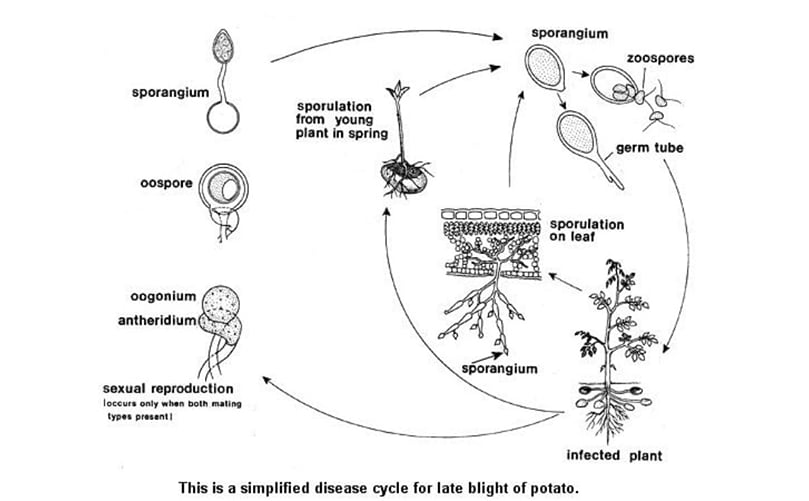
Life Cycle of Phytophthora infestans Causing Late Blight in Potato
Sources of Infection and Spread of Late Blight in Potato
Effective management of late blight in potato depends largely on understanding and eliminating primary sources of inoculum as even very low levels of infection can initiate severe epidemics under favorable cool and humid weather conditions. The disease is primarily driven by infected plant material at the beginning of the season followed by rapid secondary spread through airborne and waterborne spores.
Primary Sources: Infected seed tubers represent the most important global source of late blight inoculum. The pathogen survives as mycelium inside tubers and infected seed can produce diseased sprouts once planted. These infected plants often act as the first infection foci in the field. Volunteer plants also known as “ground keepers,” arise from tubers left in the soil after harvest and serve as an additional major source of pathogen carryover into the next season.
Cull piles and out grade dumps containing discarded infected tubers are another significant source of inoculum. If not properly managed through destruction, covering or deep burial, these piles can produce large quantities of sporangia and act as local infection hotspots.
Storage leftovers and infected debris also contribute to disease carryover when infected tubers remain in storage facilities or waste areas and are later exposed to suitable conditions for sporulation and spread.
In regions where both A1 and A2 mating types are present, soilborne oospores become an important primary inoculum source. These thick-walled survival structures can persist in soil and initiate infection independently of infected tubers, adding complexity to disease management, particularly in parts of Europe and other regions where sexual reproduction occurs. Secondary Spread: Once initial infections are established, late blight spreads rapidly through multiple secondary pathways. Windborne sporangia are the primary mechanism of long-distance dispersal and can travel from a few hundred meters to several kilometers, enabling rapid regional epidemics.
Rain splash and irrigation water facilitate local spread by moving sporangia and zoospores between plants. Zoospores can move within water films on leaf surfaces, increasing infection efficiency under wet conditions.
Mechanical transmission also plays a role, with farm equipment, tools, clothing and human or animal movement contributing to the spread of spores or contaminated plant material between fields. In addition, contaminated soil or water movement during irrigation, hilling or harvest operations can lead to tuber infection and further dissemination of the pathogen.
Epidemiological Importance: In most commercial potato production systems worldwide, infected seed tubers and volunteer plants remain the dominant sources of primary inoculum. However, in regions with sexual populations of Phytophthora infestans, oospores introduce additional complexity by enabling soilborne survival and independent disease initiation.
The combination of local inoculum sources and long-distance dispersal through windborne spores makes late blight a highly aggressive and rapidly spreading disease. As a result, coordinated regional management and strict sanitation practices are essential to effectively reduce initial inoculum and limit epidemic development.
Environmental Conditions Favoring Late Blight in Potato
Environmental Conditions Favoring Late Blight in Potato: Late blight is a classic weather driven disease meaning its development is closely linked to temperature and moisture conditions. Because of this strong environmental dependency, disease forecasting and weather monitoring play a critical role in effective management.
Optimum Temperature: The development of late blight is highly influenced by temperature. Sporulation and infection occur most efficiently in the range of 10–25°C with an optimum range of 15–21°C. Night temperatures between 10–15°C followed by daytime temperatures of 15–20°C create highly favorable conditions for disease development.
At temperatures above approximately 27–30°C or below 5–7°C, pathogen activity is strongly suppressed and disease development slows significantly or stops. This temperature sensitivity explains why late blight epidemics are highly seasonal and region-specific.
Relative Humidity and Leaf Wetness: High relative humidity is essential for infection, with optimal conditions above 80–90% and ideally above 90% for several hours. Prolonged leaf wetness, typically lasting 8–12 hours or more depending on temperature is critical for sporangia germination and infection.
Dew, fog, rainfall and overhead irrigation are key contributors to leaf wetness. Sporangia formation is also favored during nighttime conditions when humidity is highest. These moisture conditions enable zoospore release, movement and successful host penetration.
Rainfall, Fog and Cloudy Conditions: Rainfall plays a dual role by aiding sporangia dispersal and maintaining leaf wetness on plant surfaces. Fog and cloudy weather reduce evaporation rates, extending periods of humidity and dew retention. Dense crop canopies in high density plantings further trap moisture, creating favorable microclimates for disease development even when broader environmental conditions are only marginally suitable.
Disease Triangle and Epidemiological Factors: Late blight development is governed by the disease triangle, which includes a susceptible host, a virulent pathogen and a favorable environment. In practice, a fourth factor time is equally important as repeated cycles of favorable conditions allow rapid epidemic buildup. When hot and dry conditions dominate, disease progression is significantly reduced or halted.
Global Variations in Disease Development: Disease expression varies across regions depending on climate. In temperate regions such as northern Europe and North America, frequent cool and wet weather conditions drive seasonal epidemics. In tropical highland regions, including the Andes, East Africa and the Himalayas outbreaks are often closely linked to rainy seasons, when humidity and leaf wetness increase sharply.
Climate variability, including prolonged wet periods and milder winters is increasing late blight risk in many potato growing regions. Decision support systems and forecasting models such as BLITECAST, Hutton Criteria and other regional disease forecasting tools integrate temperature and moisture data to provide early warnings and guide management decisions.
Management Implications: Understanding environmental conditions is essential for timely disease management. Growers can reduce risk by adjusting cultural practices such as avoiding overhead irrigation, improving field drainage, increasing plant spacing and enhancing airflow within the crop canopy. These practices help disrupt the environmental component of the disease triangle and reduce the likelihood of epidemic development.
Late Blight Symptoms in Potato: Early Signs and Identification
Symptoms of late blight in potato develop rapidly under favorable environmental conditions and can vary slightly depending on plant part, variety and climate. Early detection is critical because the disease can progress from small lesions to complete crop destruction within a few days under optimal conditions.
Leaf Symptoms: Initial symptoms appear as small, light to dark green, water-soaked spots that are usually circular to irregular in shape. These lesions commonly begin on lower leaves, leaf tips or margins where dew and moisture persist for longer periods. The spots rapidly expand into large, dark brown to black necrotic lesions with a greasy or water-soaked appearance and indistinct margins.
A pale green to yellowish halo may surround the infected areas. Under humid conditions, especially during night or prolonged overcast weather, a characteristic white, fuzzy growth develops on the underside of infected lesions. This growth consists of sporangiophores and sporangia and is often concentrated at the advancing edge of the lesion.
As infection progresses, severely affected leaves collapse, dry out and turn brown, resulting in a typical blighted appearance of the canopy.
Stem and Petiole Symptoms: On stems, late blight produces dark brown to black, greasy lesions, often occurring at nodes or leaf stem junctions. These lesions may enlarge and girdle the stem leading to wilting, collapse or death of upper plant parts.
Petioles show similar dark lesions, which often result in leaf drooping, weakening or complete detachment. In humid conditions, white sporulation may also develop on infected stem tissues.
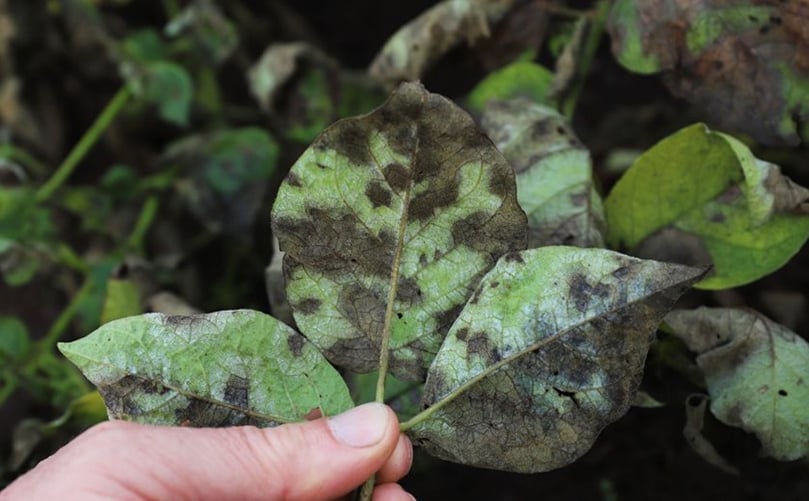
Late Blight Symptoms in Potato: Early Signs and Identification
Tuber Symptoms: Tuber infection typically occurs through eyes, lenticels, wounds or stolons. External symptoms include irregular, slightly depressed patches that may appear brown, purplish or reddish brown on the skin surface.
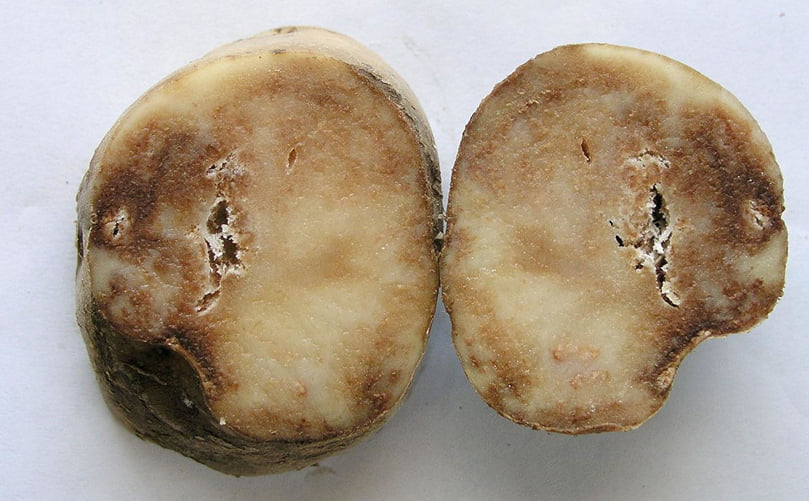
Internally, infected tubers show a firm, dry, granular rot that is typically tan to reddish-brown in color. The affected area usually extends shallowly at first (generally less than 2.5 cm or 1 inch), but can progress deeper under favorable conditions. Symptom expression may be less visible in russet or red-skinned varieties making detection more difficult.
Secondary infections by bacteria often follow, leading to soft, wet, foul-smelling decay that significantly reduces marketability.
Storage Symptoms: Late blight infections may remain latent at harvest and become visible during storage. Disease symptoms can develop within the first few weeks or continue throughout the storage period. Under cool conditions, disease progression may slow, but under high humidity or poor ventilation, tuber-to-tuber spread can occur leading to substantial storage losses.
Condensation and inadequate storage management further increase the risk of secondary bacterial soft rots, resulting in rapid deterioration of stored potatoes.
Global Variation in Symptoms: The expression of late blight symptoms can vary depending on potato variety and environmental conditions. In humid temperate regions, foliar symptoms tend to develop rapidly and dominate disease expression. In contrast, in some tropical highland systems, tuber infections and post-harvest losses may be more prominent due to environmental and management factors.
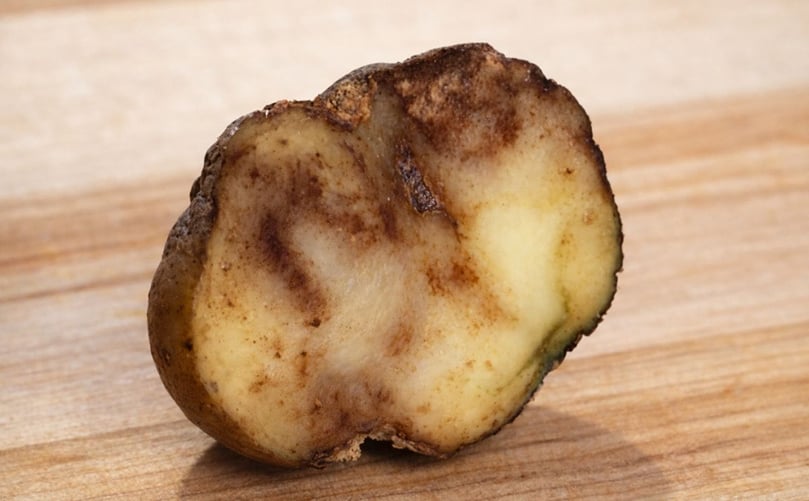
Potato Late Blight Symptoms: Tuber Infection and Internal Rot
Life Cycle and Disease Development of Late Blight in Potato
The disease cycle of potato late blight caused by Phytophthora infestans is highly efficient and capable of causing explosive epidemics under cool, wet and humid environmental conditions. Disease development follows a rapid sequence of survival, infection, spread and reinfection, often completing multiple cycles within a single growing season.
Survival and Primary Inoculum: The disease cycle begins with pathogen survival in infected seed tubers, volunteer potato plants, cull piles and infected crop debris. In some regions, soilborne oospores also serve as a long-term survival structure. These infected sources act as the primary inoculum at the beginning of the season.
Initial Infection: Under favorable weather conditions, sporangia produced on infected material are dispersed through wind or water to healthy potato plants. Once deposited on leaves or stems, the pathogen infects plant tissue through stomata or wounds. Cool temperatures and prolonged moisture significantly enhance infection success.
Sporulation and Disease Development: Following infection, symptoms usually become visible within 3–5 days. Under humid conditions, infected lesions produce white sporulation consisting of thousands of sporangia, especially on the underside of leaves. These spores rapidly amplify disease pressure within the crop canopy.
Dispersal and Reinfection: Windborne sporangia can travel hundreds of meters to several kilometers, allowing rapid disease spread between fields and regions. Rain splash and irrigation water further support local movement. Under optimal conditions, reinfection cycles occur every 4–7 days, resulting in exponential epidemic development.
Tuber Infection and Storage Spread: Sporangia washed from infected foliage into soil may infect tubers through eyes, lenticels or wounds. Infected tubers often carry latent infections into storage where disease progression may continue, especially under poor ventilation and high humidity, leading to severe storage losses and secondary rotting.
Epidemic Development: Because multiple infection cycles occur within a season, potato late blight can spread extremely rapidly and devastate fields within days if environmental conditions remain favorable and control measures are delayed.
Why Late Blight Spreads So Rapidly in Potato Crops?
Late blight is notorious for its epidemic potential and is often described as a “community disease” because it can spread rapidly across fields, villages and even entire regions under favorable conditions.
Wind Dispersal: The pathogen produces sporangia that are extremely light and easily carried by air currents. These can travel hundreds of meters to several kilometers allowing a single infected field to trigger widespread regional outbreaks.
Rapid Reproduction: Under cool and humid conditions, one infection cycle can be completed in about 4–7 days with a latent period as short as 3–5 days. Each lesion can produce an enormous number of sporangia, often reaching tens of thousands per cm² leading to billions of spores per hectare under severe epidemics.
Multiple Infection Cycles: Because new spores are continuously produced, several infection cycles can occur within a single growing season. This leads to exponential disease build-up, where a healthy crop can become severely blighted within 7–14 days if conditions remain favorable.
Weather Driven Epidemics: Prolonged leaf wetness, high humidity and optimal temperatures strongly favor infection and sporulation. Rain splash and dense crop canopies further enhance local spread by maintaining moisture and improving spore survival and movement.
Human and Mechanical Spread: The movement of infected seed tubers, farm tools, machinery and field operations can accelerate both local and long-distance dissemination of the pathogen.
Together, these factors explain why unmanaged late blight outbreaks can escalate extremely quickly and cause complete crop loss in a short period, as observed in historical and modern epidemics.
Economic Impact of Late Blight on Potato Yield, Quality and Storage
Late blight causes some of the highest economic losses among potato diseases worldwide, affecting both yield and market value across production systems.
Yield Reduction: In severe epidemics, yield losses can range from 20% to 100%, with complete crop failure possible if the disease is not managed. In developing regions, losses commonly exceed 60% due to limited access to timely control measures.
Marketability and Quality Damage: Infection leads to tuber discoloration, rot and increased susceptibility to secondary infections. This significantly reduces suitability for fresh market, processing (chips and fries) and seed purposes, often resulting in rejection or downgrading of produce.
Post-Harvest and Storage Losses: Infected tubers can develop severe rot during storage, particularly under cool and moist conditions. Latent infections further complicate storage management as symptoms may appear after harvest and spread within stored lots.
Control and Production Costs: In high-risk regions, farmers may need 8–15 or more fungicide applications per season. Additional costs arise from labor, monitoring, equipment use and resistance management strategies making disease control increasingly expensive and complex.
Global Economic Impact: The total global burden is estimated in the range of USD 3–10+ billion annually when combining yield losses and control costs with some estimates reaching up to USD 6.7–10 billion. In countries like the United States, losses amount to hundreds of millions of dollars, while in developing regions the impact is more severe due to its direct effect on food security and farmer livelihoods.
Late blight affects both smallholder farmers in tropical highlands and commercial producers in temperate regions although the level of access to effective management tools varies significantly.
Economic Losses Caused by Late Blight in Potato Production
Early Detection and Diagnosis of Late Blight in Potato Crops
Early detection is critical for managing late blight effectively, as the disease can spread rapidly once favorable conditions occur.
Field Scouting: Begin scouting soon after crop emergence with particular attention to the lower canopy, leaf margins and areas that remain wet for longer periods. During high-risk weather, scouting should be done at least weekly or more frequently. Key symptoms to look for include water-soaked lesions on leaves and the presence of white sporulation on the underside of infected tissues.
High-Risk Conditions: Disease development is most likely during cool, humid and wet weather. Periods following rain, fog or prolonged leaf wetness, especially in dense crop canopies, significantly increase infection risk. Monitoring local weather conditions is essential for timely detection.
Weather-Based Forecasting Systems: Decision support systems such as BLITECAST, the Hutton Criteria, the Irish Rules and regional platforms like USABlight use temperature, humidity and leaf wetness data to predict infection risk and help guide timely interventions.
Digital Disease Monitoring Tools: Modern technologies such as mobile applications (e.g., PlantVillage Nuru for AI-based detection of late and early blight), drone surveillance, satellite imagery and hyperspectral sensing are increasingly used for early or even pre-symptomatic disease detection.
Laboratory Confirmation: Suspected samples can be submitted for microscopic examination to detect sporangia or for molecular diagnostics such as PCR-based testing. These methods can also help identify pathogen strains and fungicide sensitivity profiles.
Globally, coordination with local agricultural extension services and disease monitoring networks such as EuroBlight is recommended as reporting and early response significantly help in limiting disease spread at regional scale.
Late Blight vs. Early Blight in Potato: How to Identify the Differences?
Late blight and early blight are two of the most important foliar diseases affecting potato production worldwide. Both diseases can cause significant yield losses and reduce tuber quality if not accurately identified and managed. Although they affect similar plant parts, they differ considerably in their causal organisms, symptom development, disease progression and environmental requirements. Correct field identification is essential for accurate diagnosis and appropriate disease management.
Late blight is caused by Phytophthora infestans, an oomycete (water mold), whereas early blight is caused primarily by Alternaria solani and less commonly, Alternaria alternata, which are true fungi. This fundamental biological difference influences their disease cycles, epidemiology, and response to fungicides.
Late blight typically begins as pale green to dark brown, water-soaked lesions that expand rapidly under favorable conditions. The lesions are usually irregular in shape and often appear first on lower leaves or leaf tips. Under cool, humid conditions, a white, cotton-like growth consisting of pathogen sporulation may develop on the underside of infected leaves, serving as a key diagnostic feature. As the disease progresses, it can infect stems, petioles and tubers. Infected tubers develop firm, granular, reddish-brown to brown rot beneath the skin. During severe outbreaks, entire plants may collapse within a few days and secondary bacterial infections can produce a foul odor.
In contrast, early blight usually appears first on older, lower leaves. It begins as small, dark brown lesions that enlarge into distinctive concentric rings, creating the characteristic "target spot" or "bull's-eye" appearance. The lesions are dry and papery and are frequently surrounded by a yellow chlorotic halo. Unlike late blight, early blight does not produce visible white sporulation under field conditions. Stem lesions may also occur, while infected tubers develop sunken, dry, corky lesions with well-defined margins that are generally less destructive than the tuber rot caused by late blight.
The two diseases also differ in their development patterns and environmental preferences. Late blight is highly aggressive and capable of causing explosive epidemics under cool, wet conditions. Disease development is favored by temperatures between 10–25°C, with optimum conditions around 15–21°C, combined with prolonged leaf wetness, frequent rainfall, fog, or high relative humidity. Because the pathogen completes multiple infection cycles within a single growing season, disease spread can be extremely rapid, particularly in temperate regions and humid tropical or high-altitude production areas.
Early blight develops more gradually and is favored by warmer temperatures, generally between 24–30°C, together with alternating wet and dry conditions. It is commonly associated with plant stress, including nutrient deficiencies, drought and natural leaf aging. Unlike late blight, early blight usually progresses slowly throughout the growing season and rarely causes sudden crop collapse.
Globally, late blight is regarded as one of the most destructive diseases of potato because it can destroy an entire crop within a short period under favorable conditions. Early blight is more widespread but generally causes gradual yield and quality losses rather than complete crop failure. Accurate field diagnosis based on symptom characteristics and environmental conditions is therefore essential for distinguishing these two diseases, with laboratory confirmation recommended for high-value seed or commercial potato production when diagnosis is uncertain.
Integrated Management of Late Blight in Potato: A Sustainable IPM Approach
Integrated Pest Management (IPM) for late blight in potato is a holistic strategy that combines cultural, biological, genetic and chemical tools to minimize disease impact while reducing dependence on fungicides. It is widely regarded as the most sustainable and effective long-term approach for managing Phytophthora infestans, especially in high-risk production regions where environmental conditions frequently favor epidemics.
Seed Health Management: The foundation of late blight management begins with clean planting material. The use of certified, disease-free seed potatoes is essential to prevent the introduction of primary inoculum into the field. Seed tubers should never be sourced from infected or high-risk fields. Where appropriate, seed treatment and strict seed lot inspection further reduce the risk of carrying latent infection into new cropping cycles.
Cultural Practices: Cultural practices play a critical role in reducing disease pressure and slowing epidemic development. Crop rotation with non-host crops for at least three years helps break the disease cycle. The removal and destruction of volunteer plants and cull piles is essential, as these act as major sources of inoculum. Proper plant spacing and ridge management improve airflow and reduce canopy humidity while also protecting tubers from exposure. Overhead irrigation should be avoided as it promotes prolonged leaf wetness and crop residues should be thoroughly destroyed after harvest. In some systems, barrier crops or mixed cropping can also help delay disease spread.
Monitoring and Forecasting: Disease monitoring and forecasting are central to timely intervention. Decision support systems (DSS) such as BLITECAST, Simcast, Hutton Criteria and Irish Rules are widely used to predict infection risk based on weather conditions. Regional forecasting models, spore trapping systems and digital tools such as mobile apps and drones enhance precision in monitoring. These tools allow growers to optimize spray timing and avoid unnecessary applications.
Fungicide Management: Fungicide programs remain an important component of late blight control, particularly under high disease pressure. Preventive applications are most effective and fungicide selection should follow FRAC guidelines to prevent resistance development. Contact fungicides such as mancozeb and chlorothalonil along with systemic or translaminar products such as cymoxanil, fluazinam and mandipropamid, are commonly used in rotation or tank mixtures. Disease forecasting models should guide spray intervals and curative applications should be minimized to preserve fungicide efficacy.
Resistant and Tolerant Varieties: The use of resistant or partially resistant potato varieties significantly reduces disease severity and fungicide requirements. Resistance is often based on genes introduced from wild Solanum species. However, because Phytophthora infestans is highly adaptable and evolves quickly, resistance can be overcome over time. For durable protection, resistance genes should be stacked and combined with other IPM strategies rather than relied upon alone.
Biological Control: Biological control agents provide an additional layer of disease suppression and support sustainable production systems. Microbial antagonists such as Bacillus and Trichoderma species, along with compost-based applications, can help reduce pathogen activity and slow disease development. While they are not standalone solutions for high pressure late blight situations, they are valuable components of an integrated system aimed at reducing chemical dependency.
Integrated IPM Strategy: Effective late blight management requires integration of all available tools into a site specific, adaptive strategy. Regular field monitoring, threshold-based decision making and prioritization of non-chemical measures form the core of IPM. Coordinated regional disease management programs, such as those supported by Euro Blight networks, further enhance control efficiency by improving forecasting accuracy and reducing regional inoculum pressure. A well-implemented IPM program not only controls late blight effectively but also supports long-term sustainability and resistance management in potato production systems.
Late Blight Management in Organic Farming: Sustainable Strategies Under High Disease Pressure
Late blight management in organic potato production is particularly challenging because of the limited availability of curative control options. As a result, organic systems rely heavily on preventive strategies, host resistance and strict crop hygiene to minimize disease development and slow epidemic spread.
Copper-Based Products: Copper-based fungicides remain the primary direct control tool in organic systems. Products such as Bordeaux mixture and copper hydroxide are widely used due to their broad-spectrum protective activity against Phytophthora infestans. These applications must be made preventively and with excellent crop coverage to be effective as copper has no curative action once infection is established. However, the use of copper is strictly regulated in many regions due to concerns about long-term soil accumulation and environmental impact making soil testing and careful dose management important components of sustainable use.
Biological Solutions: Biological control options provide supplementary support in organic late blight management. Microbial agents such as Bacillus subtilis along with plant extracts and compost-based teas can help reduce surface inoculum and delay infection under low to moderate disease pressure. While these tools alone are not sufficient under high disease pressure, they contribute meaningfully when integrated into a broader preventive management program.
Preventive Cultural and Agronomic Management: Preventive management practices form the backbone of organic late blight control. The use of resistant or tolerant potato varieties is a key strategy to reduce disease severity. Strict field sanitation, including removal of volunteer plants and proper destruction of cull piles helps eliminate primary inoculum sources. Cultural practices such as crop rotation with non-host crops, appropriate plant spacing, improved canopy airflow and avoidance of overhead irrigation significantly reduce favorable microclimatic conditions for disease development. Decision support systems (DSS) and weather-based forecasting tools are also increasingly important in organic systems allowing growers to optimize copper applications and reduce unnecessary treatments. When combined with resistant varieties and good agronomic practices, DSS-guided programs can significantly reduce copper usage while maintaining acceptable disease control levels.
Limitations and Production Challenges: Despite integrated preventive measures, organic systems remain vulnerable under high late blight pressure, particularly in cool, humid and rainy environments. The reliance on copper and biological products, which are primarily protective and not curative, limits control effectiveness during rapid epidemic conditions. Additionally, copper accumulation concerns and regulatory restrictions further constrain application intensity. As a result, organic potato production often depends on lower disease pressure environments, tolerant varieties or premium market pricing to compensate for potential yield losses. In high-risk regions, avoiding susceptible production windows and prioritizing site selection becomes a critical component of successful organic late blight management.
Late Blight During Storage: Prevention of Post-Harvest Losses in Potato
Late blight management does not end at harvest as Phytophthora infestans can continue to cause significant losses during storage through infected tubers and secondary microbial infections. Effective post-harvest handling is therefore essential to maintain tuber quality, reduce rotting and prevent disease spread within storage units.
Storage Hygiene: Proper sanitation of storage structures, crates and handling equipment is the first step in preventing post-harvest losses. All storage facilities should be thoroughly cleaned and disinfected before loading new harvests. Any infected or mechanically damaged tubers should be removed during pre-storage sorting as they act as major sources of inoculum and accelerate disease spread in storage conditions.
Sorting and Culling: Careful grading and culling are critical in minimizing latent infection risks. Tubers that appear healthy at harvest may still carry latent late blight infections that become visible during storage. Regular inspection and prompt removal of symptomatic tubers during storage help limit secondary spread and reduce overall losses.
Temperature and Ventilation Management: Storage temperature plays a key role in suppressing disease development. Maintaining cool and stable conditions, generally around 4–10°C depending on variety and intended use, helps slow pathogen activity. Adequate ventilation is equally important to ensure uniform airflow, prevent heat buildup and reduce condensation, which otherwise creates favorable conditions for infection and decay.
Humidity Control: Relative humidity in storage should be maintained at approximately 90–95% to prevent excessive dehydration of tubers while avoiding free water accumulation. Fluctuations in temperature must be minimized as they can lead to condensation on tuber surfaces, creating moisture films that favor disease progression and secondary infections.
Prevention of Secondary Infections: Late blight infected tubers are highly susceptible to secondary bacterial infections such as soft rot, which can rapidly worsen storage losses. Minimizing wounds during harvesting and handling is essential to reduce entry points for pathogens. In some management systems, phosphorous acid–based products are used as a supportive measure to suppress pathogen development and limit spread within stored lots.
Integrated Storage Protection Strategy: Infected or high-risk lots should be prioritized for early marketing or processed quickly to prevent further deterioration. Proper field level management practices such as timely vine killing and avoiding delayed harvest significantly reduce the level of infected tubers entering storage. When combined with strict storage hygiene and environmental control, these practices form an effective strategy to minimize late blight associated storage losses in potato production systems.
Fungicide Resistance and Emerging Challenges in Late Blight Management
Phytophthora infestans is a highly adaptable pathogen with a strong capacity for rapid evolution, making fungicide resistance one of the most serious challenges in modern late blight management. This evolving resistance directly threatens the long-term effectiveness of several key fungicide groups used in potato production worldwide.
Resistance Development: Reduced sensitivity and resistance have been reported against multiple fungicide classes, including phenylamides (such as metalaxyl), carboxylic acid amides (CAAs, including mandipropamid) and other site-specific fungicides. In some regions, field populations have shown reduced sensitivity to fluazinam and related compounds as well. The emergence and spread of new clonal lineages, such as EU43 and EU46 have further complicated control efforts due to their increased aggressiveness and altered sensitivity profiles.
Pathogen Evolution and Genetic Diversity: The evolutionary potential of P. infestans is driven by both clonal expansion and sexual recombination (where both mating types are present) leading to the continuous emergence of new more aggressive strains. These evolving populations often display differences in virulence, fitness and fungicide sensitivity, making disease control increasingly unpredictable across seasons and regions.
Reduced Efficacy and Regulatory Constraints: Fungicide resistance leads to reduced field efficacy requiring more frequent applications and increasing production costs. At the same time, stricter regulatory frameworks in many countries are limiting the availability of certain active ingredients, further narrowing control options. This situation increases reliance on integrated disease forecasting and coordinated regional monitoring programs such as Euro Blight, which track pathogen dynamics and resistance trends.
Resistance Management Strategies: Effective resistance management depends on strict adherence to FRAC guidelines, including rotation of fungicides with different modes of action and the use of multi-site protectant mixtures to reduce selection pressure. Integration of fungicide programs with cultural practices, resistant varieties and forecasting-based decision support systems is essential to maintain long-term efficacy. The continuous emergence of new pathogen strains highlights the need for diversified, integrated approaches rather than dependence on any single chemical control strategy.
Climate Change and Late Blight: Shifting Risk Patterns and Future Disease Dynamics
Climate change is increasingly influencing the epidemiology of late blight caused by Phytophthora infestans, but its impact is not uniform across regions. Changes in temperature, rainfall patterns, humidity and seasonal variability are collectively reshaping disease pressure, outbreak timing and geographical distribution making late blight risk more complex and less predictable than in the past.
Increased Disease Pressure in Wetter and Humid Regions: In many regions, climate change is associated with more frequent and intense rainfall events, prolonged periods of high humidity and milder winters. These conditions extend the duration of leaf wetness and create highly favorable environments for late blight development. Milder winters may also enhance the survival of infected plant material and facilitate carryover of inoculum, increasing early season disease risk in subsequent crops.
Changing Outbreak Timing and Seasonal Shifts: Late blight outbreaks are increasingly showing shifts in their seasonal patterns. In some regions, infections are occurring earlier in the growing season due to warmer and more variable weather conditions. In other areas, the overall epidemic window is extending allowing more infection cycles per season. Predictive models suggest that climate change may lead to increased disease pressure in highland tropical regions such as parts of East Africa and Asia as well as in temperate production zones, while some hotter lowland regions may experience reduced suitability due to temperatures exceeding optimal pathogen growth ranges.
Expansion into New Geographical Areas: Climate driven changes in temperature and humidity are also influencing the geographical range of late blight. The disease is increasingly observed in previously marginal or cooler regions, including higher latitudes and elevations where conditions are becoming more favorable. Additionally, shifts in planting dates and changes in host crop physiology under stress conditions can further influence disease establishment and severity in new production zones.
Adaptation and Future Management Strategies: Adapting to climate driven disease variability requires a more flexible and resilient late blight management approach. The use of resistant or tolerant potato varieties, continuously updated forecasting models and dynamic integrated pest management (IPM) systems is becoming increasingly important. Strengthening surveillance systems and improving regional disease monitoring networks will also be essential to respond effectively to changing outbreak patterns.
While climate change may reduce disease pressure in some hotter regions, it is likely to increase overall global risk in many major potato growing areas, particularly in humid and temperate zones. In the short to medium term, variability and unpredictability are expected to increase requiring adaptive management strategies. Over time, improved breeding, forecasting systems and integrated control measures may help stabilize disease impacts, but late blight will remain a significant global threat under changing climatic conditions.
Future Innovations in Late Blight Control: Toward Precision, Durability and Sustainable Potato Protection
Future management of late blight caused by Phytophthora infestans is increasingly moving toward technology driven, predictive and highly integrated systems. The focus is shifting from reactive control to early detection, precision intervention and long-term genetic resistance, aiming to reduce chemical dependency while improving reliability under changing climatic conditions.
AI-Based Disease Detection: Artificial intelligence is becoming a powerful tool for early and pre-symptomatic detection of late blight. Image-based diagnostic systems using drones, smartphones and hyperspectral imaging can identify disease symptoms at very early stages. Advanced machine learning models such as YOLO-based detection systems and platforms like Agro Vision-Net are being developed to distinguish late blight from other foliar stresses with high accuracy, enabling faster and more targeted interventions.
Drone Surveillance and Precision Agriculture: Drone technology is transforming field monitoring and fungicide application strategies. High resolution aerial imaging allows real-time crop surveillance helping detect disease hotspots before they spread widely. Precision spraying systems integrated with drones enable site specific fungicide application, reducing chemical use, minimizing environmental impact and improving application efficiency.
Predictive Analytics and Decision Support Systems: Next generation decision support systems (DSS) are increasingly integrating multiple data streams, including weather data, inoculum levels, pathogen genomics and climate models. These advanced predictive analytics platforms provide more accurate disease risk forecasts allowing growers to optimize spray timing and reduce unnecessary applications while maintaining effective protection.
CRISPR, Gene Editing, and Genomic Breeding: Genomic technologies are playing a central role in developing durable resistance to late blight. CRISPR-based gene editing and advanced breeding techniques are enabling the precise introduction and stacking of resistance (R) genes from wild Solanum species. These approaches significantly accelerate breeding cycles and improve the durability of resistance by targeting multiple pathogen pathways simultaneously.
Smart Forecasting and Integrated Digital Platforms: Integrated digital platforms are emerging that combine spore detection systems, IoT-based field sensors, weather forecasting, and AI analytics into a single decision-making framework. These smart systems provide continuous monitoring and adaptive recommendations, improving response time and enhancing overall disease management efficiency.
Additional Emerging Technologies: Other promising innovations include improved microbial biocontrol agents, RNA-based interference technologies targeting pathogen gene expression and climate resilient production systems designed to reduce disease susceptibility under environmental stress. These approaches aim to strengthen the biological and ecological foundation of disease control.
Outlook for the Future: Collectively, these innovations represent a shift toward more precise, data driven and sustainable late blight management systems. They have the potential to significantly reduce fungicide use, improve resistance durability and enhance global food security. However, successful adoption will depend on strong collaboration between researchers, extension systems, technology developers and farmers to ensure that these tools are adapted effectively to local production conditions.